PM Modi Distributes 51,000 Letters at 19th Rozgar Mela
Synopsis
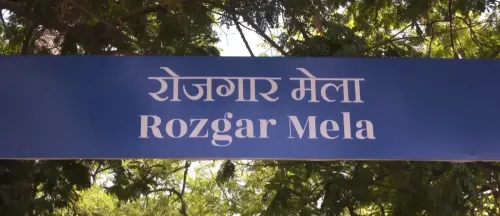
Prime Minister Narendra Modi distributed over 51,000 appointment letters at the 19th Rozgar Mela on 23 May 2026. Union Minister Nitin Gadkari highlighted the event on X, underscoring the government's continued push to fill central government vacancies through its flagship mass-recruitment programme launched in October 2022.
Key Takeaways
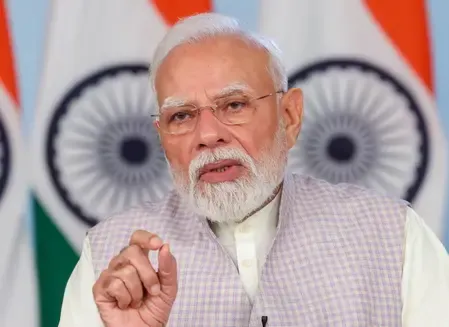
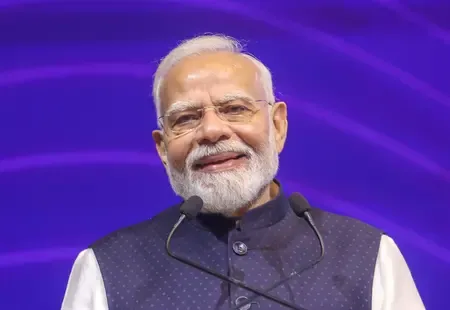
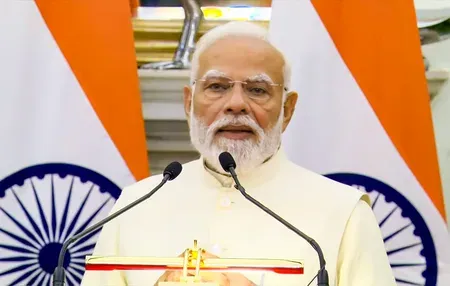
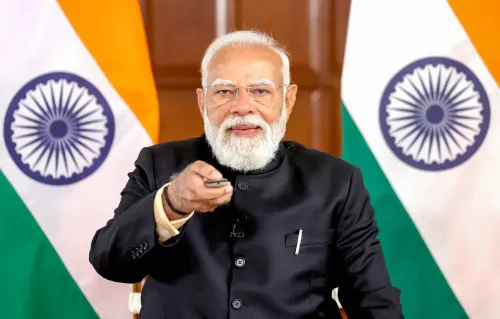
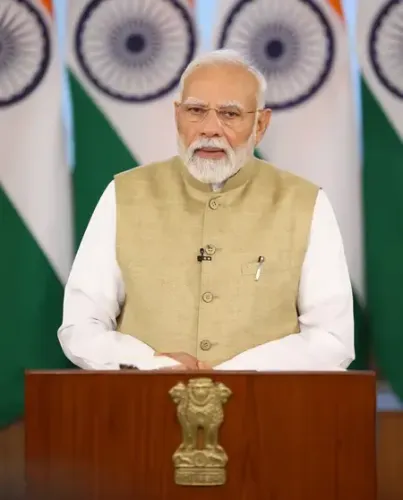
PM Narendra Modi personally distributed over 51,000 appointment letters at the 19th Rozgar Mela on 23 May 2026 .
Union Minister Nitin Gadkari shared the development on X, amplifying the government's employment messaging.
The Rozgar Mela programme was launched in October 2022 to accelerate filling of central government vacancies in mission mode.
Recruits span sectors including railways, defence civilians , and multiple central ministries.
Events are conducted in hybrid format, with simultaneous ceremonies at district and state levels across India.
The 20th Rozgar Mela and parliamentary scrutiny of cumulative vacancy fill rates are the next milestones to watch.
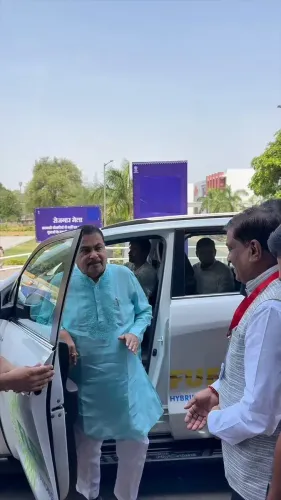
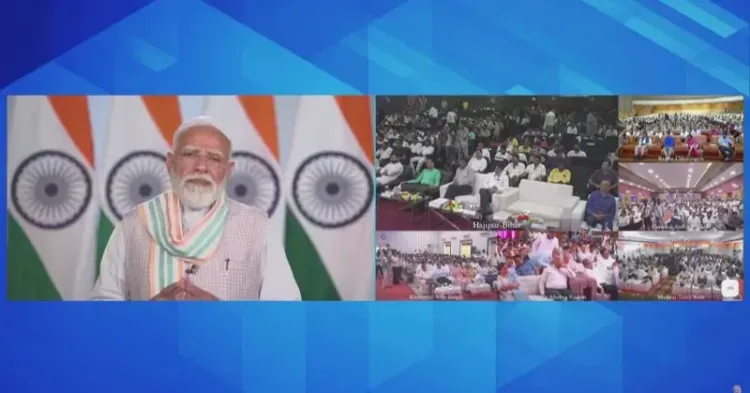
Union Road Transport and Highways Minister Nitin Gadkari on Saturday, 23 May 2026, highlighted that Prime Minister Narendra Modi personally distributed over 51,000 appointment letters to newly recruited central government employees at the 19th Rozgar Mela, continuing the government's mission-mode push to fill public-sector vacancies.
Context
The Rozgar Mela is a Central government initiative under which the Prime Minister directly hands appointment letters to recruits drawn from ministries and public-sector organisations across India. The programme was conceived to make government hiring visible, swift, and celebratory — placing the act of joining service at the centre of a nationally televised event. Gadkari's post on X drew attention to the scale of the 19th edition, noting that more than 51,000 letters changed hands in a single event.
The initiative is part of a broader commitment to reduce the backlog of unfilled central government posts, a concern that has been raised repeatedly in parliamentary sessions. By conducting these melas in a centralised format, the government aims to demonstrate tangible employment outcomes to a young, job-seeking electorate.
Policy Backdrop
The Rozgar Mela programme was launched in October 2022 and has since become a recurring feature of the government's employment narrative. Successive editions have collectively issued millions of appointment letters spanning sectors such as railways, defence civilians, home ministry units, and various central ministries. The events are integrated with the National Career Service portal and run alongside apprenticeship schemes to present a composite picture of government intervention in the labour market.
Each edition is typically conducted in hybrid mode — the Prime Minister addresses recruits at a central venue while simultaneous ceremonies are held at district and state-level locations, allowing candidates from across the country to participate without travelling to New Delhi. This decentralised delivery model has been cited as a key feature distinguishing Rozgar Melas from earlier, more bureaucratic appointment processes.
Stakeholders and Impact
The primary beneficiaries are young job seekers who cleared central government recruitment examinations conducted by bodies such as the Staff Selection Commission and Union Public Service Commission. For many recruits, the mela represents the formal entry point into permanent government employment — a category still considered highly desirable in India for its job security and benefits.
Central ministries and departments gain filled vacancies that ease operational pressures, while the event also serves as a political signal to the broader electorate that the government is actively converting examination results into actual jobs rather than letting candidates wait indefinitely for posting orders.
What's Next
With the 19th Rozgar Mela now concluded, attention will turn to the announcement of the 20th edition and whether cumulative appointment figures will be placed before Parliament. Opposition benches have previously sought data on the ratio of letters distributed to total sanctioned vacancies, making transparency around fill rates a continuing point of scrutiny. The government's ability to sustain the pace of these events will be watched as a barometer of its employment-generation commitments ahead of state election cycles.
Point of View
Televised appointment ceremonies that serve both administrative and political functions. By having the Prime Minister personally preside over letter distribution, the ruling party frames public-sector hiring as a direct executive priority rather than a routine bureaucratic process. Gadkari's amplification of the event on X signals coordinated cabinet-level messaging around employment, a theme that carries particular weight as state election calendars fill up. The durability of this programme will ultimately be tested by independent data on how many of the distributed letters translate into recruits actually reporting for duty.
NationPress
25 Sept 2026
Frequently Asked Questions
What is the Rozgar Mela and who conducts it?
The Rozgar Mela is a Central government programme launched in October 2022 under which Prime Minister Narendra Modi personally distributes appointment letters to newly recruited central government employees at large-scale events held simultaneously across India.
How many appointment letters were distributed at the 19th Rozgar Mela?
Over 51,000 appointment letters were distributed at the 19th Rozgar Mela, as stated in the post shared by Union Minister Nitin Gadkari on 23 May 2026.
Which sectors benefit from Rozgar Mela appointments?
Recruits come from a range of central government sectors including railways, defence civilian posts, the home ministry, and various other central ministries and public-sector organisations.
What is the significance of Nitin Gadkari posting about the Rozgar Mela?
Gadkari's post reflects coordinated cabinet-level communication around the government's employment drive, amplifying the Prime Minister's event to a wider audience through social media.
When did the Rozgar Mela programme start?
The Rozgar Mela programme was launched in October 2022 as a mission-mode initiative to fill central government vacancies and reduce the backlog of pending appointments across ministries.