Hazira embodies Atmanirbhar Bharat: Modi highlights Gujarat connectivity push
Synopsis
Modi's Hazira visit wasn't a routine stop — it was a deliberate showcase. By framing a single industrial cluster as proof of Atmanirbhar Bharat's real-world impact, and tying it to bullet trains, freight corridors, and tribal road projects in the same breath, the Prime Minister is building a Gujarat-as-template argument for India's development model.
Key Takeaways
PM Modi visited Hazira on 5 June before a public programme in Surat , calling it a symbol of Atmanirbhar Bharat .
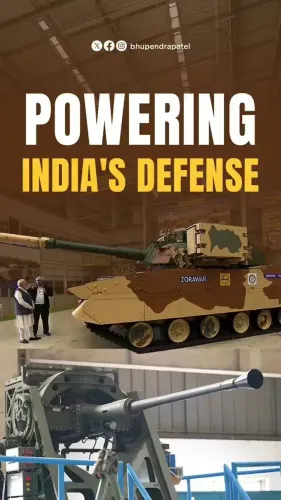
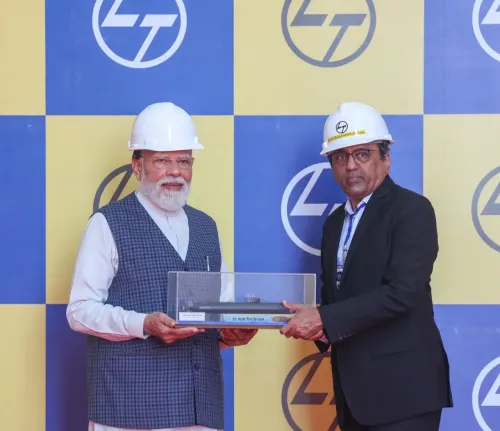
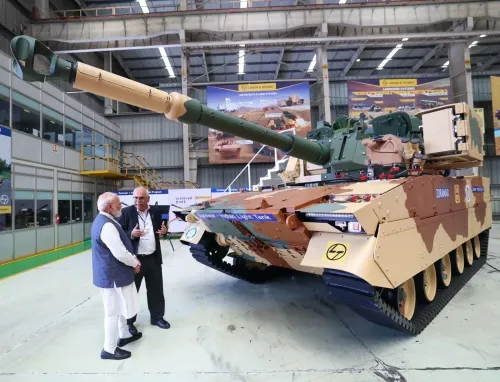
He described Hazira as an integrated ecosystem combining energy, steel, defence production, ports, and global trade .
Modi cited the Vadodara-Mumbai Expressway , Dedicated Freight Corridor , and Mumbai-Ahmedabad Bullet Train as key connectivity pillars.
The Dahod-Bodeli-Vapi corridor and new roads in tribal districts Narmada and Tapi were highlighted for improving last-mile access.
Modi pushed back against critics of the self-reliance campaign, arguing dependence on others limits a nation's development potential.
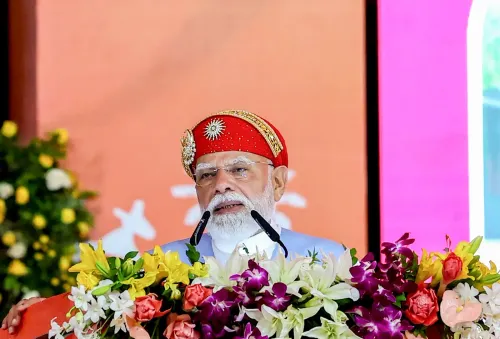
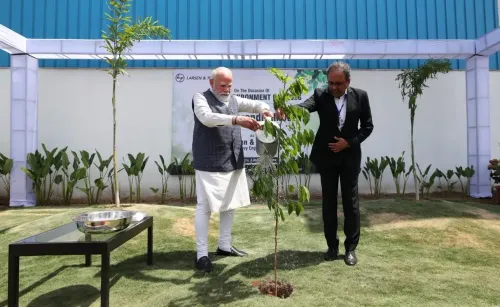
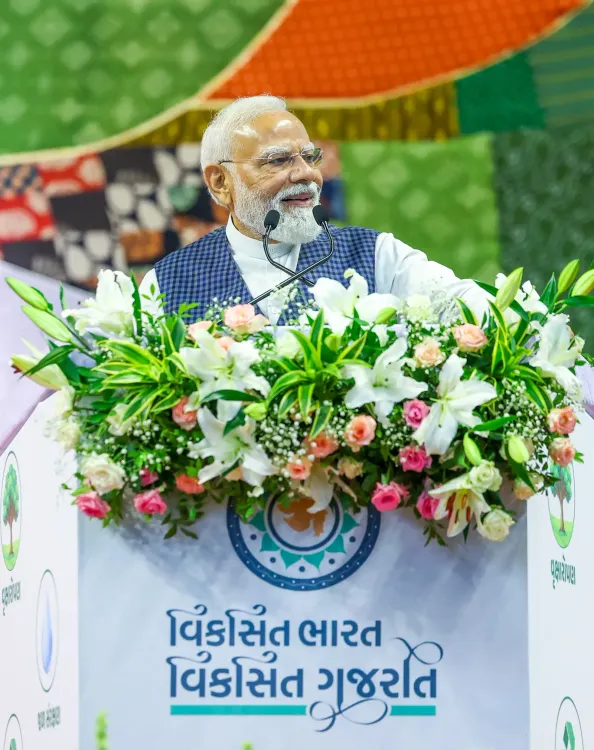
Prime Minister Narendra Modi on Friday, 5 June hailed Hazira as a living embodiment of India's self-reliance drive, describing the Surat-based industrial hub as an integrated ecosystem where energy, steel, defence production, ports, and global trade converge. His remarks came after a visit to Hazira ahead of a public programme in Surat, and underscored the Centre's push to position Gujarat as a flagship of the Atmanirbhar Bharat agenda.
Hazira as an Integrated Industrial Ecosystem
'One can clearly understand the meaning of Atmanirbhar Bharat by visiting Hazira. Hazira today is not merely an industrial area. It has become an ecosystem where energy, steel, defence production, ports, and global trade all coexist,' Modi said. He described the region as one of India's most significant emerging maritime industrial centres, with a strategic role in deepening domestic manufacturing capabilities.
Rebuttal to Critics of Atmanirbhar Bharat
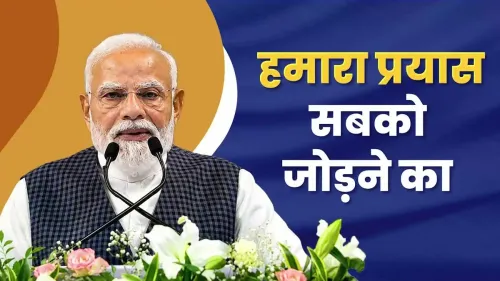
Modi directly addressed sceptics of the self-reliance campaign, arguing that domestic capability-building is not a retreat into isolation. 'There are some pessimistic people in the country who continue to mock the Atmanirbhar Bharat campaign. They forget that a country dependent on others can never achieve the heights of development it deserves,' he said. The remarks signal a continued effort by the government to frame economic nationalism as a prerequisite for global competitiveness.
Connectivity Projects Driving the Push
The Prime Minister linked Hazira's industrial momentum to a broader infrastructure build-out across Gujarat and western India. He cited the Vadodara-Mumbai Expressway, the Dedicated Freight Corridor, and the Mumbai-Ahmedabad Bullet Train project as pillars of the government's connectivity agenda. Modi argued that modern logistics infrastructure is now penetrating regions historically left outside major economic networks.
Tribal Districts and Last-Mile Access
Modi specifically highlighted the Dahod-Bodeli-Vapi corridor and new road projects linking tribal districts including Narmada and Tapi, saying they 'would reduce travel times, lower transport costs and improve access to education, healthcare and employment opportunities.' He also noted that improved connectivity would boost tourism to destinations such as the Statue of Unity, Saputara, and other attractions across South Gujarat.
Broader Vision: Industry, Infrastructure, and Social Progress
Modi argued that industrial expansion, infrastructure development, and social service delivery must advance in tandem for India to realise its Viksit Bharat ambitions. He said the combination of hubs like Hazira and expanding connectivity networks represents a deliberate strategy to generate opportunity across both urban and rural India while reinforcing the country's economic resilience. This comes amid continued investment in industrial infrastructure and logistics networks across Gujarat, with multiple freight and port-linked projects at various stages of execution.
Point of View
From the Dedicated Freight Corridor to tribal road corridors, are translating into measurable gains for the districts they claim to serve. Linking infrastructure announcements to tourism uplift and tribal employment outcomes in the same speech risks blurring the distinction between aspiration and delivery. The Atmanirbhar Bharat brand needs verifiable outcome data, not just landmark visits, to outlast the electoral cycle.
NationPress
19 Sept 2026
Frequently Asked Questions
What did PM Modi say about Hazira during his Surat visit?
PM Modi described Hazira as a symbol of India's Atmanirbhar Bharat drive, calling it an integrated ecosystem where energy, steel, defence production, ports, and global trade coexist. He made the remarks on 5 June after visiting the industrial hub before a public programme in Surat.
What is the Atmanirbhar Bharat initiative?
Atmanirbhar Bharat, meaning 'self-reliant India', is the Centre's policy framework to build domestic capabilities in strategic sectors such as defence, electronics, energy, and manufacturing. Modi has consistently argued it is about competitiveness, not isolation from global trade.
Which connectivity projects did PM Modi highlight in Gujarat?
Modi cited the Vadodara-Mumbai Expressway, the Dedicated Freight Corridor, and the Mumbai-Ahmedabad Bullet Train as flagship projects. He also highlighted the Dahod-Bodeli-Vapi corridor and new roads connecting tribal districts Narmada and Tapi.
How does improved connectivity benefit tribal districts in Gujarat?
According to Modi, the new road projects in districts such as Narmada and Tapi will reduce travel times, lower transport costs, and improve access to education, healthcare, and employment. Enhanced connectivity is also expected to boost tourism to sites like the Statue of Unity and Saputara.
Why did Modi respond to critics of Atmanirbhar Bharat?
Modi addressed sceptics directly, arguing that nations dependent on others cannot reach their full development potential. He characterised critics as 'pessimistic' and maintained that building domestic capabilities in strategic sectors is essential for India's long-term growth.