PM Modi Visits L&T Hazira Complex, Lauds Defence Self-Reliance
Synopsis
Prime Minister Narendra Modi visited Larsen & Toubro's Hazira complex on June 5, 2026, commending the firm's defence innovations. The visit underscores India's decade-long push to reduce import dependence and hit a Rs 3 lakh crore domestic defence production target by 2028-29.
Key Takeaways
PM Modi visited the L&T complex at Hazira , Gujarat, on June 5, 2026 , and witnessed innovations across sectors.
He specifically commended L&T 's role in advancing self-reliance in the defence sector .
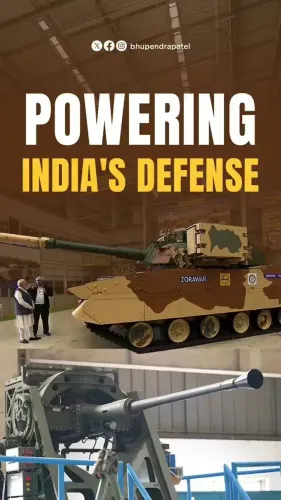
L&T's Hazira facility produces critical defence platforms including artillery systems and naval components.
India's Positive Indigenisation Lists ban imports of 411 defence items , mandating domestic production by private firms.
The government targets annual defence production of Rs 3 lakh crore by 2028-29 under the Atmanirbhar Bharat framework.
The visit signals continued policy support for private-sector participation in India's defence industrial base.
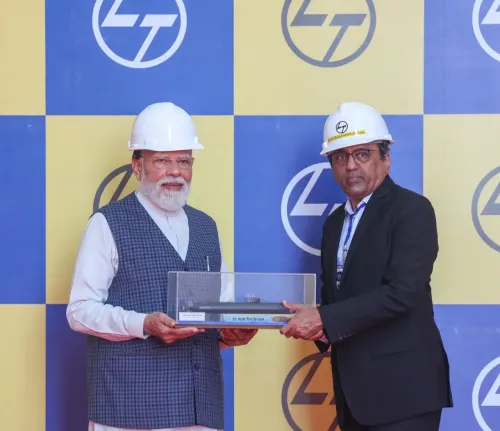
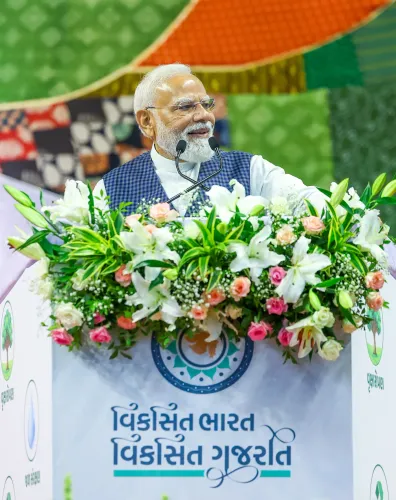
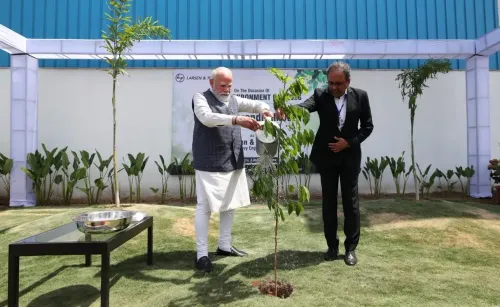
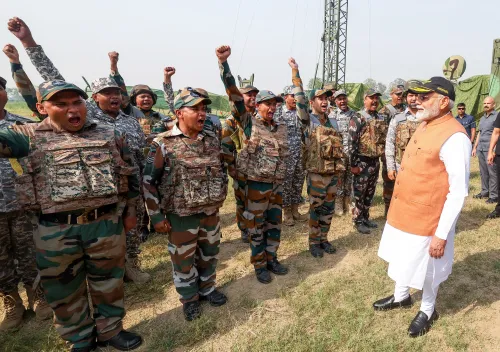
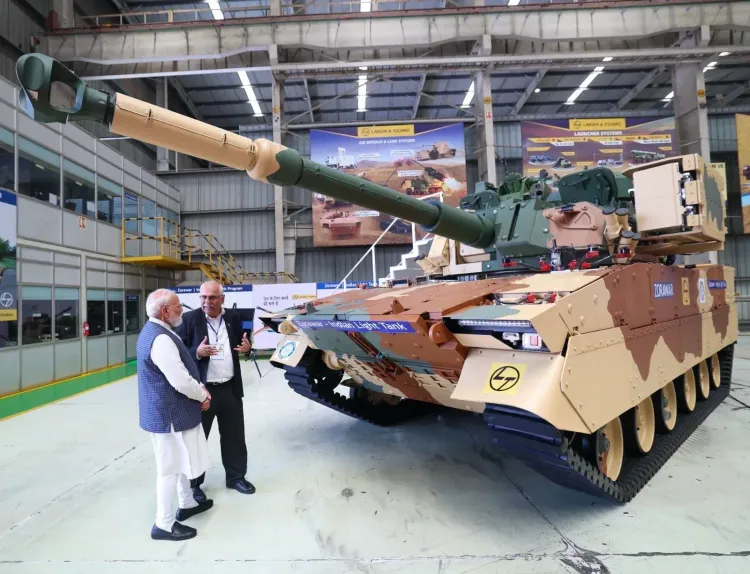
Prime Minister Narendra Modi on Friday, June 5, 2026, visited the Larsen & Toubro (L&T) complex at Hazira, near Surat, Gujarat, where he witnessed a range of pioneering innovations across sectors, with particular focus on the conglomerate's contributions to India's defence manufacturing ambitions.
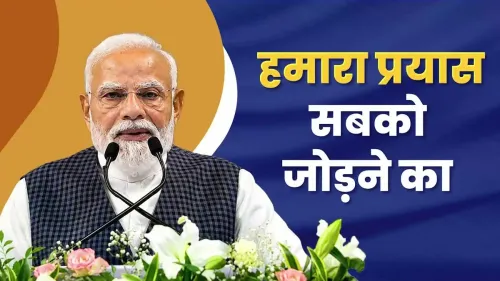
Sharing the visit on X, PM Modi wrote: 'This afternoon, went to the L&T complex at Hazira. Witnessed some of their pioneering innovations across different sectors. The role played by L&T in furthering self-reliance in the defence sector is commendable.'
Context
The Hazira industrial complex is one of L&T's most strategically significant facilities, housing heavy engineering units and dedicated defence manufacturing infrastructure. The complex produces a range of critical platforms including artillery systems, naval components, and aerospace structures. A prime ministerial visit to a private-sector defence facility of this scale is a notable signal of policy endorsement.
L&T has emerged as one of the few Indian private firms capable of manufacturing complex defence platforms — from K9 Vajra howitzers to submarine hull sections — placing it at the centre of India's push to reduce import dependence that historically exceeded 60 per cent of total defence procurement.
Policy Backdrop
The visit sits squarely within the government's decade-long effort to build a robust domestic defence industrial base. The Make in India initiative, launched in September 2014, explicitly included defence manufacturing as a priority vertical. Subsequent revisions to the Defence Procurement Procedure have consistently privileged the Buy (Indian-IDDM) category, opening space for private firms such as L&T.
Between 2020 and 2022, the government notified Positive Indigenisation Lists banning imports of 411 defence items, mandating domestic production. The FDI ceiling in defence was simultaneously raised to 74 per cent under the automatic route to attract private capital. These measures collectively form the scaffolding of the Atmanirbhar Bharat defence framework, which targets annual defence production of Rs 3 lakh crore by 2028-29.
Stakeholders and Impact
For L&T, a prime ministerial visit reinforces its position as the private sector's foremost defence partner, likely strengthening its case in ongoing and upcoming capital acquisition proposals. The broader private defence ecosystem — comprising tier-2 and tier-3 suppliers clustered around large integrators — also benefits from the visibility such visits generate for investor and policy attention.
The Indian Armed Forces stand to gain from accelerated indigenisation: domestic production reduces foreign-exchange outflows, shortens supply chains, and insulates procurement from geopolitical disruptions — a concern that has grown sharper amid shifting global alliances and export-control regimes.
What's Next
Attention now turns to the Defence Ministry's next Negative Importation List and the capital acquisition proposals expected in the 2026-27 Union Budget, both of which could include platforms manufactured at facilities like Hazira. Any new contracts or indigenisation milestones announced in the weeks following this visit will be closely watched as a measure of whether prime ministerial endorsement translates into accelerated procurement decisions.
With India's defence export target also set ambitiously, L&T's Hazira complex may increasingly serve not just domestic armed forces but also partner nations seeking Indian-made platforms — extending the strategic dividend of self-reliance well beyond the country's borders.
Point of View
Not supplementary, to India's defence production ambitions. It reinforces a decade-long policy arc that has systematically dismantled barriers to private participation through indigenisation lists, revised procurement procedures, and higher FDI ceilings. The timing, ahead of anticipated budget allocations for 2026-27, may also serve to publicly anchor expectations around domestic procurement. For L&T and its peers, such visibility translates into investor confidence and competitive advantage in a defence acquisition pipeline that is only growing larger.
NationPress
20 Oct 2026
Frequently Asked Questions
Why did PM Modi visit the L&T Hazira complex?
PM Modi visited the L&T Hazira complex on June 5, 2026, to witness the company's innovations across sectors, with a specific focus on its contributions to India's defence self-reliance under the Atmanirbhar Bharat framework.
What does L&T manufacture at Hazira for defence?
L&T's Hazira complex houses heavy engineering and strategic defence manufacturing units that produce artillery systems such as the K9 Vajra howitzer, naval platform components, and aerospace structures for the Indian Armed Forces.
What is India's defence production target?
India has set an ambitious target of achieving annual defence production worth Rs 3 lakh crore by 2028-29, with private firms like L&T playing a key role alongside public-sector defence undertakings.
What is the Positive Indigenisation List in Indian defence?
The Positive Indigenisation List, notified between 2020 and 2022, bans the import of 411 defence items and mandates their domestic production, pushing both public and private Indian manufacturers to develop these capabilities in-house.
How has India increased private sector participation in defence?
India has raised the FDI limit in defence to 74 per cent under the automatic route, revised procurement procedures to prioritise Indian-made equipment, and notified indigenisation lists — collectively creating a policy environment that has drawn major private players like L&T into complex defence manufacturing.