PM Modi Holds Extensive Talks with President Putin on India-Russia Ties
Synopsis
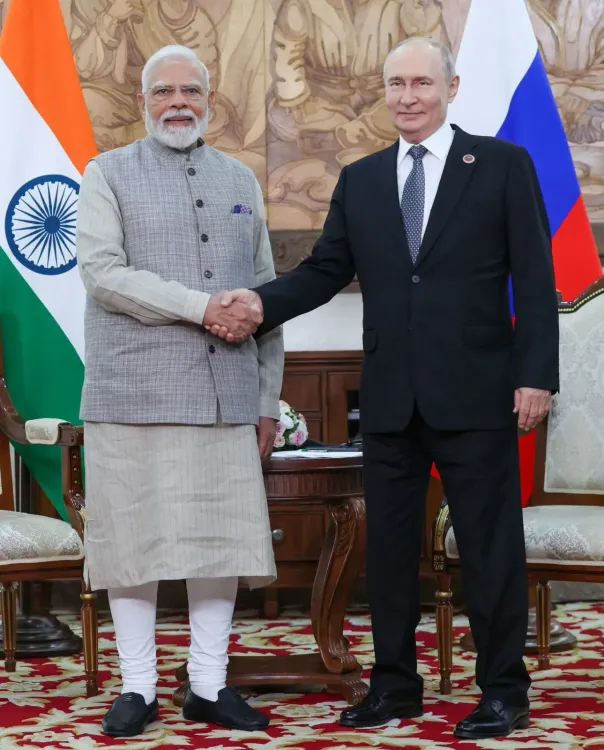
Prime Minister Narendra Modi announced extensive discussions with Russian President Vladimir Putin on August 31, 2026, reaffirming the India-Russia Special and Privileged Strategic Partnership and citing significant bilateral progress across defence, energy, and nuclear cooperation sectors.
Key Takeaways
Prime Minister Narendra Modi held extensive talks with President Vladimir Putin on August 31, 2026 .
The discussions covered the full range of the India-Russia Special and Privileged Strategic Partnership , a framework adopted in 2010 .
Modi cited 'significant progress across various sectors in recent years,' signalling the partnership's continued momentum despite post- 2022 Western sanctions on Russia.
The partnership spans defence (including the S-400 Triumf agreement of 2018 ), energy, nuclear cooperation, and space.
India has sustained and deepened energy ties with Russia, sharply increasing discounted crude oil purchases in recent years.
Analysts will watch for new defence or nuclear energy agreements and the agenda of the next formal annual summit.
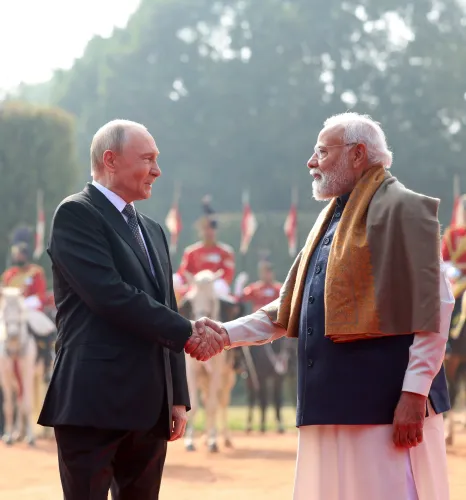
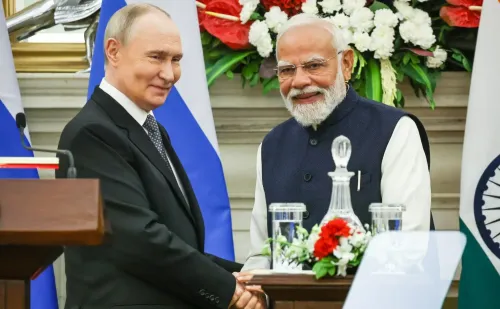
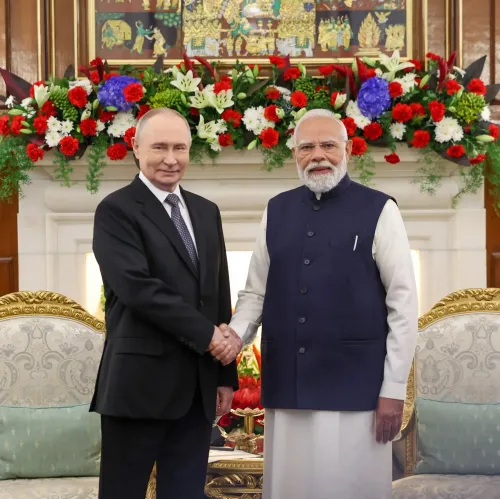
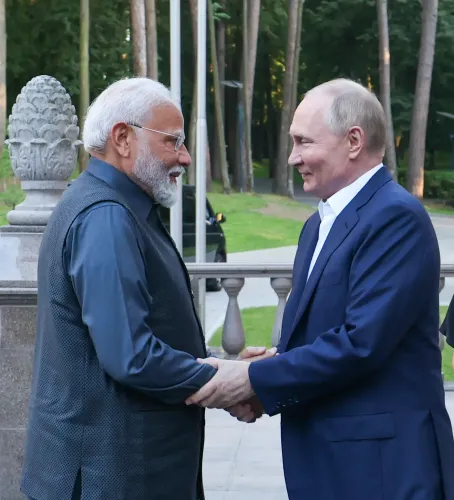
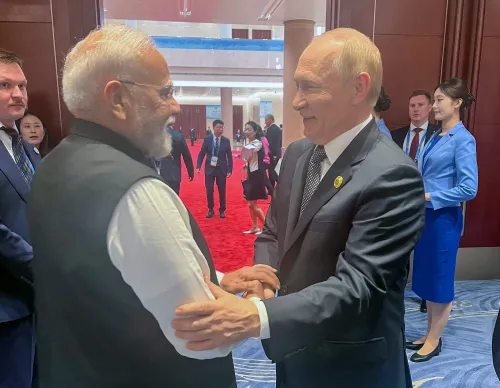
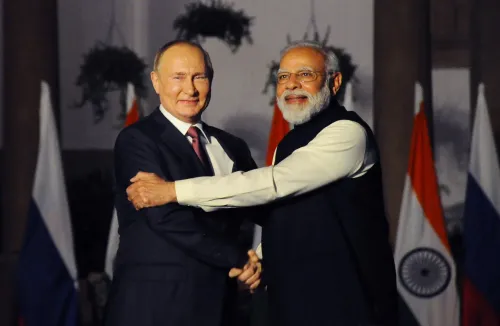
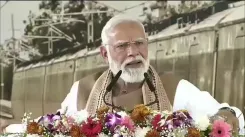
A high-stakes conversation between two of the world's most consequential leaders has put the India-Russia Special and Privileged Strategic Partnership back at the centre of global attention. Prime Minister Narendra Modi on Monday, August 31, 2026, announced he had held extensive discussions with Russian President Vladimir Putin, describing notable progress across multiple sectors of the bilateral relationship.
What the 'Special and Privileged' Label Actually Means
The phrase 'Special and Privileged Strategic Partnership' is not diplomatic boilerplate — it carries precise weight. The framework was formally adopted in 2010 during a meeting between then-Prime Minister Manmohan Singh and President Dmitry Medvedev, placing India-Russia ties in a category above ordinary strategic partnerships. It spans defence, energy, nuclear cooperation, and space — sectors where the two countries have built decades of institutional interdependence.
The architecture of that relationship is substantial. The landmark S-400 Triumf missile system agreement, signed in 2018, remains one of the largest defence deals in India's history. Annual summits between the two countries have been a fixture since 2000, making the bilateral cadence one of the most consistent in Indian foreign policy.
The Tightrope India Has Walked Since 2022
The post-2022 global environment made sustaining this partnership considerably more complex. Western sanctions on Russia created pressure on countries maintaining close ties with Moscow. India chose to hold its ground — sharply increasing purchases of discounted Russian crude oil, maintaining defence supply chains, and continuing engagement through multilateral forums including BRICS and the SCO.
That posture has drawn scrutiny from Western capitals but has also demonstrated New Delhi's consistent doctrine of 'strategic autonomy' — the insistence on calibrating relationships by national interest rather than bloc loyalty. Modi's reference to 'significant progress across various sectors in recent years' signals that this balancing act has, from India's perspective, delivered tangible results.
What Comes Next from the Putin-Modi Conversation
The Prime Minister noted that 'focus areas for the India-Russia friendship remain' — a formulation that points to continuity rather than reset. The areas most closely watched by analysts are any new agreements in nuclear energy (Russia's Rosatom is a key partner in India's civil nuclear programme), fresh defence procurement discussions, and the shape of the next formal annual summit agenda.
With trade volumes between the two countries having risen sharply in recent years — driven heavily by energy — the economic underpinning of the partnership is stronger than at perhaps any point in its post-Cold War history. The diplomatic question is whether that economic momentum translates into new institutional agreements.
India has never treated its relationship with Russia as a liability to manage — it treats it as an asset to leverage. Monday's conversation is the latest signal that New Delhi intends to keep it that way.
Point of View
Framing the conversation around 'significant progress' is a political signal at home as much as a diplomatic one abroad: that India's refusal to join Western sanctions has yielded measurable returns. The reference to 'focus areas' remaining intact suggests no fundamental restructuring of the partnership is on the table. The longer arc to watch is whether India can continue extracting economic and strategic value from Moscow while simultaneously deepening its partnerships with Washington and Brussels — a balancing act that defines the central tension of Indian foreign policy in the current decade.
NationPress
16 Oct 2026
Frequently Asked Questions
What is the India-Russia Special and Privileged Strategic Partnership?
It is a bilateral framework adopted in 2010 during a meeting between Prime Minister Manmohan Singh and President Dmitry Medvedev, covering defence, energy, nuclear, and space cooperation between India and Russia.
What did PM Modi and President Putin discuss on August 31, 2026?
Prime Minister Modi announced they held extensive discussions covering the full range of the India-Russia Special and Privileged Strategic Partnership, with Modi noting significant progress across various sectors in recent years.
How have India-Russia ties been affected by Western sanctions on Russia?
India maintained and deepened its ties with Russia after 2022 Western sanctions, sharply increasing purchases of discounted Russian crude oil and sustaining defence supply chains while pursuing its doctrine of strategic autonomy.
What is the S-400 deal between India and Russia?
The S-400 Triumf missile system agreement, signed in 2018, is one of the largest defence procurement deals in India's history and a key pillar of the India-Russia defence partnership.
How often do India and Russia hold bilateral summits?
India and Russia have conducted annual bilateral summits since 2000, making it one of the most consistent summit formats in Indian foreign policy.