PM Modi's Navratri greetings invoke Maa Mahagauri on Ashtami-Navami
Synopsis
On the auspicious days of Ashtami and Navami, PM Modi took to X to invoke Goddess Mahagauri's blessings and share a Sanskrit verse dedicated to Goddess Durga — while millions of devotees thronged temples in Varanasi and New Delhi on the final days of Shardiya Navratri 2026.
Key Takeaways
PM Modi extended Navratri greetings on 19 October 2026 , invoking the blessings of Goddess Mahagauri via a post on X.
The Prime Minister shared a Sanskrit verse honouring Goddess Durga and a link to the devotional bhajan 'Narayani Namastute' by Birendrakrishna Bhadra .
Ashtami Tithi began on 18 October and gave way to Navami Tithi on the morning of 19 October .
Large crowds gathered at the Maa Siddhidatri Devi Temple in Varanasi and the Jhandewalan Temple in New Delhi .
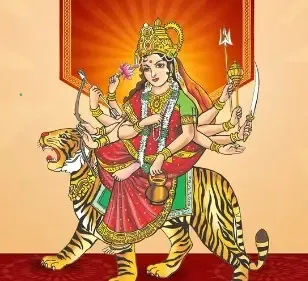
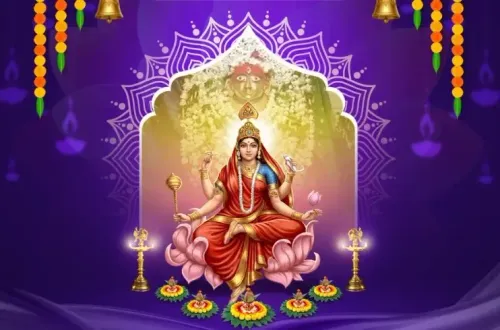
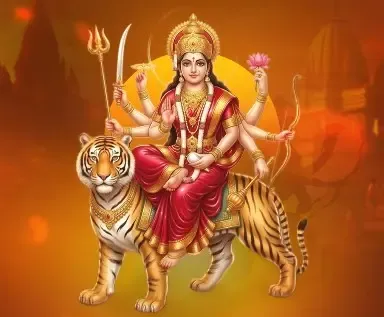
Goddess Mahagauri , the eighth form of Durga, is associated with purity, peace and compassion.
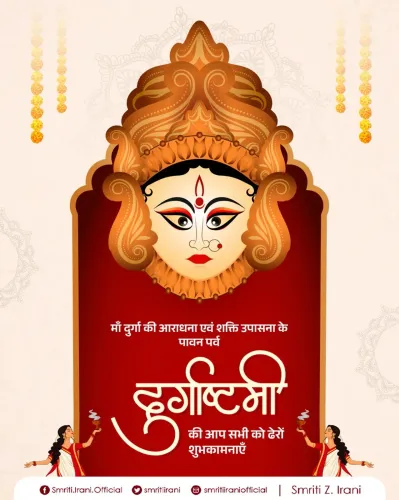
Prime Minister Narendra Modi on 19 October 2026 extended warm Navratri greetings to the nation, invoking the blessings of Goddess Mahagauri — the eighth form of Goddess Durga — and expressing heartfelt wishes for prosperity, fame and a bright future for all. The Prime Minister marked the auspicious occasion of Ashtami-Navami with a devotional message shared on social media platform X, alongside a Sanskrit verse and a link to a devotional bhajan.
PM Modi's Message and Post on X
In his post, the Prime Minister wrote: 'May the blessings of Mother Mahagauri, the goddess of sacrifice and penance, brighten everyone's future. May everyone attain fame and glory in life — this is our heartfelt wish.' He also shared a YouTube link to the devotional bhajan 'Narayani Namastute' by Birendrakrishna Bhadra, underscoring the spiritual and musical traditions associated with Navratri.
Alongside his personal message, Modi shared a Sanskrit verse honouring Goddess Durga: 'Those devotees who remember Goddess Durga with devotion surely experience progress and prosperity. O goddess, sovereign of the gods! You protect those who meditate upon you from all calamities — of this, there is absolutely no doubt.' The verse highlighted the protective power of the divine mother and the importance of faith during the nine-day festival.
Significance of Ashtami and Navami
According to the Hindu calendar, Ashtami Tithi commenced on 18 October and concluded on the morning of 19 October, when Navami Tithi began. Goddess Mahagauri, worshipped on the eighth day of Navratri, is traditionally associated with purity, peace and compassion. Devotees seek her blessings for happiness and well-being. The ninth day celebrates Goddess Siddhidatri, the final form of Goddess Durga in the Navratri cycle, marking the festival's conclusion.
Devotees Throng Temples Across the Country
Temples across India witnessed a steady influx of worshippers on the occasion, with devotional chants, the ringing of bells and special rituals marking the auspicious days. In Varanasi, Uttar Pradesh, large crowds gathered at the famous Maa Siddhidatri Devi Temple to offer prayers and participate in traditional ceremonies on the concluding day of the festival.
In the national capital, New Delhi, devotees flocked to the prominent Jhandewalan Temple on the ninth day of Shardiya Navratri to seek the goddess's blessings. The temple witnessed significant footfall as the nine-day festival progressed toward its close, with worshippers participating in religious rituals and communal prayer.
Navratri: A Pan-India Celebration
Shardiya Navratri is celebrated across the country with prayers, fasting, devotional singing and special rituals dedicated to the nine forms of Goddess Durga. The festival holds deep cultural and religious significance, drawing millions of devotees to temples and community pandals each year. This year's celebrations carried forward the tradition of mass participation, with prominent shrines reporting particularly high attendance on Ashtami and Navami.
Point of View
Rather than in the political significance of the message itself.
NationPress
19 Oct 2026
Frequently Asked Questions
What did PM Modi say on Navratri 2026?
PM Modi wished the nation on Navratri by invoking the blessings of Goddess Mahagauri and expressing hope for everyone's prosperity and fame. He posted the message on social media platform X on 19 October 2026, along with a Sanskrit verse dedicated to Goddess Durga.
Who is Goddess Mahagauri and why is she worshipped on Ashtami?
Goddess Mahagauri is the eighth of the nine forms of Goddess Durga venerated during Navratri. She is associated with purity, peace and compassion, and devotees seek her blessings for happiness and well-being on the eighth day of the festival.
When did Ashtami and Navami fall in Navratri 2026?
Ashtami Tithi began on 18 October and concluded on the morning of 19 October 2026, when Navami Tithi began. The transition marks the shift from the worship of Goddess Mahagauri to Goddess Siddhidatri, the ninth and final form of Durga.
Which temples saw large gatherings during Navratri 2026?
The Maa Siddhidatri Devi Temple in Varanasi, Uttar Pradesh, and the Jhandewalan Temple in New Delhi witnessed significant footfall on the concluding days of Shardiya Navratri 2026. Devotees thronged both shrines for traditional rituals and prayers.
What is the bhajan PM Modi shared on Navratri?
PM Modi shared a YouTube link to 'Narayani Namastute', a devotional bhajan by Birendrakrishna Bhadra, as part of his Navratri message. The bhajan highlights the spiritual and devotional traditions associated with the nine-day festival.