PM Modi Hails Public Support Amid West Asia Crisis
Synopsis
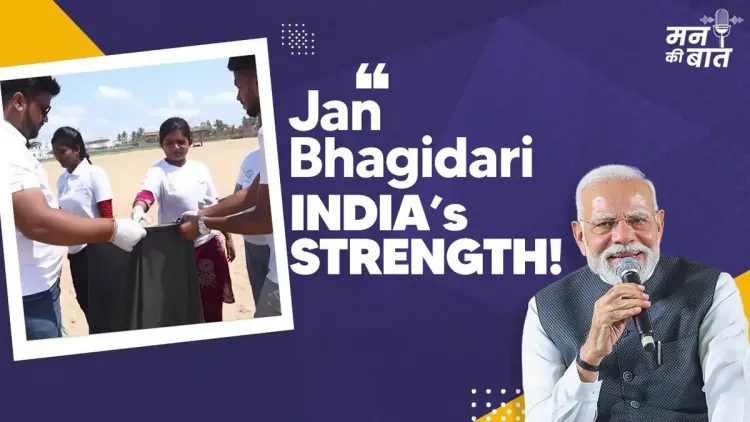
Prime Minister Narendra Modi on June 28, 2026, praised Indians for their wholehearted cooperation with his appeals regarding the West Asia crisis, calling public participation the nation's greatest strength in a post linked to his Mann Ki Baat programme.
Key Takeaways
PM Modi expressed satisfaction at public response to his appeals made in the context of the West Asia crisis .
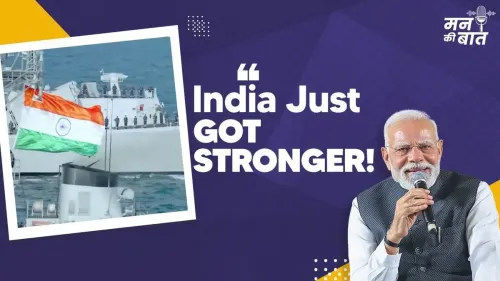
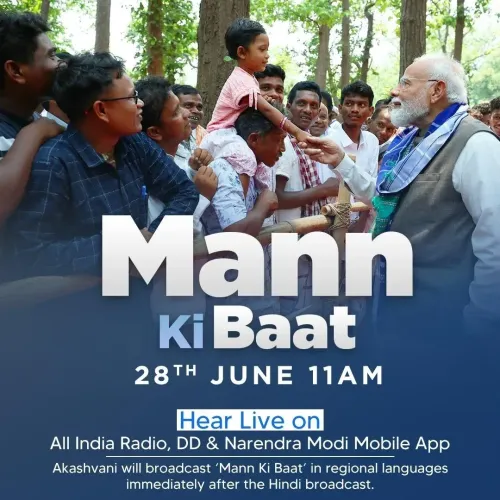
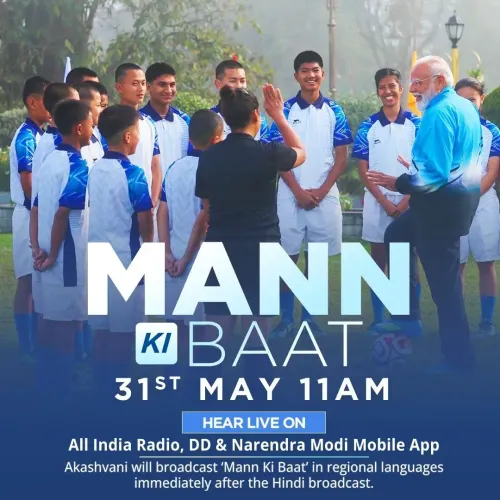
The post was shared under #MannKiBaat , his monthly radio address broadcast on the last Sunday of every month.
Modi described janabhagidari (public participation) as India's 'greatest capital' in navigating national and global challenges.
India has approximately 90 lakh citizens living and working across West Asia and the Gulf , making the regional crisis a direct domestic concern.
The statement reflects India's broader strategy of using mass communication to align public behaviour during external geopolitical crises.
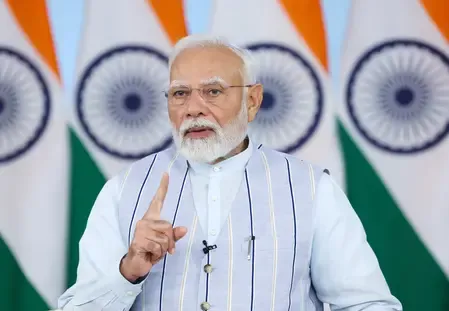
Prime Minister Narendra Modi, in a post on X on Sunday, June 28, 2026, expressed deep satisfaction at the overwhelming public response to his appeals for solidarity and cooperation in the context of the ongoing crisis in West Asia. Speaking through the lens of his monthly radio programme Mann Ki Baat, the Prime Minister said the strength of people's participation has once again proven to be India's greatest asset.
In his post, written in Hindi, Modi stated: 'हम भारतवासियों ने बार-बार साबित किया है कि जनभागीदारी की ताकत हमारी बहुत बड़ी पूंजी है' ('We Indians have proved time and again that the power of public participation is our greatest capital'). He added that the appeals he had made in view of the West Asia crisis had been met not just with open-hearted support but with active cooperation from the people.
Context
The post is tagged under #MannKiBaat, Modi's long-running monthly radio address that has served as a direct communication channel between the Prime Minister and ordinary citizens since 2014. The programme is broadcast on the last Sunday of every month and typically draws tens of millions of listeners across India. This post appears to be a reflection shared around or following such an episode.
The reference to the West Asia crisis points to ongoing geopolitical tensions in the region, which have had implications for India's diaspora, energy imports, and trade routes. India has a large community of workers and professionals stationed across Gulf and West Asian nations, making the situation a matter of direct domestic concern.
Policy Backdrop
India has historically maintained a policy of strategic autonomy in West Asian affairs, engaging diplomatically with multiple stakeholders while prioritising the safety of its diaspora and the stability of oil supplies. Modi has, over the years, deepened bilateral ties with several West Asian nations, including the United Arab Emirates, Saudi Arabia, and Israel, as well as maintained channels with Iran and Jordan.
During periods of regional escalation, the Indian government has typically issued travel advisories, activated evacuation protocols, and urged citizens to exercise caution. The Prime Minister's reference to specific 'appeals' (aagrah) he had made suggests that such guidance was issued publicly and that the public response has been cooperative and disciplined.
Stakeholders and Impact
India has an estimated 90 lakh citizens living and working across West Asia and the Gulf region, making it one of the largest diaspora communities in the world. Remittances from this region constitute a significant share of India's annual inward remittance flows, which have consistently ranked among the highest globally.
Any crisis in the region therefore carries both a humanitarian and an economic dimension for India. The Prime Minister's acknowledgement of public cooperation suggests that citizens — including those in the affected region and their families back home — have responded calmly and in alignment with government guidance, reducing the risk of panic or misinformation spreading.
What's Next
The Prime Minister's statement signals that the government will continue to engage with the public on the West Asia situation through platforms like Mann Ki Baat, reinforcing its approach of using mass communication to manage public sentiment during external crises. As the situation in the region evolves, further advisories, diplomatic outreach, or evacuation measures may follow depending on ground realities. The emphasis on janabhagidari (public participation) also underscores the government's broader governance philosophy of citizen co-ownership in national responses to global challenges.
Point of View
The Prime Minister reinforces a governance narrative that has been central to his political brand since 2014: that policy success is co-authored by the people. The timing, on a Sunday morning through a mass-reach platform, also suggests the government is actively managing the information environment around a sensitive geopolitical situation. Whether the 'appeals' referenced translate into formal policy action — evacuation operations, diplomatic démarches, or energy contingency measures — will be the real test of the government's West Asia posture.
NationPress
26 Sept 2026
Frequently Asked Questions
What did PM Modi say about the West Asia crisis on Mann Ki Baat?
PM Modi said he was deeply pleased that the public had not only supported his appeals regarding the West Asia crisis with open hearts but was also actively cooperating. He called public participation India's greatest strength.
What is Mann Ki Baat?
Mann Ki Baat is Prime Minister Narendra Modi's monthly radio address to the nation, broadcast on the last Sunday of every month since October 2014. It covers social, cultural, and governance themes and reaches tens of millions of listeners.
How many Indians live in West Asia and the Gulf?
Approximately 90 lakh (9 million) Indian citizens live and work across West Asia and the Gulf region, making it one of the largest Indian diaspora communities in the world and a major source of remittances to India.
What appeals did Modi make regarding the West Asia crisis?
While the specific content of his appeals was not detailed in this post, Modi indicated he had made public requests — likely related to caution, cooperation with government advisories, and solidarity — in response to the ongoing West Asia crisis.
What is India's policy on the West Asia conflict?
India follows a policy of strategic autonomy in West Asian affairs, maintaining diplomatic ties with multiple parties in the region while prioritising the safety of its large diaspora, the stability of oil imports, and the security of key trade routes.