CM Samrat Choudhary Hails Modi's Mysuru Cultural Centre Launch
Synopsis
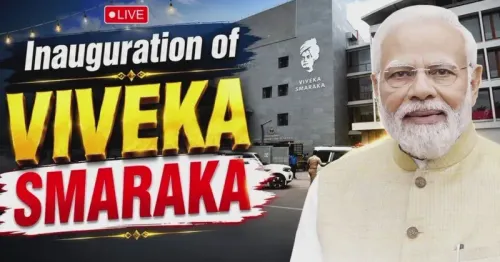
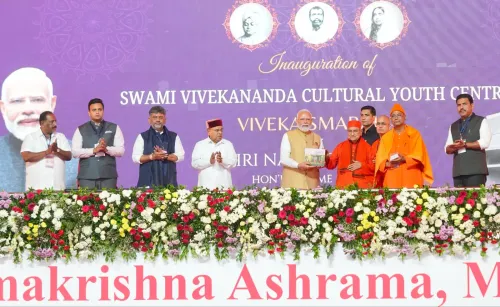
Bihar Chief Minister Samrat Choudhary live-streamed PM Narendra Modi's inauguration of the Swami Vivekananda Cultural Youth Centre — Vivek Smarak — in Mysuru on August 1, 2026, reflecting the BJP's sustained pattern of cultural commemorations tied to Vivekananda's legacy.
Key Takeaways
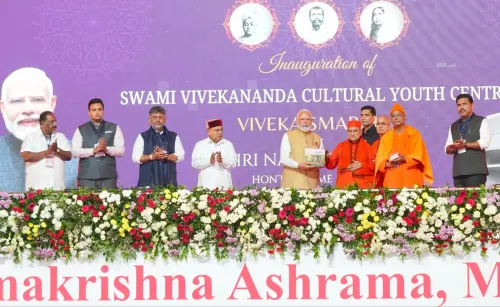
PM Narendra Modi inaugurated the Swami Vivekananda Cultural Youth Centre (Vivek Smarak) in Mysuru on August 1, 2026 .
Bihar Chief Minister Samrat Choudhary broadcast the event live on X, calling Modi 'the nation's illustrious and honourable Prime Minister.' The inauguration continues a decades-long pattern of Vivekananda-linked cultural monuments, traceable to the Vivekananda Rock Memorial inaugurated at Kanyakumari in 1970 .
Mysuru , Karnataka's historic city, was chosen as the site, reinforcing the cultural and spiritual significance of the location.
State BJP leaders amplifying such central events signals coordinated cultural messaging ahead of ongoing political cycles.
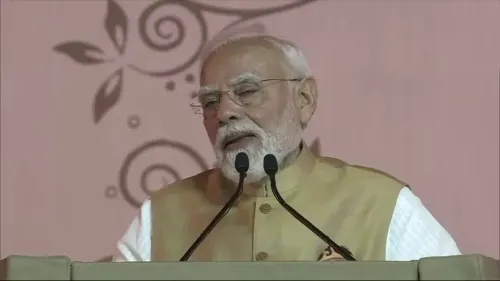
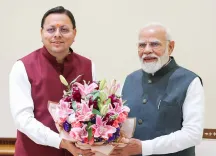
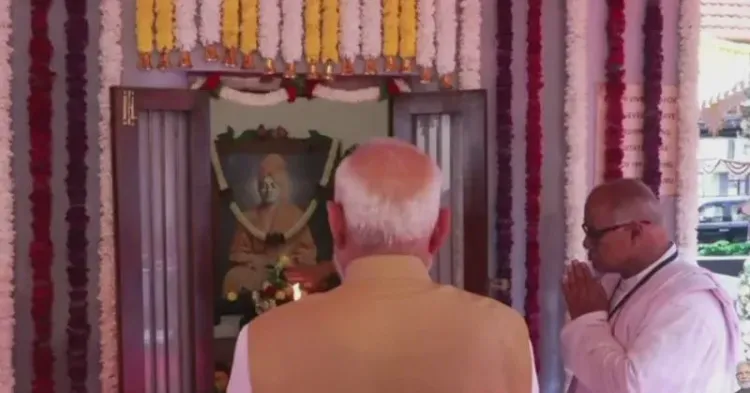
A cultural landmark rooted in the philosophy of Swami Vivekananda took shape in Mysuru on Saturday, August 1, 2026, as Prime Minister Narendra Modi inaugurated the Swami Vivekananda Cultural Youth Centre — Vivek Smarak. Bihar Chief Minister Samrat Choudhary, a senior BJP leader, broadcast the moment live, calling the Prime Minister 'the nation's illustrious and honourable' leader.
A Smarak Born from a Century-Old Ideal
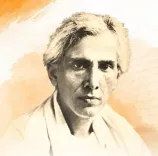
Swami Vivekananda's vision of youth as the engine of national awakening has animated Indian cultural policy for decades. The Vivekananda Rock Memorial at Kanyakumari, inaugurated in 1970, set the template: a physical monument anchoring a living philosophy. The Mysuru centre follows that lineage, positioning itself as a space where young Indians can engage with Vivekananda's ideas on self-reliance, service, and cultural identity.
Mysuru — Karnataka's historic royal city — carries its own weight as a setting. Its cultural institutions and proximity to sites associated with India's reformist and spiritual traditions make it a deliberate, resonant choice for a Vivekananda-themed youth centre.
BJP's Cultural Inauguration Pattern — and What Bihar's CM Signals
Central government inaugurations tied to Swami Vivekananda have become a consistent feature of the BJP's cultural calendar, with state-level leaders amplifying each event to demonstrate alignment with New Delhi's broader civilisational messaging. CM Choudhary's decision to go live — not merely repost — underscores how actively Bihar's leadership is plugging into that national narrative ahead of what remains a politically competitive state environment.
The Ministry of Culture's pipeline of commemorative and youth-focused projects means the Mysuru inauguration is unlikely to stand alone. More Vivekananda-linked centres and cultural rollouts are expected, each one another node in a network the Centre has been quietly building across India's cities.
For young Indians, the question the centre must ultimately answer is whether it becomes a living institution or a ceremonial monument. Vivekananda himself had little patience for the merely symbolic.
Point of View
Using figures like Swami Vivekananda to build a bridge between nationalism and youth mobilisation. Bihar CM Samrat Choudhary's live amplification reveals how state-level leaders are expected to function as active relay nodes in this messaging architecture, not passive observers. The pattern of Vivekananda-linked inaugurations suggests the Ministry of Culture is executing a long-term, geographically distributed rollout. Whether these centres translate into genuine youth programming or remain symbolic landmarks will determine their political and social durability.
NationPress
16 Sept 2026
Frequently Asked Questions
What is the Swami Vivekananda Cultural Youth Centre Vivek Smarak in Mysuru?
It is a cultural centre inaugurated by Prime Minister Narendra Modi in Mysuru on August 1, 2026, dedicated to the philosophy and legacy of 19th-century monk and philosopher Swami Vivekananda, with a focus on youth engagement.
Why did Bihar CM Samrat Choudhary share the Mysuru inauguration?
Samrat Choudhary live-streamed the event on X to signal alignment with the central government's cultural initiatives — a common practice among state-level BJP leaders during major inaugurations by PM Modi.
What is the connection between the Mysuru centre and the Vivekananda Rock Memorial?
Both are national cultural monuments built in tribute to Swami Vivekananda. The Vivekananda Rock Memorial at Kanyakumari was inaugurated in 1970 and is considered the forerunner of this tradition of Vivekananda-linked commemorative institutions.
Why was Mysuru chosen for the Vivek Smarak?
Mysuru is a historically and culturally significant city in Karnataka, making it a fitting location for a centre honouring Swami Vivekananda's emphasis on India's cultural and spiritual heritage.
Will more Vivekananda cultural centres be opened across India?
The Ministry of Culture's track record suggests additional youth cultural centres and commemorative projects linked to Swami Vivekananda are likely to be announced as part of an ongoing national rollout.