PM Modi gifts Bihar's Thekua to Slovakia's Speaker, spotlighting India's festive snack
Synopsis
When Modi handed Slovakia's Speaker a packet of Thekua, he turned a grassroots Bihar snack into an international talking point. For local makers dreaming of exports to rival Britannia biscuits, it may be the most consequential diplomatic gift they never expected.
Key Takeaways
PM Narendra Modi gifted Thekua to Richard Rasi , Speaker of Slovakia , during a recent two-nation Europe visit.
Thekua is a traditional sweet snack from Bihar and Jharkhand , made with wheat flour, jaggery, fennel seeds, and ghee, most associated with Chhath Puja .
Local sellers such as Anil Kumar Thakur and Shankar Shah expressed optimism about rising demand and potential exports.
The gesture is seen as reinforcing the Centre's 'Vocal for Local' initiative and Bihar's cultural identity on the global stage.
Bihar residents drew parallels with the attention jhalmuri received after Modi's Bengal stopover, hoping for a similar commercial boost.
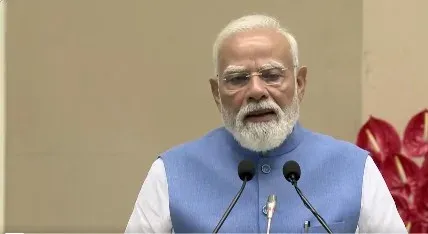
Prime Minister Narendra Modi presented Thekua — Bihar's traditional sweet snack — to Richard Rasi, the Speaker of Slovakia, during his recent two-nation visit to Europe, placing the humble festival delicacy on an international diplomatic stage. The gesture has ignited a wave of pride and optimism among Thekua makers and sellers across Bihar, who see it as a watershed moment for global recognition of their craft.
The Diplomatic Gesture and Its Significance
Modi's choice of Thekua as a diplomatic gift is being read as a deliberate effort to project India's regional culinary heritage alongside its geopolitical engagements. The move aligns with the Centre's 'Vocal for Local' initiative, which encourages promotion of indigenous products both domestically and abroad. Observers note that gifting a grassroots food item — rather than a luxury artefact — sends a pointed message about the depth and diversity of Indian culture.
Bihar's Thekua Makers React With Optimism
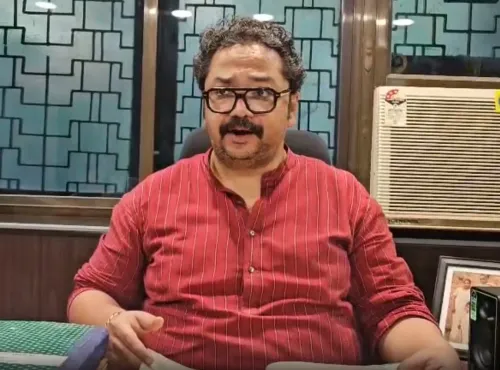
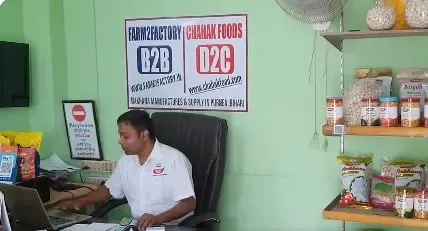
The announcement has sparked visible excitement among local artisans and small traders. Anil Kumar Thakur, a Thekua seller, said: 'This is a very big achievement. Our Bihar's thekua was served there, which is a very good thing. Thekua will get much greater recognition. As people abroad recognise it, the demand for our product will rise immensely.'
Fellow Thekua maker Shankar Shah struck an equally ambitious note: 'This will be beneficial for our business. It will grow, and exports will also happen from here to different countries. We will send Thekua. Just like Britannia sells biscuits, we will also sell Thekua. It is a good thing...'
What Is Thekua and Why It Matters
Thekua is a traditional sweet snack originating from Bihar and Jharkhand, crafted from wheat flour, jaggery or sugar, fennel seeds, and ghee. It is most prominently prepared during Chhath Puja, one of the region's most sacred festivals. Its simple ingredients, long shelf life, and distinctive homemade taste make it a symbol of festive celebration and regional culinary identity.
Notably, many Bihar residents drew a parallel with the attention that jhalmuri — another regional snack — received following Modi's stopover in Bengal, hoping for a similar commercial and cultural lift for Thekua.
Prospects for Export and Global Branding
The diplomatic spotlight has prompted local producers to envision a formal export pipeline. Industry observers say that with proper packaging, food-safety certification, and e-commerce integration, Thekua could follow the path of other Indian ethnic snacks that have found traction in diaspora markets across Europe, North America, and the Gulf. The Centre's ongoing push for agri-food exports provides a potential policy tailwind for such ambitions.
Whether the moment translates into sustained global demand will depend on institutional support — including GI tagging, export facilitation, and marketing outreach — that goes beyond a single diplomatic gifting event.
Point of View
But the real question is what follows the photo opportunity. GI tagging for Thekua, export-ready packaging standards, and dedicated agri-food export corridors are what convert a diplomatic moment into durable economic gain for Bihar's small producers. The jhalmuri parallel is instructive — that snack also got a Modi moment, yet remains largely unorganised and export-absent. Without structured institutional follow-through, Thekua risks the same fate: a viral headline that never becomes a supply chain.
NationPress
19 Sept 2026
Frequently Asked Questions
What is Thekua and where does it come from?
Thekua is a traditional sweet snack from Bihar and Jharkhand, made using wheat flour, jaggery or sugar, fennel seeds, and ghee. It is most famously prepared during Chhath Puja and is known for its long shelf life and distinct homemade flavour.
Who did PM Modi gift Thekua to during his Europe visit?
PM Modi presented Thekua to Richard Rasi, the Speaker of Slovakia, during a recent two-nation visit to Europe. The gesture drew attention to Bihar's regional culinary heritage on an international diplomatic platform.
Why are Bihar's Thekua makers excited about this development?
Local sellers and makers see the Prime Minister's diplomatic gifting as a major opportunity for global branding and export growth. Traders like Anil Kumar Thakur and Shankar Shah have publicly expressed hope that international recognition will drive up demand and open export markets.
How does this connect to India's 'Vocal for Local' initiative?
The Centre's 'Vocal for Local' campaign promotes indigenous and locally made products both within India and abroad. Modi's choice of Thekua as a diplomatic gift is widely seen as a practical extension of that policy, putting a grassroots Bihar product in front of a foreign head of legislature.
What would it take for Thekua to achieve genuine export success?
Experts suggest that sustained export growth would require GI tagging, food-safety certification, standardised packaging, and integration with e-commerce platforms targeting Indian diaspora markets in Europe, North America, and the Gulf — steps that go beyond a single diplomatic gesture.