Modi credits 'Nation First' for LWE decline, targets Congress on Maoist record
Synopsis
Modi's broadside against Congress on Maoist violence comes backed by numbers: 17,010 incidents and 7,000 deaths in the UPA decade versus a claimed infrastructure blitz of 12,000 km of roads, 45,000 mobile towers, and 1,800 bank branches in LWE-affected districts. The Bastar Olympics — drawing 1.5 million youth — is the government's most vivid symbol of a region it says has turned a corner.
Key Takeaways
PM Modi on 22 June credited the 'Nation First' approach for transforming LWE -affected tribal regions through security and development.
He cited more than 17,010 Maoist violence incidents and over 7,000 deaths during the Congress-led UPA government between 2004 and 2014 .
Over 12,000 km of roads have been constructed in LWE-affected areas over the past 12 years , alongside 45,000 mobile towers .
More than 1,800 bank branches , around 75,000 banking correspondents , and over 6,000 post offices have been established in LWE districts.
The Bastar Olympics saw over 1.5 million youths participate in its first edition and around 400,000 in the second.
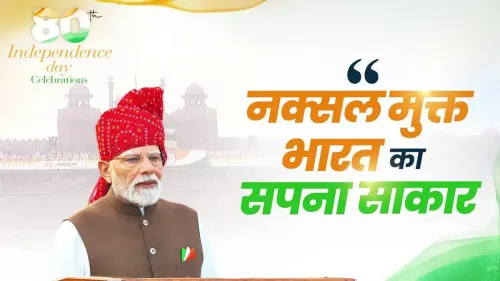
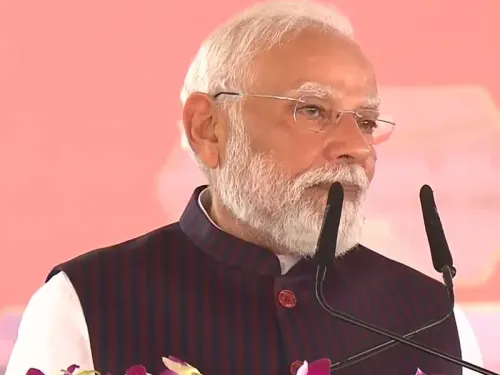
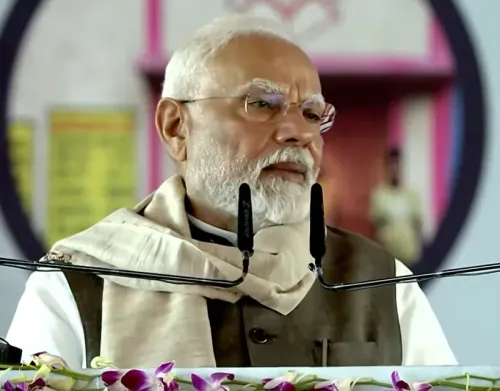
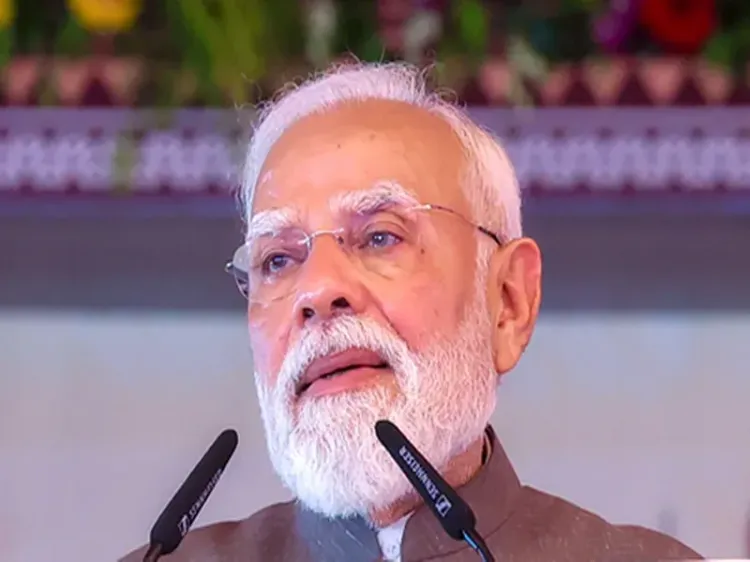
Prime Minister Narendra Modi on Monday, 22 June credited his government's development-first strategy for the visible transformation of Left-Wing Extremism (LWE)-affected tribal regions, while sharply criticising the previous Congress-led governments for failing to curb Maoist violence despite repeated constitutional invocations. Speaking on a special programme, Modi framed the fight against LWE as one of his administration's defining achievements.
The Congress Record Under Fire
Modi drew a pointed contrast with the United Progressive Alliance (UPA) era between 2004 and 2014, citing more than 17,010 Maoist violence incidents and over 7,000 deaths during that decade. He argued that the then government lacked the political will to act decisively despite the scale of the crisis.
'When these people were in government and LWE-affected areas were witnessing violence, they would mention the name of the Constitution, but the Constitution was not in their hands,' Modi said, accusing the Congress of invoking constitutional values without translating them into security outcomes.
Infrastructure Push in Tribal Heartlands
Modi outlined a multi-pronged strategy combining security operations with large-scale infrastructure development. Over the past 12 years, his government has constructed more than 12,000 kilometres of roads in LWE-affected areas. He noted that road construction crews of around 25 workers were deployed under the protection of approximately 200 security personnel to ensure project continuity in hostile terrain.
Connectivity improvements included the installation of around 45,000 mobile towers in these regions. On the financial inclusion front, more than 1,800 new bank branches have been opened in LWE-affected districts, around 75,000 banking correspondents appointed, and over 6,000 post offices established, according to the Prime Minister.
Welfare Measures and Youth Engagement
Modi highlighted welfare initiatives such as the issuance of ration cards to residents previously excluded due to the security situation. He also expressed pride in the Bastar Olympics, noting that more than 1.5 million youths participated in the first edition and around 400,000 in the second — a symbol, he argued, of the region's return to normalcy.
'Today, the whole country is seeing that Naxalism will be uprooted,' Modi said, signalling confidence that the remaining LWE influence is on the wane.
'Nation First' as a Global Signal
Beyond domestic policy, Modi asserted that India has emerged as a credible global power, with world leaders recognising the 'Nation First' philosophy as the driver of the country's progress. He referenced his recent engagement in France, where he and the French President visited stalls run by orphans and widows, showcasing Indian initiatives that he said are drawing international attention.
Modi reiterated that programmes such as Make in India and the push for domestic products have succeeded because of a strengthened national image and collective resolve. As security conditions improve in formerly Maoist-dominated districts, the government's next challenge will be sustaining development momentum and ensuring that infrastructure gains translate into lasting economic opportunity for tribal communities.
Point of View
But it rests on a metric — incident counts — that governments have historically defined to suit the moment. The UPA-era figures of 17,010 incidents and 7,000 deaths are stark, yet the current government's own data shows sporadic violence persisting in Chhattisgarh and Jharkhand as recently as 2024. The infrastructure numbers — roads, towers, bank branches — are harder to dispute and represent genuine progress in long-neglected districts. The real accountability question is whether the development push is reaching the most marginalised tribal households or primarily benefiting those already better connected. Bastar Olympics optics aside, land rights, forest rights, and displacement grievances remain unresolved — the conditions that historically fed LWE recruitment in the first place.
NationPress
21 Sept 2026
Frequently Asked Questions
What did PM Modi say about Left-Wing Extremism on 22 June?
PM Modi credited his government's 'Nation First' development strategy for transforming LWE-affected tribal regions, citing road construction, mobile connectivity, and financial inclusion as key drivers. He also attacked the Congress-led UPA government for recording more than 17,010 Maoist violence incidents and over 7,000 deaths between 2004 and 2014 without decisive action.
What infrastructure has been built in LWE-affected areas under Modi?
According to Modi, more than 12,000 kilometres of roads have been constructed in LWE-affected areas over the past 12 years. The government has also installed around 45,000 mobile towers, opened over 1,800 bank branches, appointed around 75,000 banking correspondents, and established more than 6,000 post offices in these districts.
What is the Bastar Olympics and why did Modi mention it?
The Bastar Olympics is a sports event held in the Bastar region of Chhattisgarh, historically one of the most Maoist-affected areas in India. Modi cited the event — which drew over 1.5 million youth in its first edition and around 400,000 in the second — as evidence of restored normalcy and youth engagement in formerly violence-hit regions.
How did Modi criticise the Congress over Maoist violence?
Modi accused the Congress of invoking the Constitution without the political will to act against LWE, saying the party repeatedly cited constitutional values while more than 17,010 violent incidents and 7,000 deaths occurred during the UPA years (2004–2014). He argued that his government, by contrast, combined security operations with a large-scale development push.
What is the 'Nation First' principle Modi referred to?
'Nation First' is the guiding philosophy Modi attributes to his government's domestic and foreign policy decisions. He said it underpins programmes such as Make in India, the push for domestic products, and the LWE development drive, and that global leaders now recognise it as the driver of India's progress.