PM Modi urges Sonam Wangchuk to regain health after 26-day hunger strike
Synopsis
Sonam Wangchuk’s 26-day hunger strike — one of the longest by a prominent Indian activist in recent years — ended at Safdarjung Hospital on 24 July, drawing a rare personal appeal from PM Modi on X. With 65 MPs having weighed in and Ladakh’s statehood demands still unresolved, the fast’s conclusion is a pause, not a resolution.
Key Takeaways
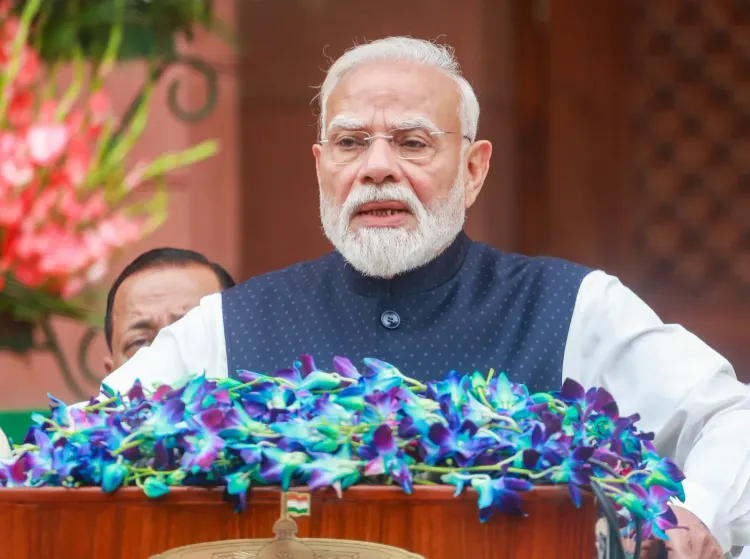
PM Narendra Modi posted a personal appeal on X on 24 July urging Sonam Wangchuk to follow doctors’ advice and regain his health.
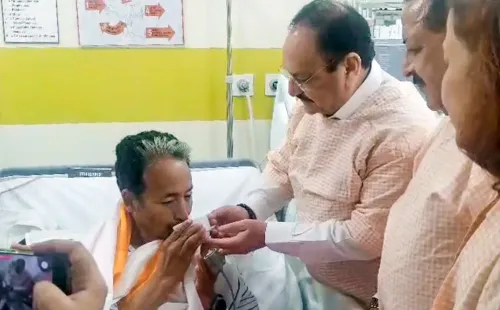
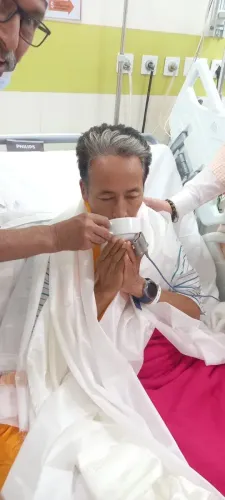
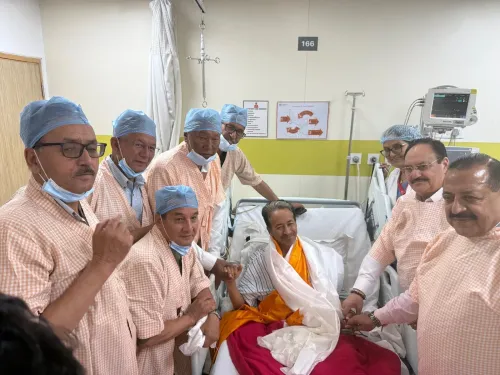
Wangchuk broke his 26-day hunger strike at Safdarjung Hospital , in the presence of Union Ministers J.P.
Nadda and Jitendra Singh .
65 Members of Parliament had either visited Wangchuk or signed letters urging him to end the fast.
The fast centred on Ladakh’s demands for statehood, Sixth Schedule protections, and environmental safeguards.
Separately, the Centre has prepared a draft Bill on paper leak offences, set for Union Cabinet discussion the same day.
The Apex Body of Leh Ladakh is expected to continue pressing its demands despite the fast’s conclusion.
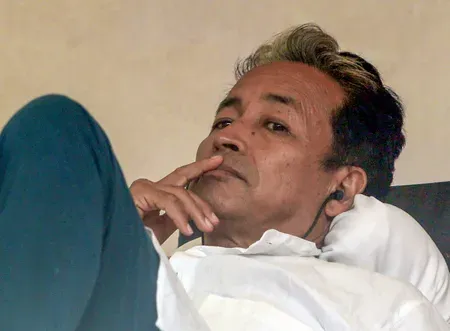
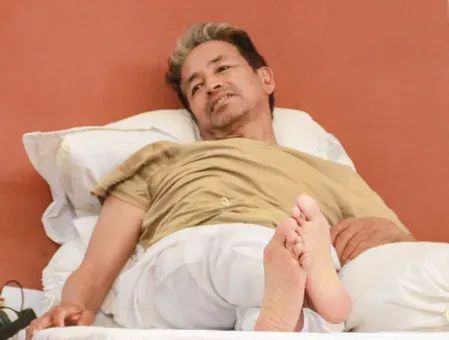
Prime Minister Narendra Modi on Friday, 24 July publicly urged climate activist and educator Sonam Wangchuk to follow medical advice and restore his health, hours after Wangchuk ended a 26-day hunger strike at Safdarjung Hospital in New Delhi. The message marked a rare direct outreach from the Prime Minister to the Ladakhi activist whose fast had drawn sustained national attention.
PM Modi's Message
In a post on X, Prime Minister Modi wrote: “I urge Sonam ji to follow the doctors’ advice in his daily routine and regain his old weight as soon as possible. I pray to the Almighty for his good health.” The post came within hours of Wangchuk breaking his fast in the presence of Union Ministers J.P. Nadda and Jitendra Singh, senior leaders of the Apex Body of Leh Ladakh, doctors, and family members.
How the Fast Ended
Wangchuk himself noted that 65 Members of Parliament had either visited him personally or signed letters urging him to end the fast, citing concerns over potential unrest. He said the decision to break the fast followed extended negotiations over conditions, and he underscored the need to avoid violence of any kind. Leaders from multiple political parties and civil society groups had also appealed to him throughout the duration of the strike.
Political and Legislative Backdrop
Separately, Prime Minister Modi indicated that the Central government has prepared a comprehensive draft Bill introducing stricter provisions and more stringent punishments for paper leak cases. The proposal was scheduled for discussion at the Union Cabinet meeting on Friday and is expected to be introduced and passed during the ongoing session of Parliament the following week. The announcement, though unrelated to Wangchuk’s fast, signals the government’s legislative priorities as Parliament remains in session.
Why Ladakh’s Demands Matter
Wangchuk’s 26-day fast is widely regarded as one of the longest hunger strikes by a prominent activist in recent years. At its core, the protest centred on Ladakh’s demands for statehood, constitutional safeguards under the Sixth Schedule, and stronger environmental protections for the ecologically fragile Himalayan region. The episode has reignited debate over governance structures for the Union Territory, which was carved out of the former state of Jammu and Kashmir in 2019.
What Comes Next
The conclusion of the fast does not resolve the underlying political questions Wangchuk raised. The Apex Body of Leh Ladakh is expected to continue pressing the Centre on its demands. With Parliament in session, advocates for Ladakh’s statehood are likely to push for legislative movement in the near term. How the government responds will determine whether Friday’s goodwill gesture translates into substantive policy action.
Point of View
Not Ladakh’s statehood or Sixth Schedule demands. That gap matters. A 26-day fast that drew 65 MPs and national media attention deserved, at minimum, a signal on the political asks. The Centre’s silence on Ladakh’s constitutional demands while offering personal goodwill risks being read as optics management rather than engagement. The real test is whether the Apex Body’s negotiations yield a legislative response before Parliament’s current session closes.
NationPress
22 Oct 2026
Frequently Asked Questions
Why did Sonam Wangchuk go on a hunger strike?
Sonam Wangchuk undertook a 26-day hunger strike to press demands for Ladakh’s statehood, inclusion under the Sixth Schedule of the Constitution for tribal protections, and stronger environmental safeguards for the region. Ladakh was designated a Union Territory in 2019 following the reorganisation of Jammu and Kashmir, and residents have since sought greater autonomy and legislative representation.
When and where did Sonam Wangchuk end his fast?
Wangchuk broke his fast on 24 July at Safdarjung Hospital in New Delhi, in the presence of Union Ministers J.P. Nadda and Jitendra Singh, senior Apex Body leaders, doctors, and family members.
What did PM Modi say about Sonam Wangchuk?
PM Modi posted on X: ‘I urge Sonam ji to follow the doctors’ advice in his daily routine and regain his old weight as soon as possible. I pray to the Almighty for his good health.’ The message was personal in nature and did not address Ladakh’s political demands directly.
How much political support did Wangchuk receive during the fast?
According to Wangchuk himself, 65 Members of Parliament either visited him at the hospital or signed letters urging him to end the fast. Leaders from multiple political parties and civil society groups also publicly appealed for him to break the strike.
What is the Apex Body of Leh Ladakh?
The Apex Body of Leh Ladakh is a representative body of senior leaders from the Ladakh region that has been leading negotiations with the Central government over Ladakh’s political and constitutional demands, including statehood and Sixth Schedule protections.