Congress MP Imran Masood questions Wangchuk's 26-day hunger strike end
Synopsis
Congress MP Imran Masood has put activist Sonam Wangchuk on the spot: if his 26-day hunger strike was for the students, why did it take two BJP ministers — not 45 Opposition MPs, not the protesting students themselves — to end it? Wangchuk denies any deal, but the political heat is only rising.
Key Takeaways
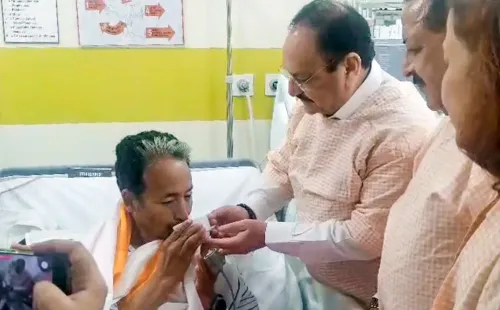
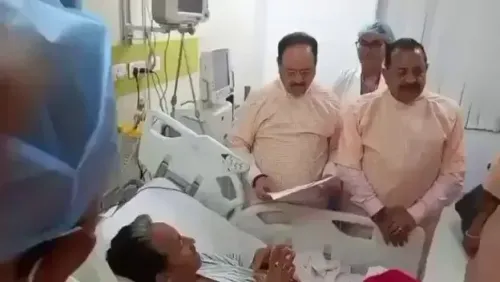
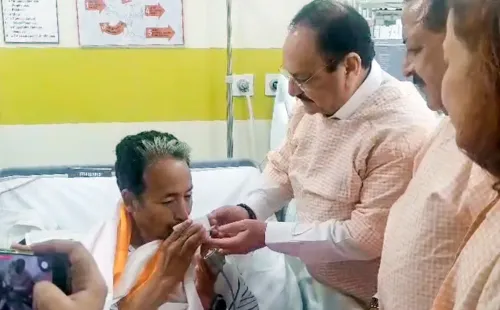
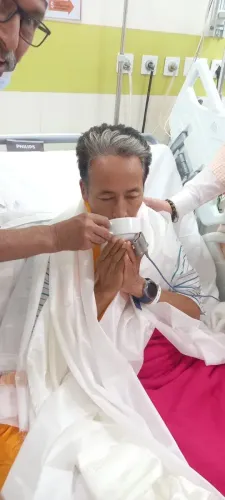
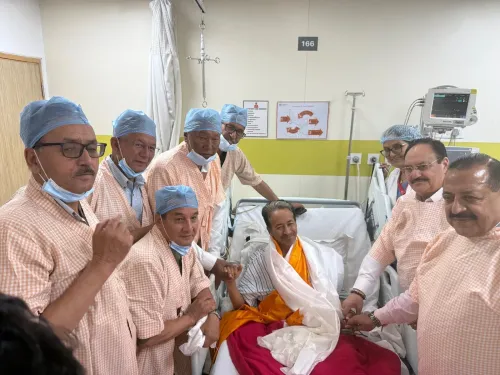
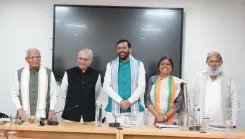
Congress MP Imran Masood on 25 July questioned activist Sonam Wangchuk 's decision to end his 26-day hunger strike after meeting Union Ministers J.P.
Nadda and Jitendra Singh .
Masood noted that 45 Opposition MPs , student groups, and leaders had earlier appealed to Wangchuk to end the fast, but were ignored.
Wangchuk denied any compromise, saying his goal was to protect students from violence and legal action.
MPs from Congress , Samajwadi Party , and AAP had also requested Wangchuk to break his fast before the ministerial meeting.
The Union Cabinet approved a draft Bill on stricter paper-leak punishments a day before Masood's remarks; Masood dismissed it as insufficient.
Masood questioned the removal of 47 NTA officials , arguing most were contractual workers rather than permanent employees.
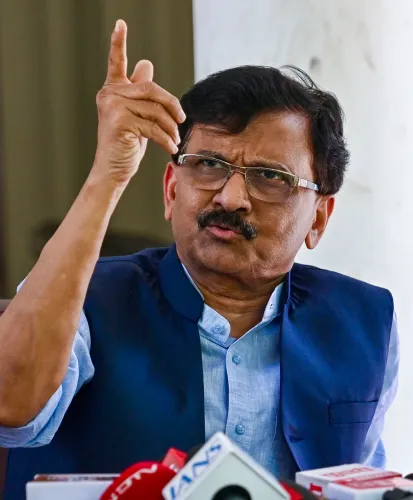
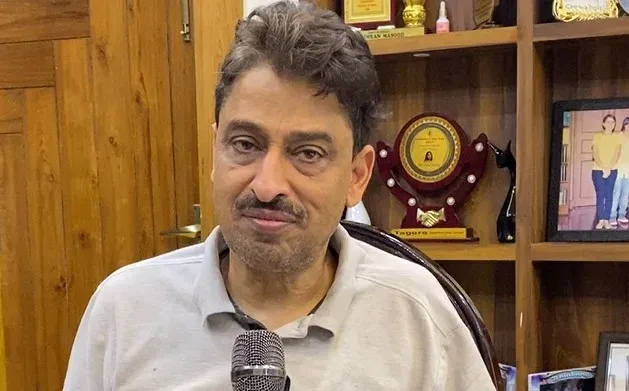
Congress MP Imran Masood on Saturday, 25 July publicly questioned activist Sonam Wangchuk's decision to call off his 26-day hunger strike after a meeting with Union Ministers J.P. Nadda and Jitendra Singh, demanding clarity on what understanding, if any, had been reached between Wangchuk and the government. The protest had been launched in solidarity with students demonstrating against examination paper leaks.
The Core Allegation
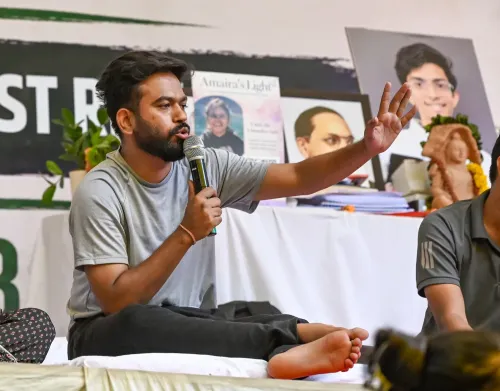
Masood pointed to a perceived inconsistency: that Wangchuk had declined repeated appeals from 45 Opposition MPs, student groups, and leaders including Abhijeet Dipke to end his fast, but agreed to do so after two ministers from the ruling Bharatiya Janata Party (BJP) intervened. 'We had been continuously saying for a long time that your life is precious and that you should not put yourself at risk. But when two ministers from the BJP government went to you, you immediately agreed? And what exactly did you agree on? Please explain that as well,' Masood said.
The Congress MP argued that if Wangchuk had genuinely been fasting for the students' cause, the protest should have ended at the students' own request. 'If you had called 10 students and accepted juice from their hands, it would have made sense that you had taken a step based on their appeal. The question being raised against you is: On what grounds did you agree with the ministers and decide to break your hunger strike?' he said.
Wangchuk's Response
Wangchuk rejected allegations of any compromise with the government, asking critics, 'Do I need a character certificate?' He maintained that no agreement had been reached with the Centre and that his primary objective throughout the protest was to ensure that students participating in the movement were not subjected to violence or legal action.
Political Crossfire and Trolling Claims
Masood said MPs from the Congress, Samajwadi Party, and the Aam Aadmi Party (AAP) had also appealed to Wangchuk to end his fast, but those requests went unheeded. When criticism of his own remarks surfaced, Masood claimed he was being targeted by BJP supporters on social media. 'Who is trolling? The BJP! I am being trolled from BJP handles, right? So the picture is clear, isn't it?' he said. He also compared Wangchuk to veteran activist Anna Hazare, calling him 'Anna Hazare Part 2.'
Government Action on Paper Leaks
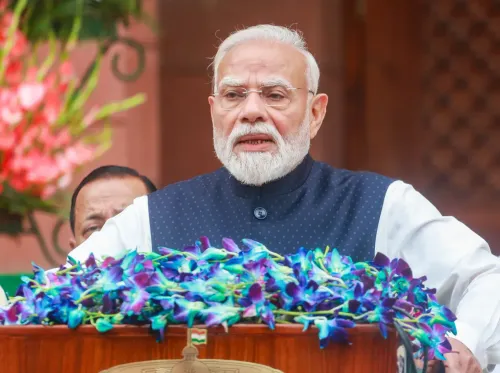
Masood's remarks came a day after the Union Cabinet approved a draft Bill proposing significantly stricter punishments for paper leaks in competitive examinations. The decision followed Prime Minister Narendra Modi's announcement that the government would establish fast-track courts and introduce stronger legal measures to protect students. Masood dismissed the legislative move, arguing that existing laws were sufficient and that the real failure lay in non-filing of chargesheets. He also targeted the Education Minister, saying, 'One person who has destroyed the entire education system of the country — the Education Minister. You are not ready to remove him.'
NTA Officials and Accountability
Masood also questioned the government's decision to remove 47 officials associated with the National Testing Agency (NTA), arguing that those dismissed were contractual workers or personnel on deputation rather than permanent NTA employees. 'What was their actual role? Just look at the situation and see where things stand. Contractual employees were working inside the NTA,' he said, suggesting the action amounted to optics rather than accountability. The broader controversy over the NTA and examination integrity continues to put pressure on the government ahead of any legislative resolution.
Point of View
Only to relent for two ruling-party ministers, do invite scrutiny. Wangchuk's denial of any deal is plausible — protecting students from legal action is a concrete, verifiable goal — but without a public account of what was actually discussed in that ministerial meeting, the ambiguity will persist. The BJP's apparent enthusiasm for trolling Masood over his remarks is itself telling: the ruling party seems more comfortable attacking the critic than clarifying what its ministers promised. The larger story — NTA's structural rot, contractual staffing at a high-stakes examination body, and a paper-leak Bill that critics say papers over accountability — is at risk of being buried under the personality contest.
NationPress
23 Oct 2026
Frequently Asked Questions
Why did Sonam Wangchuk end his 26-day hunger strike?
Wangchuk ended his hunger strike after meeting Union Ministers J.P. Nadda and Jitendra Singh. He maintained that no deal was struck with the government and that his primary goal was to ensure protesting students were not subjected to violence or legal action.
What is Congress MP Imran Masood's objection to Wangchuk ending the fast?
Masood questioned why Wangchuk refused repeated appeals from 45 Opposition MPs, student groups, and leaders like Abhijeet Dipke, but agreed to break his fast after two BJP ministers intervened. He demanded a public explanation of what understanding, if any, was reached.
Did Sonam Wangchuk make any agreement with the government?
Wangchuk denied any compromise with the Centre. He said his sole objective was to protect students in the protest movement from violence and legal action, and that this goal guided his decision to end the fast.
What action has the government taken on examination paper leaks?
The Union Cabinet approved a draft Bill proposing stricter punishments for paper leaks in competitive examinations. Prime Minister Narendra Modi also announced plans for fast-track courts and stronger legal measures to protect students. The government additionally removed 47 officials linked to the National Testing Agency (NTA).
Who is Sonam Wangchuk and what was his hunger strike about?
Sonam Wangchuk is a Ladakh-based activist known for education and environmental advocacy. His 26-day hunger strike in mid-2024 was launched in solidarity with students protesting against widespread paper leaks in competitive examinations, demanding accountability and systemic reform.