PM Modi offers Navratri Day 2 prayers to Maa Brahmacharini, seeks courage and self-control
Synopsis
On the second day of Navratri, PM Modi shared a Sanskrit verse from the Durga Saptashati honouring Maa Ambika and invoked Maa Brahmacharini — Goddess Parvati's ascetic form — as the symbol of penance and resolve, blending scriptural depth with his annual tradition of cultural outreach during major Hindu festivals.
Key Takeaways
PM Narendra Modi marked Navratri Day 2 on 13 October 2025 with posts on social media platform X .
He shared a Sanskrit verse from the Shakradi Stuti , fourth chapter of Sri Durga Saptashati , dedicated to Maa Ambika .
The verse praises Maa Ambika as the supreme power governing the universe, worshipped even by gods and sages.
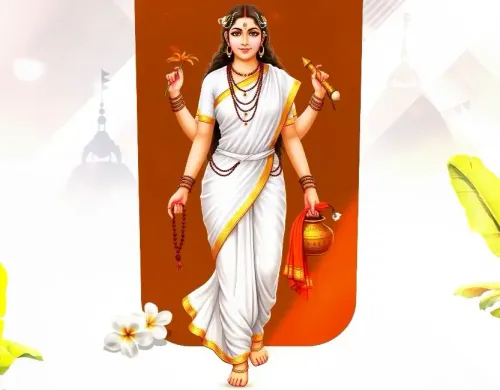
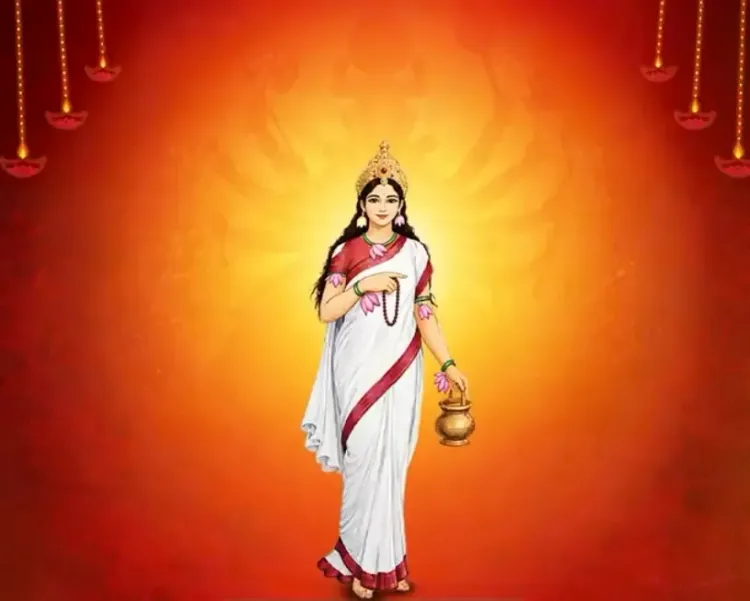
Modi highlighted Maa Brahmacharini as the second Navratri manifestation — the symbol of penance, sacrifice, and resolve.
Devotees observe Day 2 in white , offering sugar or mishri as prasad, seeking blessings for wisdom and perseverance.
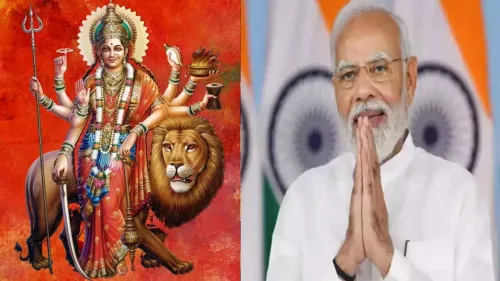
Prime Minister Narendra Modi on Monday, 13 October 2025, marked the second day of Navratri by offering prayers to Maa Brahmacharini and sharing a Sanskrit verse dedicated to Maa Ambika, seeking blessings of courage, determination, and self-control for the nation. His posts on social media platform X combined scriptural verses with an explanation of the day's religious significance.
The Sanskrit Verse and Its Significance
In his first post, Prime Minister Modi shared a verse from the Shakradi Stuti — also known as the Indrakrit Stuti — drawn from the fourth chapter of Sri Durga Saptashati. The verse describes Maa Ambika as the supreme power governing the universe, in whom the combined powers of all gods reside.
'We bow with complete reverence and devotion to Maa Ambika, the supreme power that governs the entire universe and in whom the powers of all the gods are contained. Indeed, even gods and sages worship her. May Maa Ambika bless us all,' the Prime Minister's post read.
According to Hindu religious tradition, the Shakradi Stuti was composed by Indra and other gods after Goddess Durga defeated the demon Mahishasura, restoring divine order and freeing the gods from his threat. The verse is recited during religious observances as a collective prayer for welfare, peace, and prosperity.
Maa Brahmacharini: The Second Manifestation of Navratri
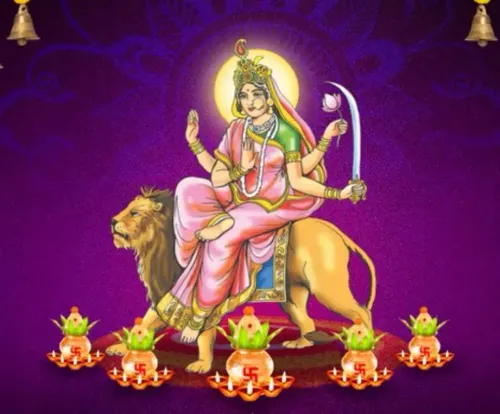
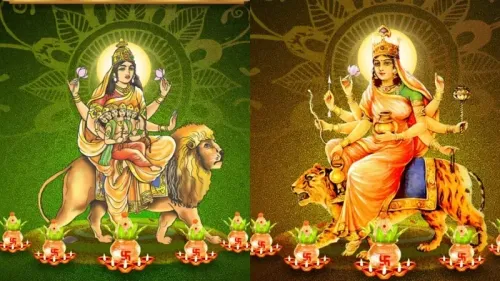
In a separate post, Modi highlighted the spiritual significance of Maa Brahmacharini, the second of the nine forms of Goddess Durga worshipped during Navratri. 'The second day of Navratri is dedicated to the worship of Maa Brahmacharini, the symbol of penance, sacrifice, and resolve. May she bless everyone with courage and self-control,' he said.
Maa Brahmacharini is venerated as the ascetic form of Goddess Parvati, representing intense tapasya — or deep penance — undertaken in unwavering devotion to Lord Shiva. She is considered the embodiment of patience, perseverance, and spiritual discipline.
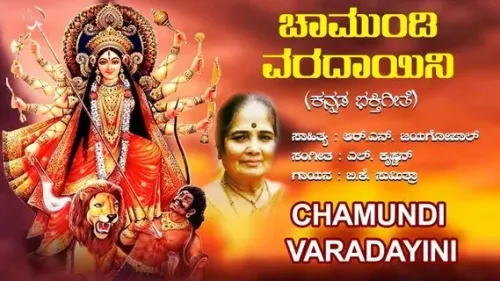
The Prime Minister also shared a YouTube link to 'Chamundi Songs' as part of his Navratri observances.
How Devotees Mark the Day
Across India, devotees observe the second day of Navratri by offering prayers, flowers, and traditional bhog to the Goddess, accompanied by the chanting of sacred mantras. White is the colour traditionally associated with this day, symbolising peace and purity. Sugar or mishri is commonly offered as prasad, reflecting the sweetness of spiritual devotion.
The day follows the worship of Maa Shailputri on the first day of Navratri, with devotees seeking Brahmacharini's blessings specifically for wisdom, perseverance, and the inner strength to overcome life's challenges.
Context and Broader Observance
Prime Minister Modi has consistently used major Hindu festivals as occasions to share scriptural knowledge and cultural context with a wide audience — a practice that has become a notable feature of his social media engagement. This year's Navratri greetings continue that pattern, blending political visibility with religious outreach. The festival, observed across the country with devotion, runs for nine nights and culminates in Vijayadashami (Dussehra). The nine-day celebration is among India's most widely observed religious events, drawing participation from devotees of all ages.
Point of View
Electorally intentional, and increasingly detailed in scriptural content. Sharing a verse from the Durga Saptashati with its original source citation moves well beyond a routine festival greeting; it signals a deliberate effort to position the Prime Minister as a custodian of Hindu literary tradition, not merely a well-wisher. Whether one reads this as genuine devotion or calibrated identity politics, the impact is the same: millions of followers receive a crash course in classical scripture from the highest elected office. The tradition is now too consistent and too structured to be incidental.
NationPress
12 Oct 2026
Frequently Asked Questions
Which goddess is worshipped on the second day of Navratri?
The second day of Navratri is dedicated to Maa Brahmacharini , the second manifestation of Goddess Durga. She represents Goddess Parvati's intense tapasya — deep penance — undertaken to attain Lord Shiva as her consort, and is worshipped as the symbol of penance, sacrifice, determination, and self-discipline.
What verse did PM Modi share for Navratri Day 2?
PM Modi shared a Sanskrit verse from the Shakradi Stuti (also called Indrakrit Stuti), drawn from the fourth chapter of the Sri Durga Saptashati. The verse praises Maa Ambika as the supreme power governing the universe, in whom all divine powers reside, and was originally composed by Indra and the gods after Goddess Durga defeated the demon Mahishasura.
What is the colour and prasad associated with Navratri Day 2?
White is the colour traditionally associated with the second day of Navratri, symbolising peace and purity. Sugar or mishri is commonly offered as prasad to Maa Brahmacharini on this day.
What is the Shakradi Stuti referenced in PM Modi's post?
The Shakradi Stuti, also known as the Indrakrit Stuti, is a hymn from the fourth chapter of the Sri Durga Saptashati. According to Hindu tradition, it was composed by Indra and other gods to praise Goddess Durga after she defeated the demon Mahishasura and restored their confidence and divine order.
Why does PM Modi regularly post about Hindu festivals on X?
Prime Minister Modi has made it a consistent practice to mark major Hindu festivals on social media platform X with scriptural verses, cultural explanations, and devotional content. The practice blends public religious engagement with cultural outreach and has become a recognisable feature of his communication style during festivals such as Navratri, Diwali, and Janmashtami.