Mahua Moitra Recalls Bengal's Armed Revolutionaries
Synopsis
TMC MP Mahua Moitra posted a tribute recalling three landmark acts of armed resistance — the 1908 Muzaffarpur bombing, the 1912 attack on Viceroy Hardinge, and Bhagat Singh's 1929 Assembly protest — asserting Bengal's central role in India's revolutionary freedom struggle.
Key Takeaways
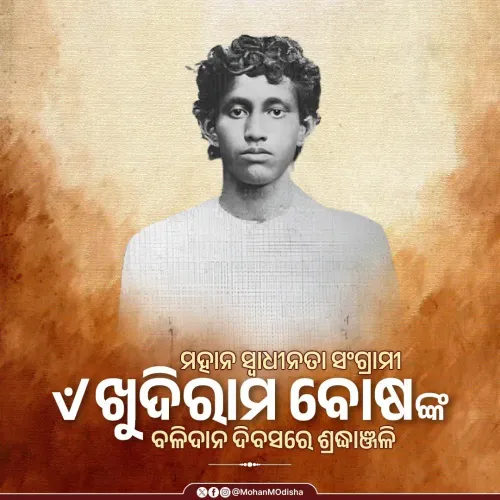
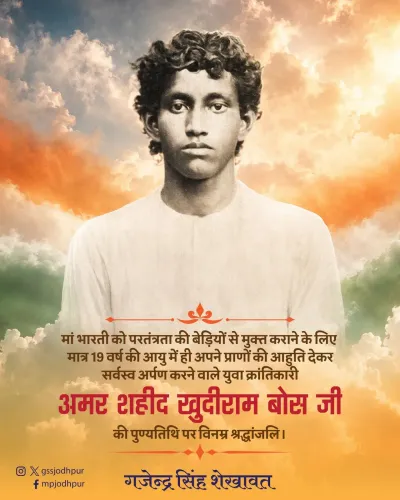
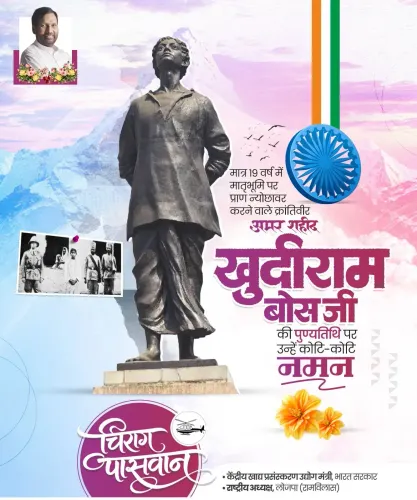
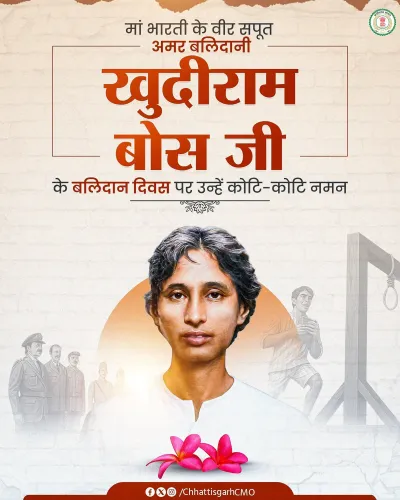
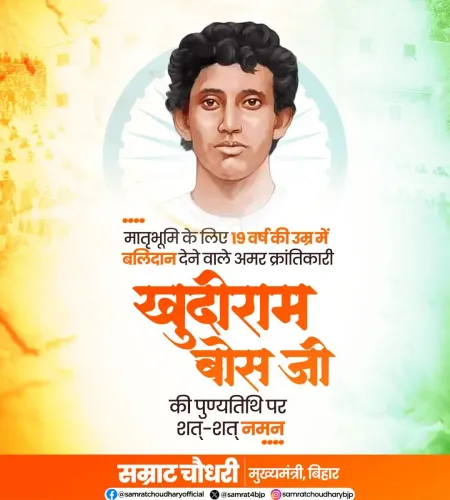
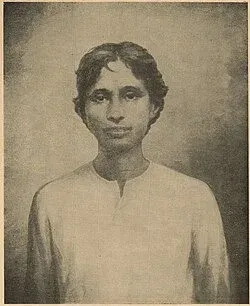
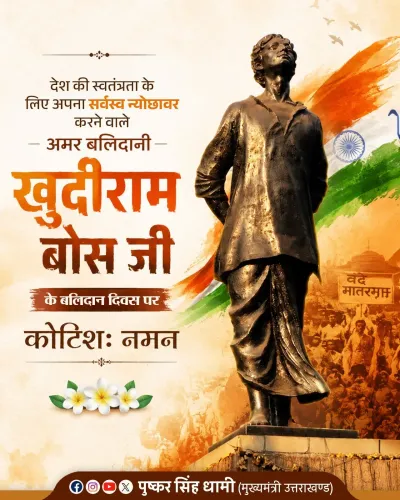
In 1908 , Khudiram Bose and Prafulla Chaki attempted to assassinate British magistrate Douglas Kingsford in Muzaffarpur; Khudiram was hanged at 18.
In 1912 , Rashbehari Bose and Basanta Biswas threw a bomb at Viceroy Lord Hardinge's howdah during a Delhi procession.
In 1929 , Bhagat Singh and Batukeshwar Dutt threw smoke bombs in the Central Legislative Assembly to protest repressive colonial bills.
The Partition of Bengal in 1905 is widely seen as the trigger for the first wave of organised revolutionary activity in eastern India.
Moitra's post asserts that armed resistance ran alongside — and complemented — the Congress-led non-violent independence campaigns.
They did not wait for permission to resist. TMC MP Mahua Moitra marked the occasion with a sharp reminder that India's freedom struggle was not only a story of peaceful marches — it was also written in gunpowder and sacrifice, and Bengal was at the centre of it.
Three Bombings, Three Moments That Shook Colonial India
Moitra's post traces a precise arc of revolutionary action across more than two decades. In 1908, Khudiram Bose and Prafulla Chaki attempted to assassinate British magistrate Douglas Kingsford in Muzaffarpur by hurling a bomb at his carriage. The attempt failed — the carriage carried the wrong passengers — but its audacity announced a new chapter in anti-colonial resistance. Khudiram was hanged at just 18 years of age, becoming one of the youngest martyrs of the independence movement. Prafulla Chaki died by suicide to avoid capture.
Four years later, in 1912, Rashbehari Bose and Basanta Biswas threw a bomb at the howdah of Viceroy Lord Hardinge during a state procession in Delhi. Hardinge survived, but the attack — in the heart of the colonial capital — demonstrated that the empire was not invulnerable on its own ceremonial ground. Rashbehari Bose would go on to lead the Indian National Army from exile in Japan.
Then came 1929. Bhagat Singh and Batukeshwar Dutt walked into the Central Legislative Assembly in Delhi and threw smoke bombs from the public gallery — not to kill, but to be heard. The act was a protest against the Public Safety Bill and the Trade Disputes Bill, repressive legislation the colonial government was pushing through. 'Deaf ears must be made to hear,' Bhagat Singh famously declared. Both men surrendered willingly and used the subsequent trial as a platform.
Bengal's Thread Through the Revolutionary Strand
The Partition of Bengal in 1905 is widely credited with igniting the first wave of organised revolutionary activity in eastern India. The anger it generated fed directly into the networks that produced Khudiram, Prafulla Chaki, and Rashbehari Bose. Moitra's post draws this line explicitly, closing with: 'Bengal has always been associated with the freedom movement. Jai Hind.'
The armed revolutionary strand she highlights ran parallel to — and often in tension with — the Congress-led non-violent campaigns. Both currents shaped the final outcome of 1947, though the revolutionaries rarely received equal space in the mainstream retelling of that history.
As India marks another Independence Day, Moitra's tribute is a pointed insistence that the full ledger of sacrifice be kept open — not just the names that made it into the textbooks, but the ones who threw themselves at an empire with a bomb and a slogan and no guarantee of tomorrow.
Point of View
She reinforces a regional identity claim that the TMC has long cultivated: that Bengal's contribution to the freedom struggle was foundational, not peripheral. The post also implicitly challenges the selective memory of official commemoration, where Bhagat Singh is celebrated but the Bengali revolutionaries who preceded him are far less visible in national discourse. In an era of competing historical narratives, such tributes carry quiet but unmistakable political weight.
NationPress
22 Sept 2026
Frequently Asked Questions
Who were Khudiram Bose and Prafulla Chaki?
Khudiram Bose and Prafulla Chaki were Bengali revolutionaries who in 1908 attempted to assassinate British magistrate Douglas Kingsford in Muzaffarpur by throwing a bomb at his carriage. Khudiram was hanged at age 18 and Prafulla Chaki died by suicide to avoid capture, both becoming early martyrs of India's independence movement.
What happened in the 1912 Delhi Viceroy bombing?
In 1912 , revolutionaries Rashbehari Bose and Basanta Biswas threw a bomb at the howdah of Viceroy Lord Hardinge during a state procession in Delhi. Hardinge survived the attack, which was one of the most audacious acts of anti-colonial resistance carried out in the imperial capital.
Why did Bhagat Singh throw a bomb in the Central Assembly in 1929?
Bhagat Singh and Batukeshwar Dutt threw smoke bombs — not intended to kill — in the Central Legislative Assembly on 8 April 1929 to protest the Public Safety Bill and the Trade Disputes Bill , which they considered repressive colonial legislation. They surrendered willingly and used the trial as a public platform.
What is Bengal's role in India's freedom movement?
Bengal was a crucible of India's revolutionary independence movement, producing figures like Khudiram Bose, Prafulla Chaki, and Rashbehari Bose. The Partition of Bengal in 1905 is seen as a key trigger for organised armed resistance against British colonial rule.
Why did Mahua Moitra post about freedom fighters?
TMC MP Mahua Moitra posted a tribute recalling landmark acts of armed resistance by Indian revolutionaries, asserting Bengal's central role in the freedom struggle. The post appears timed to India's Independence Day commemorations and emphasises the revolutionary strand of the movement alongside the better-known Gandhian non-violence campaigns.