MP CM Mohan Yadav Ties Fisheries to Food Processing, MSMEs
Synopsis
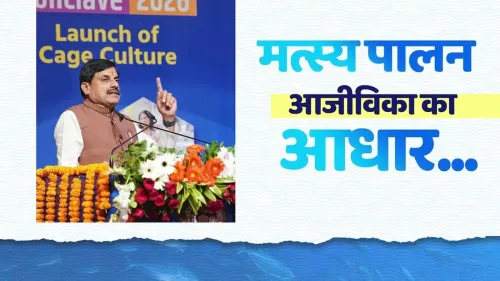
Chief Minister Dr. Mohan Yadav announced at the Fisheries Conclave 2026 that Madhya Pradesh will integrate fisheries with food processing industries and encourage an MSME-driven integrated fisheries sector to boost value addition and employment.
Key Takeaways
Mohan Yadav announced the fisheries-food processing integration plan at Fisheries Conclave 2026 on October 23, 2026 .
Madhya Pradesh will promote fish processing and value addition by linking fisheries directly with the food processing industry.
The MSME sector will be the key vehicle for developing an integrated fisheries industry in the state.
The initiative aligns with the national Pradhan Mantri Matsya Sampada Yojana , launched in 2020 , which targets post-harvest infrastructure and processing.
The Department of Fisheries, Madhya Pradesh is the implementing agency for these initiatives.
Specific MSME-linked schemes, investment targets, and infrastructure rollouts are expected as follow-up outcomes from the conclave.
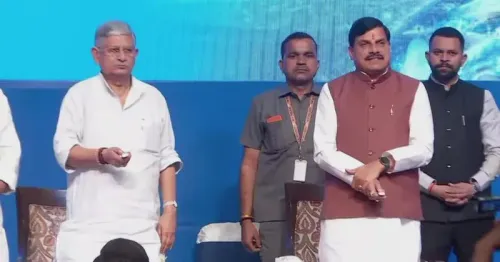
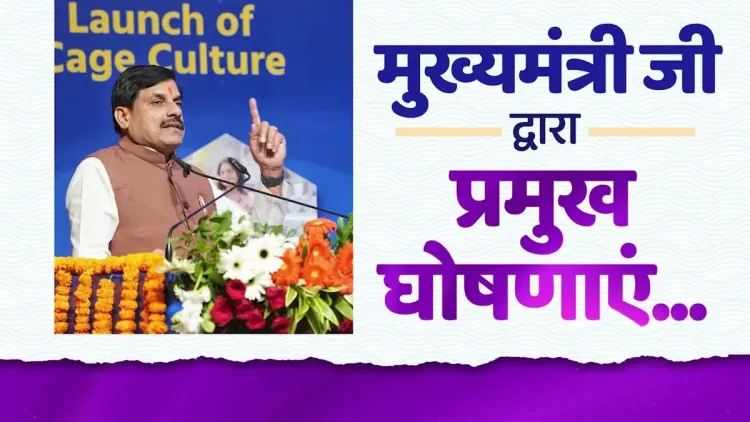
Madhya Pradesh is repositioning its fisheries sector as an industrial value chain — not just a source of raw catch. At the Fisheries Conclave 2026 on Friday, October 23, Chief Minister Dr. Mohan Yadav announced that the state will integrate fish farming with food processing industries and drive value addition through the MSME framework, a move that could reshape livelihoods for thousands of fish farmers across the landlocked state.
CM Yadav's announcement, posted by the Chief Minister's Office of Madhya Pradesh, declared: 'मध्यप्रदेश में मत्स्य पालन को फूड प्रोसेसिंग उद्योग से जोड़कर मछली प्रसंस्करण एवं मूल्य संवर्धन की गतिविधियों को बढ़ावा दिया जाएगा' — 'In Madhya Pradesh, fisheries will be linked to the food processing industry to promote fish processing and value addition activities. Additionally, integrated fisheries industry will be encouraged through MSMEs.'From Pond to Processing Unit: The Value-Addition Push
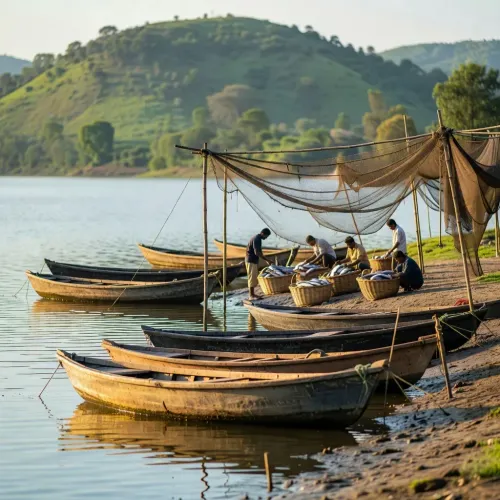
Madhya Pradesh sits at the heart of India's inland water geography, with rivers, reservoirs, and water bodies spread across its districts. Yet raw fish production has historically seen high post-harvest losses due to weak cold-chain and processing infrastructure. The CM's announcement directly targets that gap — by creating industry linkages that move fish from the water to a processed, packaged, marketable product, rather than a perishable commodity sold at low farmgate prices.
Anchoring this push in the MSME sector is a deliberate economic choice. Small and medium food processors already operate across Madhya Pradesh's agricultural belt. Routing fisheries investment through MSME channels lowers the capital barrier for entrepreneurs, distributes economic activity beyond large cities, and generates employment in processing, packaging, cold storage, and logistics — sectors where women workers have historically played a significant role.
National Framework Behind the State Push
The announcement aligns with the Pradhan Mantri Matsya Sampada Yojana, launched in 2020, which set out to modernise India's fisheries value chain — improving post-harvest infrastructure, processing facilities, and market linkages. Madhya Pradesh's conclave signals a deeper operationalisation of those national goals at the state level, with MSMEs as the delivery mechanism rather than large corporates.
Across India, states that have successfully boosted fisheries income — notably Andhra Pradesh and Odisha — did so by pairing production scale-up with downstream processing capacity. MP is now charting a similar course, with the added specificity of using the MSME ecosystem as an integrator, a model suited to a non-coastal, river-and-reservoir-dependent fisheries economy.
What the Fisheries Conclave 2026 Sets in Motion
The Department of Fisheries, Madhya Pradesh — tagged directly in the CM's post — will be the implementing arm for these initiatives. The conclave itself serves as a policy signalling moment: investors, MSME entrepreneurs, and fish farmers are being told that the state intends to treat fisheries as an industry, not merely a welfare programme. Specific scheme rollouts, investment targets, and infrastructure timelines are the critical next steps to watch as conclave proceedings conclude.
For fish farming communities in MP, the pitch is clear: their catch should carry more value by the time it reaches a consumer's plate. Whether processing clusters, cold chains, and MSME credit follow the announcement with pace will determine how transformative this policy direction ultimately becomes.
Point of View
Which carries real economic potential given the state's extensive inland water bodies. The credibility of the initiative will hinge on how quickly the Department of Fisheries and MSME bodies translate the announcement into accessible schemes and infrastructure on the ground.
NationPress
23 Oct 2026
Frequently Asked Questions
What did MP CM Mohan Yadav announce at the Fisheries Conclave 2026?
CM Dr. Mohan Yadav announced that Madhya Pradesh will link fisheries with the food processing industry to promote fish processing and value addition, and will encourage an integrated fisheries industry through the MSME framework.
What is the Fisheries Conclave 2026 in Madhya Pradesh?
The Fisheries Conclave 2026 is a state-level event organised to discuss fisheries development, industry linkages, and investment opportunities in Madhya Pradesh's fisheries sector.
How does MSME fit into Madhya Pradesh's fisheries plan?
The state intends to use the MSME sector as the primary vehicle for building an integrated fisheries industry — connecting fish production, processing, packaging, and value-added product development through small and medium enterprises.
What is Pradhan Mantri Matsya Sampada Yojana and how is it relevant?
Launched in 2020, the Pradhan Mantri Matsya Sampada Yojana is a national scheme to modernise fisheries value chains including post-harvest infrastructure and processing. Madhya Pradesh's announcement deepens implementation of this framework at the state level.
Which department in MP will implement the fisheries-food processing integration?
The Department of Fisheries, Madhya Pradesh (tagged as @fisheries_mp) is the state body responsible for executing the fisheries policy initiatives announced by CM Mohan Yadav.