MP CM Mohan Yadav flags tribal welfare push: 75% tendu bonus, ₹1,500 aid
Synopsis
Chief Minister Dr. Mohan Yadav of Madhya Pradesh has outlined a tribal welfare package including a 75% bonus for tendu leaf collectors, MSP on minor forest produce, ₹1,500 monthly cash aid for tribal women, pucca housing, and tap water connections under central and state schemes.
Key Takeaways
75% bonus on tendu leaf collection is being provided to tribal collectors in Madhya Pradesh, as stated by CM Dr.
Tribal communities are receiving minimum support price (MSP) benefits on minor forest produce under a central scheme operational since 2013–14 .
Tribal women are being given monthly financial assistance of ₹1,500 , linked to the state's Ladli Behna Yojana framework launched in 2023 .
Pucca housing is being extended to tribal families under the Pradhan Mantri Awas Yojana .
Tap water connections are being provided to tribal households through the Jal Jeevan Mission , launched nationally in 2019 .
Madhya Pradesh has one of India's largest Scheduled Tribe populations, making these schemes among the highest-reach tribal welfare interventions in the country.
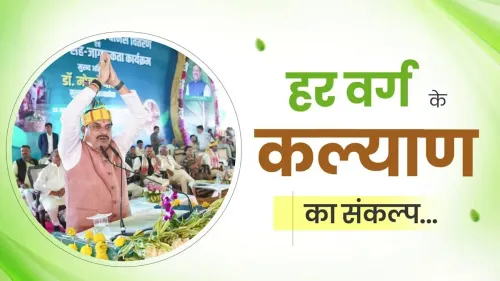
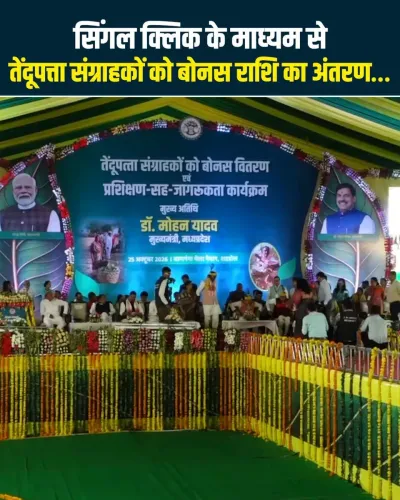
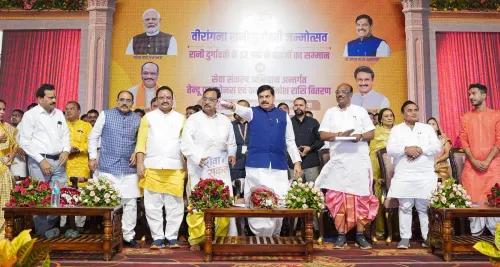
Across Madhya Pradesh's vast forest belt, millions of tribal families depend on tendu leaves and minor forest produce as their economic lifeline — and on Sunday, 25 October 2026, the Chief Minister's Office of Madhya Pradesh quoted Chief Minister Dr. Mohan Yadav directly, outlining a cluster of welfare commitments targeting these communities with concrete numbers attached.
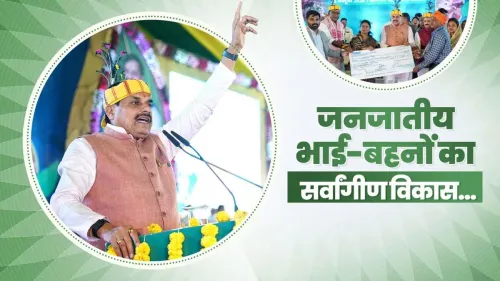
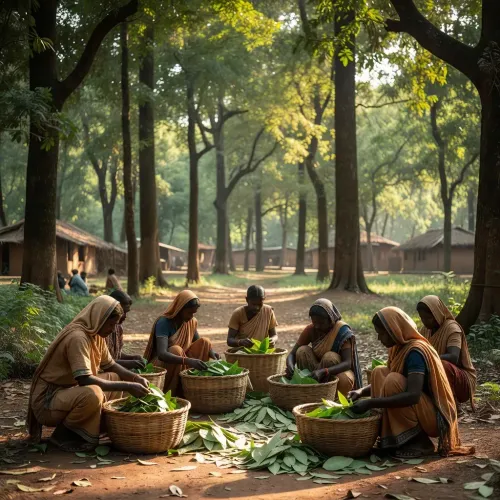
Speaking on tribal development, CM Dr. Mohan Yadav stated: 'जनजातीय भाई-बहनों का सर्वांगीण विकास हमारी प्राथमिकता है' — 'The all-round development of our tribal brothers and sisters is our priority.' He pointed to a 75 per cent bonus being given to tendu leaf collectors and the benefit of a minimum support price (MSP) on minor forest produce as evidence of that commitment.
₹1,500 a month, a roof overhead, and water from the tap
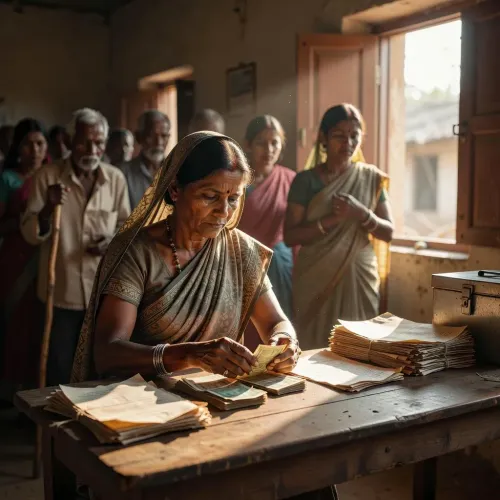
Beyond forest-economy support, the CM highlighted three further planks. Tribal women are receiving a monthly financial assistance of ₹1,500, framing it within a broader women-centric cash-transfer model the state has pursued since launching the Ladli Behna Yojana in 2023. Pucca houses — built under the Pradhan Mantri Awas Yojana framework — and tap-water connections through the Jal Jeevan Mission round out what the government is presenting as an integrated welfare package.
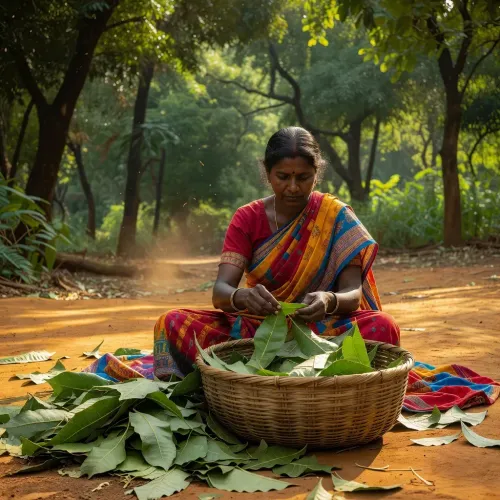
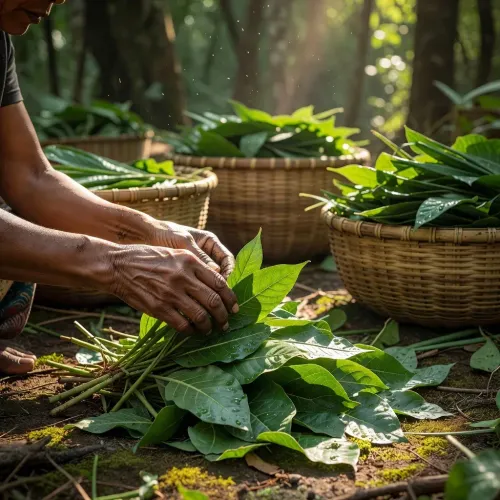
Madhya Pradesh hosts one of India's largest Scheduled Tribe populations, spread across districts like Balaghat, Mandla, Dindori, Alirajpur, and the Bastar-adjacent zones. The state's forest economy — particularly the trade in tendu leaves used to wrap bidis — has historically been the most direct lever the government can pull to put cash in tribal hands before a harvest season ends. A 75 per cent bonus on the base rate is the figure the government is now publicly anchoring its outreach on.
MSP for minor forest produce: a decade-old promise, still being scaled
The Central MSP scheme for Minor Forest Produce has been operational since 2013–14, covering items such as tendu leaves, mahua, lac, and honey. Its reach, however, has always been uneven across states and collection seasons. The Madhya Pradesh government's emphasis on MSP benefits signals a renewed push to ensure tribal collectors are actually accessing the floor price rather than selling at distress rates to local middlemen — a gap that has persisted for years in forest districts.
The Jal Jeevan Mission, launched nationally in 2019, set ambitious targets for tap-water connections in Scheduled Tribe habitations. Progress in tribal-majority blocks of Madhya Pradesh has been a key metric, with state-level implementation tracking closely watched each fiscal year.
The government's framing — bundling forest-income support with housing, water, and direct cash transfers for women — is a deliberate attempt to show tribal welfare as a comprehensive arc, not a one-line budget line. Whether the disbursement numbers on the ground match the political messaging is the question that will define the credibility of these claims heading into the next budget cycle.
Point of View
If disbursed at scale, would represent a meaningful income bump for collectors who have historically faced middleman exploitation — but the research flags this specific number as unverified, underscoring that the credibility gap between announcement and ground-level delivery remains the central risk. Madhya Pradesh's large tribal electorate makes this not just a welfare story, but a long-game political investment.
NationPress
25 Oct 2026
Frequently Asked Questions
What bonus are tendu leaf collectors getting in Madhya Pradesh in 2026?
Chief Minister Dr. Mohan Yadav has stated that tendu leaf collectors in Madhya Pradesh are being given a 75% bonus , as announced by the Chief Minister's Office on 25 October 2026.
What is the monthly financial aid for tribal women in Madhya Pradesh?
Tribal women in Madhya Pradesh are receiving ₹1,500 per month as financial assistance, a benefit the government has highlighted alongside the state's Ladli Behna Yojana framework.
What is the MSP scheme for minor forest produce in India?
The Central MSP scheme for Minor Forest Produce , operational since 2013–14 , provides a minimum support price for items such as tendu leaves, mahua, lac, and honey collected by tribal communities, shielding them from distress sales to middlemen.
How is Jal Jeevan Mission helping tribal areas of Madhya Pradesh?
The Jal Jeevan Mission , launched in 2019 , aims to provide tap water connections to rural and tribal households. Madhya Pradesh has been implementing the programme in Scheduled Tribe habitations as part of its tribal welfare agenda.
Who is the Chief Minister of Madhya Pradesh in 2026?
Dr. Mohan Yadav is the Chief Minister of Madhya Pradesh, having taken office in December 2023 . He has made tribal development and forest-economy support a stated priority of his administration.