CM Mohan Yadav to Distribute Tendu Leaf Bonus in Shahdol
Synopsis
Chief Minister Dr. Mohan Yadav is distributing tendu leaf collector bonuses and inaugurating development works in Shahdol on October 25, while also participating in Barwani's anti-addiction campaign, reflecting the state's push for regionally balanced welfare and infrastructure delivery.
Key Takeaways
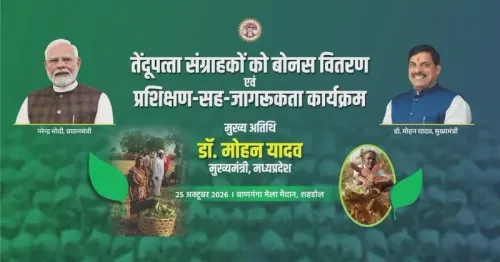
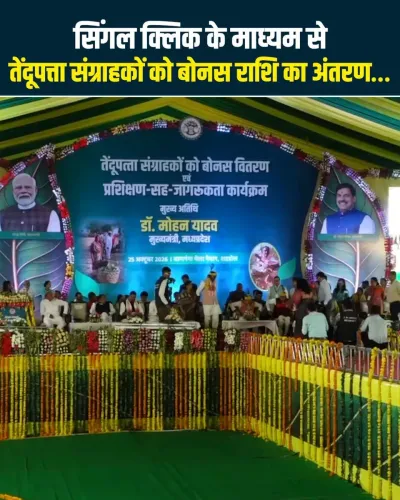
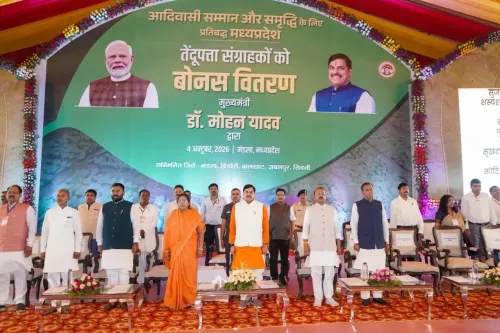
Mohan Yadav will personally distribute bonus amounts to tendu leaf collectors at a programme in Shahdol on October 25, 2026 .
Various development works will be inaugurated at the same Shahdol event, combining direct welfare with infrastructure delivery.
The CM will also participate in an anti-addiction campaign in Barwani , western Madhya Pradesh, on the same day.
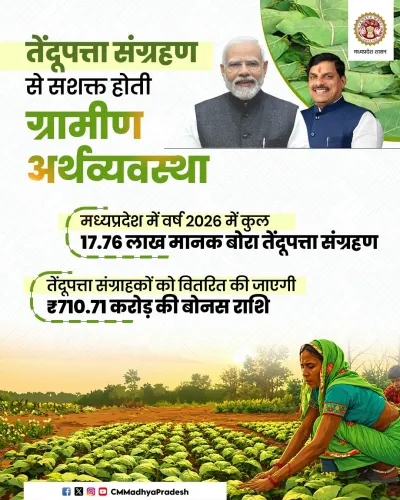
Madhya Pradesh has provided annual bonuses to tendu leaf collectors for over two decades as part of minor forest produce procurement policy.
The CM framed the day's engagements under a broader goal of 'balanced and inclusive development' covering industry, infrastructure, and tourism.
Tribal forest workers in Shahdol are set to receive government bonus payments on Sunday, October 25, 2026, as Chief Minister Dr. Mohan Yadav travels to the eastern district for a ceremony combining direct welfare transfers with the inauguration of new development works — a dual signal that the state intends to pair community income support with physical infrastructure in the same breath.
Posting on X, CM Yadav confirmed the day's agenda in clear terms: 'आज शहडोल में आयोजित कार्यक्रम में तेंदूपत्ता संग्राहकों को बोनस राशि वितरित करने के साथ ही विभिन्न विकास कार्यों की सौगात दी जाएगी' — 'Today at the programme in Shahdol, bonus amounts will be distributed to tendu leaf collectors along with the gift of various development works.' He added that the state government is 'continuously working for balanced and inclusive development across all sectors,' with specific focus on industry, infrastructure, and tourism development.
Tendu leaf collectors and decades of state support
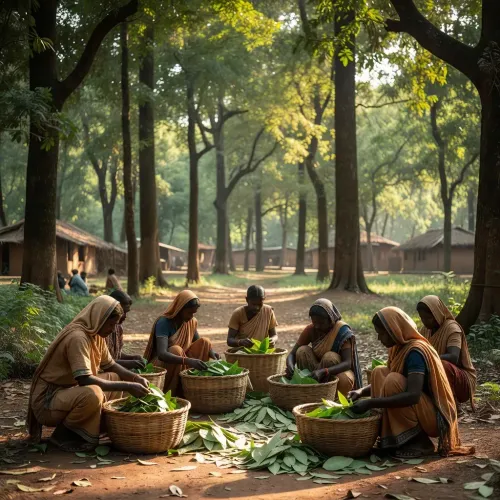
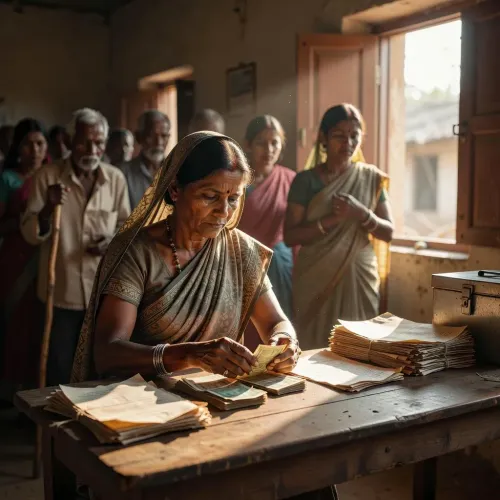
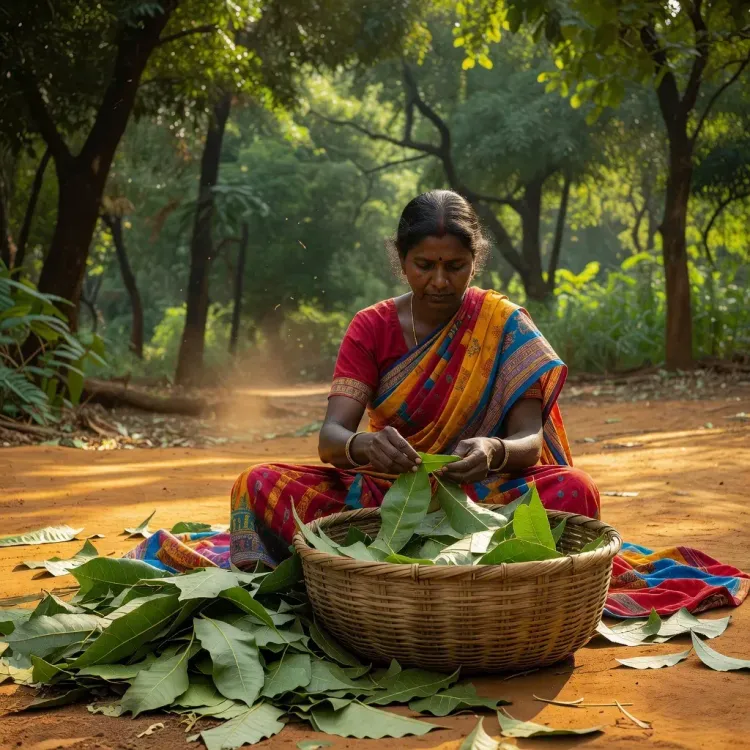
Shahdol district sits in the forested eastern belt of Madhya Pradesh, home to a significant tribal population whose seasonal livelihoods are tightly bound to the collection of tendu leaves — the wrapping material for traditional bidis. The state government has provided annual bonuses to these collectors for over two decades, treating the payment as a direct welfare transfer into one of the state's most economically vulnerable communities. For collectors who spend weeks harvesting leaves under the summer sun, the bonus is not a footnote — it is a financial anchor.
From Shahdol's forests to Barwani's anti-drug drive
The CM's schedule does not end in the east. Yadav also confirmed participation in an anti-addiction campaign in Barwani — a western Madhya Pradesh district where the state has been running active drives against substance abuse. The two engagements, separated by hundreds of kilometres and entirely different policy domains, reflect a deliberate pattern: welfare delivery in the tribal belt paired with a social campaign in a separate vulnerable district on the same day. It is the kind of regional balancing act that state governments in Madhya Pradesh have consciously pursued, stitching together eastern and western constituencies within a single political narrative of inclusive governance.
Infrastructure and tourism framed alongside tribal welfare
The CM's post frames all three pillars — welfare transfers, infrastructure, and tourism development — as parts of a single 'balanced and inclusive' push rather than isolated departmental actions. This framing is not new to Madhya Pradesh: successive governments have tried to position the state's tribal heartlands not merely as welfare recipients but as contributors to a broader growth story, with forest-based economies sitting alongside industrial corridors and heritage tourism circuits. Whether the development works announced in Shahdol on this occasion advance that ambition concretely remains to be seen — but the political intent is unmistakable.
The tendu leaf bonus, the new infrastructure gifts, and a personal appearance at an anti-drug campaign: CM Yadav is spending October 25 making sure both halves of the state know the government is showing up.
Point of View
Which BJP governments have used to maintain visibility across the state's starkly different eastern and western constituencies. The tendu leaf bonus, in particular, is a durable political instrument: it lands cash directly in the hands of a large, organised tribal collector community just as the winter legislative season approaches. Pairing it with infrastructure announcements and a social campaign allows the government to project comprehensiveness — welfare, development, and values all in one news cycle.
NationPress
25 Oct 2026
Frequently Asked Questions
What is the tendu leaf collector bonus in Madhya Pradesh?
The tendu leaf collector bonus is a periodic cash payment made by the Madhya Pradesh government to tribal and rural workers who harvest tendu leaves — the raw material used to wrap traditional bidis. The state has offered this bonus as part of its minor forest produce procurement policy for over two decades.
Why is CM Mohan Yadav visiting Shahdol on October 25, 2026?
CM Dr. Mohan Yadav is visiting Shahdol to personally distribute the tendu leaf collector bonus and to inaugurate various development works in the district, as part of the state government's balanced regional development programme.
What is the anti-addiction campaign in Barwani about?
The Madhya Pradesh government has been running an active anti-addiction campaign in Barwani district in western MP to counter substance abuse. CM Yadav confirmed he will participate in the campaign on October 25, 2026.
Who are tendu patta sangrahaks and where are they in Madhya Pradesh?
Tendu patta sangrahaks are tribal and rural collectors of tendu leaves, largely concentrated in the forested districts of Madhya Pradesh such as Shahdol, Balaghat, and Mandla. They form one of the state's largest groups of minor forest produce workers.
What is Madhya Pradesh's approach to tribal welfare and development?
Madhya Pradesh links direct welfare transfers — such as tendu leaf bonuses — with infrastructure investments and social campaigns to pursue what successive state governments have called 'balanced and inclusive development' across tribal, rural, and urban regions.