MP CM Mohan Yadav Inaugurates Rs 362 Cr Sewage Project in Jabalpur
Synopsis
Chief Minister Dr. Mohan Yadav inaugurated the ₹362 crore AMRUT 1.0 sewage project and three sewage treatment plants at Kathonda, Lalpur, and Tewar in Jabalpur on 1 August 2026, marking a major urban sanitation milestone for the Narmada basin city.
Key Takeaways
Mohan Yadav inaugurated the project at Geeta Bhavan, Jabalpur on 1 August 2026 .
The AMRUT 1.0 Sewage Project was built at a cost of over ₹362 crore .
Three state-of-the-art STPs were commissioned at Kathonda, Lalpur, and Tewar in Jabalpur.
The project is funded under the Atal Mission for Rejuvenation and Urban Transformation (AMRUT) , a central scheme launched in 2015 .
The infrastructure aims to reduce untreated sewage discharge into the Narmada river and improve urban sanitation in Jabalpur.
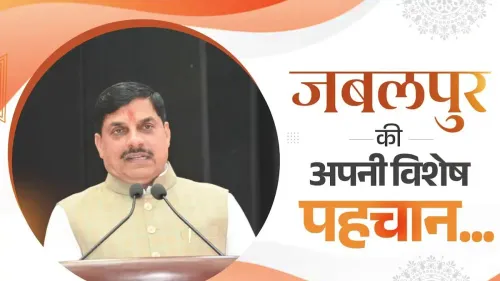
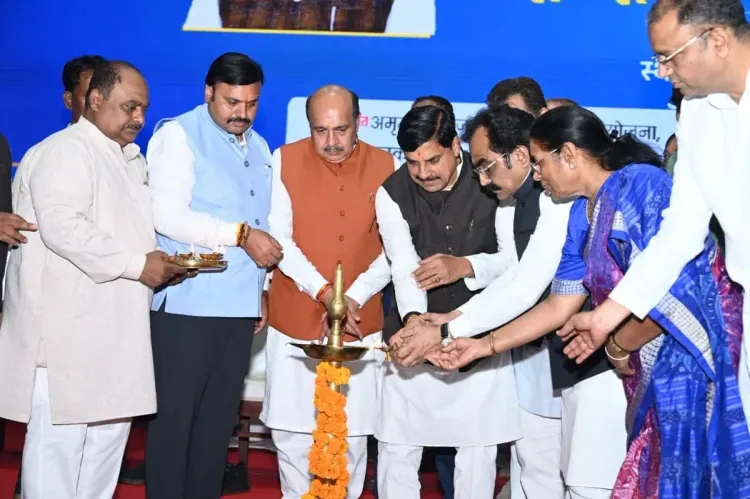
A city that sits on the banks of the Narmada just got a cleaner future. Chief Minister Dr. Mohan Yadav on Saturday, 1 August 2026, inaugurated the AMRUT 1.0 Sewage Project — built at a cost of over ₹362 crore — along with three state-of-the-art Sewage Treatment Plants (STPs) at Kathonda, Lalpur, and Tewar in Jabalpur, at a public ceremony held at Geeta Bhavan.
Three plants, one mission: what Jabalpur just unlocked
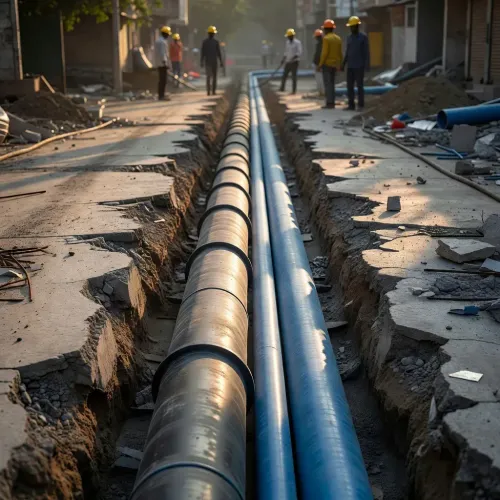
The three STPs — spread across Kathonda, Lalpur, and Tewar — represent the physical backbone of the project. Together, they form a networked sewage treatment chain designed to intercept untreated wastewater before it reaches the river system. The Chief Minister's Office described the project as 'swachh, swasth aur paryavaran-anukool Jabalpur ke nirmaan ki disha mein ek mahatvapurn kadam' — 'an important step towards building a clean, healthy, and environment-friendly Jabalpur.'
AMRUT 1.0 — the central scheme behind the infrastructure push
The project is funded under AMRUT 1.0 — the Atal Mission for Rejuvenation and Urban Transformation, launched by the Government of India in June 2015 — which earmarked investment for sewerage and water infrastructure across 500 cities, including Jabalpur. Madhya Pradesh has made Narmada basin towns a particular priority within this framework, aligning urban sanitation upgrades with national river conservation goals. The Swachh Bharat Mission (Urban), launched in 2014, runs in parallel, reinforcing the sewerage network expansion that these STPs now anchor.
What this means for Jabalpur's river and residents
Jabalpur is one of Madhya Pradesh's largest urban centres, and its proximity to the Narmada makes untreated sewage discharge a direct environmental risk. State governments across India have been racing to complete AMRUT 1.0 rollouts in tier-2 cities precisely to reduce this kind of river pollution load. For Jabalpur's residents and the urban local body, operationalising these plants closes a long-standing gap between the city's growth and its sanitation infrastructure.
With AMRUT 2.0 already in motion nationally, the question now is how quickly Madhya Pradesh integrates these completed assets into its broader river conservation and urban water management plans — and whether Jabalpur's new treatment capacity can keep pace with the city's expanding footprint.
Point of View
Who took office in December 2023, completing inherited centrally-sponsored projects is a visible governance dividend ahead of any electoral cycle. The Narmada angle matters beyond optics: river pollution from urban sewage is a politically and environmentally sensitive issue in Madhya Pradesh, and these STPs give the state a concrete answer to critics. The real test will be whether AMRUT 2.0 projects move faster — and whether operations and maintenance funding keeps these new plants running at capacity.
NationPress
1 Aug 2026
Frequently Asked Questions
What is the AMRUT 1.0 sewage project inaugurated in Jabalpur?
The AMRUT 1.0 Sewage Project is an urban sanitation infrastructure initiative built at a cost of over ₹362 crore under the central Atal Mission for Rejuvenation and Urban Transformation scheme, inaugurated in Jabalpur on 1 August 2026 by CM Dr. Mohan Yadav.
Where are the three new sewage treatment plants in Jabalpur located?
The three new state-of-the-art Sewage Treatment Plants are located at Kathonda, Lalpur, and Tewar in Jabalpur, Madhya Pradesh.
What is the AMRUT scheme and when was it launched?
AMRUT — the Atal Mission for Rejuvenation and Urban Transformation — is a Government of India scheme launched in June 2015 to fund sewerage, water supply, and urban infrastructure in 500 cities, including Jabalpur.
Who inaugurated the Jabalpur sewage project in 2026?
Chief Minister Dr. Mohan Yadav inaugurated the project at a ceremony held at Geeta Bhavan in Jabalpur on 1 August 2026.
How does this project help the Narmada river?
By treating urban sewage through the new STPs before discharge, the project reduces untreated wastewater entering the Narmada river system, directly supporting river conservation goals in Madhya Pradesh.