Pralhad Joshi backs exam integrity bill with tougher penalties

Synopsis
Union Minister Pralhad Joshi has backed the Public Examinations (Prevention of Unfair Means) Amendment Bill, 2026, which proposes tougher penalties and stricter enforcement to combat paper leaks — building on the landmark 2024 Act passed after the NEET and JEE crises.
Key Takeaways
Pralhad Joshi endorsed the Public Examinations (Prevention of Unfair Means) Amendment Bill, 2026 on August 1, 2026 .
The bill promises 'tougher penalties, enhanced accountability and stricter enforcement' against paper leaks.
It amends the original Public Examinations (Prevention of Unfair Means) Act, 2024 , passed after high-profile NEET and JEE paper leak scandals.
The National Testing Agency (NTA) and other exam bodies are key institutional stakeholders in the bill's enforcement scope.
Parliamentary passage and notification of enhanced penalties remain the critical next steps.
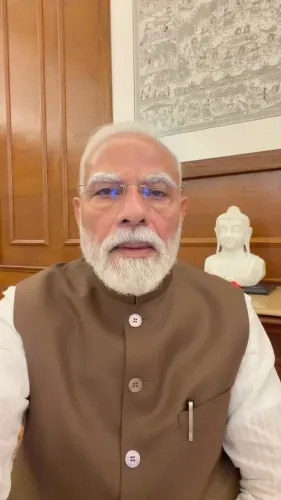
India's examination system has been rocked by paper leaks that robbed millions of students of a fair shot — and now Parliament is being asked to hit back harder. Union Consumer Affairs Minister Pralhad Joshi on Saturday, August 1, 2026, backed the Public Examinations (Prevention of Unfair Means) Amendment Bill, 2026, calling it 'a decisive step towards safeguarding merit, ensuring transparency and restoring trust in India's examination system.'
From NEET to NTA: the leak crisis that forced Parliament's hand
The original Public Examinations (Prevention of Unfair Means) Act, 2024 was itself a legislative response to a wave of high-profile paper leaks — most visibly in NEET and JEE — that triggered nationwide protests and a crisis of confidence in the National Testing Agency (NTA). That law introduced criminal penalties for organised cheating and paper theft for the first time in Indian statute. The 2026 Amendment Bill builds on that foundation, with Joshi pointing to 'tougher penalties, enhanced accountability and stricter enforcement' as its three pillars.
What the amendment targets
While the specific provisions of the Amendment Bill are pending parliamentary disclosure, the legislative intent is clear: close the gaps that allowed repeat offenders and organised syndicates to exploit the existing framework. Joshi's post frames the bill not as a patch but as a structural upgrade — one aimed at both deterrence and institutional accountability across exam bodies. Every student who has ever sat a competitive exam in India knows the stakes: a single leaked paper can erase years of preparation and tilt the field irreversibly.
What to watch as the bill moves forward
The bill's passage through Parliament and the subsequent notification of enhanced penalties will be the real test of its teeth. Watchpoints include whether the NTA faces direct statutory accountability under the amended law, and whether penalties are scaled to target the organised networks — not just individual candidates caught with chits. Joshi's hashtag #EducationReforms signals the government intends to position this as part of a broader reform arc, not a one-off response to scandal.
For the millions who will sit NEET, JEE, UPSC and other national exams in the coming cycle, the question is simple: will this amendment finally make the system cheat-proof? Parliament's next move will answer that.
Point of View
And the original Act was as much a damage-control measure as a reform. By returning to Parliament with an amendment so soon, the government is signalling that the 2024 law's deterrent effect was insufficient. Joshi's framing — 'safeguarding merit' and 'restoring trust' — is deliberate: it repositions the BJP on an issue where it was badly bruised in 2024. The real test is institutional: whether the NTA itself faces structural reform under the amended law, or whether enhanced penalties remain a paper tiger without enforcement overhaul.
NationPress
16 Sept 2026
Frequently Asked Questions
What is the Public Examinations Amendment Bill 2026?
The Public Examinations (Prevention of Unfair Means) Amendment Bill, 2026 is a proposed law that strengthens the existing 2024 Act with tougher penalties, enhanced accountability, and stricter enforcement to prevent paper leaks in national competitive examinations.
What was the original Public Examinations Act 2024?
The Public Examinations (Prevention of Unfair Means) Act, 2024 was passed by Parliament to criminalise malpractice and paper leaks in public exams, following major controversies involving NEET and JEE in 2024.
Why did India need a new exam integrity law?
Repeated paper leaks in high-stakes exams like NEET and JEE in 2024 triggered nationwide protests and exposed systemic gaps in exam security, making stronger legal deterrents and institutional accountability necessary.
What will happen to the NTA under the new bill?
The specific provisions regarding the National Testing Agency are subject to parliamentary disclosure, but the bill broadly targets enhanced accountability for exam bodies alongside tougher penalties for organised cheating networks.
When will the Public Examinations Amendment Bill 2026 become law?
The bill must pass both Houses of Parliament and receive presidential assent before becoming law; its current parliamentary status and timeline have not yet been officially announced.