Pralhad Joshi backs PM Modi's zero-tolerance stand on paper leaks
Synopsis
Union Minister Pralhad Joshi has backed PM Modi's renewed pledge to eliminate paper leaks and strengthen examination transparency, invoking the Viksit Bharat vision. The statement follows the 2024 Public Examinations Act enacted after NEET and UGC-NET controversies shook student confidence nationwide.
Key Takeaways
Union Minister Pralhad Joshi publicly amplified PM Modi's commitment to zero tolerance for paper leaks on July 31, 2026 .
The government enacted the Public Examinations (Prevention of Unfair Means) Act, 2024 to criminalise paper leaks in public exams.
The pledge is framed as integral to the Viksit Bharat national vision targeting a developed India by 2047 .
Reported irregularities in NEET and UGC-NET in 2024 triggered the legislative response and ongoing calls for NTA reform.
Implementation of the 2024 Act and structural reforms to the National Testing Agency remain key benchmarks to watch.
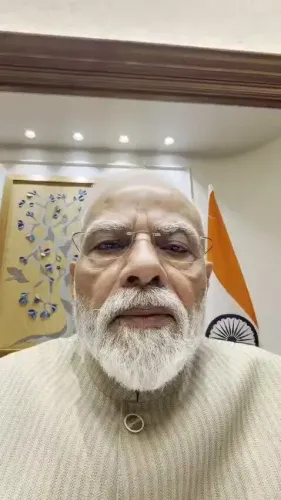
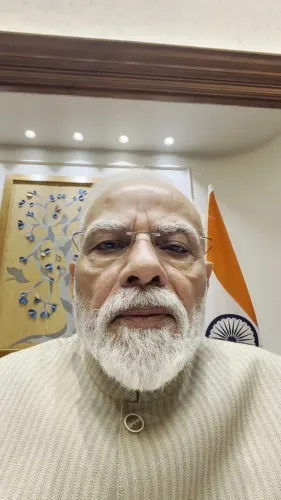
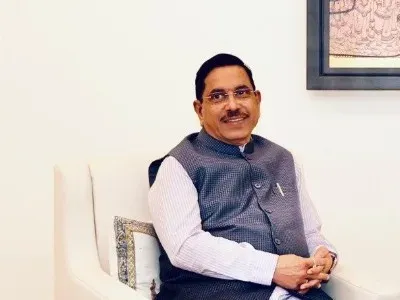
A government's credibility is tested not by the exams it conducts, but by the ones it refuses to let be stolen. Union Consumer Affairs Minister Pralhad Joshi amplified Prime Minister Narendra Modi's renewed commitment on Thursday, July 31, 2026, to eradicating paper leaks and restoring trust in India's examination system — a promise that carries the weight of millions of aspirants who have seen years of preparation wiped out overnight.
Joshi's post underlined what he called the government's 'unwavering resolve' to eliminate paper leaks, strengthen examination transparency, and protect 'every deserving student's hard work' — framing the fight against malpractice as a pillar of the Viksit Bharat vision for a developed India by 2047.
The 2024 law that changed the stakes
The political messaging does not exist in a vacuum. In 2024, Parliament enacted the Public Examinations (Prevention of Unfair Means) Act, a landmark piece of legislation that for the first time created specific criminal liability for paper leaks and unfair practices in public examinations. The law was a direct response to a crisis of confidence that had shaken the country's testing infrastructure — most acutely felt after reported irregularities in NEET and UGC-NET examinations rattled millions of students and their families. Those incidents exposed how deeply a single compromised question paper can corrode public trust — not just in an exam board, but in the idea that merit alone determines a young person's future.NTA reform and what students are watching
With the law now on the books, the scrutiny has shifted to implementation. The National Testing Agency (NTA), the body at the centre of the 2024 controversy, remains under the microscope. Students and civil society groups have pressed for structural reforms — independent oversight, end-to-end digital audit trails, and tighter protocols around question-paper printing and distribution. PM Modi's reiterated resolve, echoed by Joshi, signals that the political will to follow through remains alive. Whether that translates into institutional overhaul at the NTA and consistent enforcement of the 2024 Act is the question every coaching-class aspirant from Kota to Patna is waiting to have answered. For a country where a single government job or medical-college seat can transform a family's trajectory across generations, the integrity of an exam is not a bureaucratic detail. It is a social contract. The government has signed it in law — now comes the harder part of keeping it.Point of View
The BJP is attempting to convert an administrative failure into a reform narrative. The real test of that narrative, however, lies in whether the 2024 Act is actively prosecuted and whether the NTA undergoes credible structural change. Absent those outcomes, the messaging risks being read as repetition rather than resolution.
NationPress
14 Sept 2026
Frequently Asked Questions
What is the Public Examinations (Prevention of Unfair Means) Act 2024?
It is a central law enacted in 2024 that creates specific criminal liability for paper leaks and unfair practices in public examinations, introduced after reported irregularities in NEET and UGC-NET.
What did Pralhad Joshi say about paper leaks?
Minister Pralhad Joshi backed PM Modi's stated commitment to eliminating paper leaks, strengthening examination transparency, and protecting students' hard work as part of the Viksit Bharat vision.
What happened in the NEET paper leak controversy?
In 2024, reported irregularities in the NEET and UGC-NET examinations triggered widespread protests and a crisis of confidence in India's national testing infrastructure, prompting legislative and administrative responses.
What is Viksit Bharat and how does it relate to exam integrity?
Viksit Bharat is the government's national vision for a developed India by 2047. Officials have framed fair, transparent examinations as a foundational element of building the skilled, merit-based workforce that vision requires.
What reforms are being demanded for the National Testing Agency?
Students and civil society groups have called for independent oversight, digital audit trails for question papers, and tighter printing and distribution protocols at the NTA following the 2024 controversies.