Pralhad Joshi: PM Modi Vows Strictest Action on Exam Fraud
Synopsis
Union Consumer Affairs Minister Pralhad Joshi on 24 July 2026 backed Prime Minister Modi's firm stance that those jeopardising student futures through examination fraud will face the strictest punishment, reinforcing the government's legislative and investigative push to secure national competitive examinations.
Key Takeaways
Pralhad Joshi on 24 July 2026 publicly amplified PM Narendra Modi 's warning that no one guilty of examination malpractice will be spared.
The post declared that 'every student deserves a fair opportunity' and promised the 'strictest punishment' for the guilty.
The Public Examinations (Prevention of Unfair Means) Act, 2024 introduced imprisonment and heavy fines for paper leaks and related offences.
The National Testing Agency (NTA) conducts major national exams including NEET and JEE , which are at the centre of exam-integrity concerns.
Central investigative agencies have previously been deployed to dismantle organised paper-leak networks.
Parliamentary updates on the 2024 Act 's enforcement and new NTA security protocols are expected in upcoming sessions.
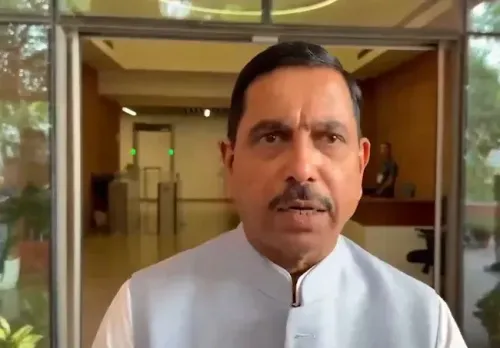
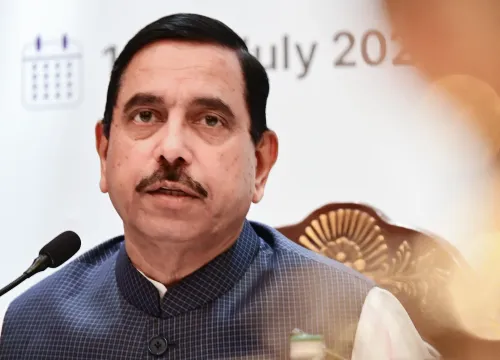
Union Consumer Affairs Minister Pralhad Joshi on Friday, 24 July 2026, amplified Prime Minister Narendra Modi's warning that no one who jeopardises the future of India's youth will be spared, calling for the strictest punishment for those found guilty of examination malpractice. The statement, posted on X, underscores the central government's continued resolve to protect the integrity of national competitive examinations.
Context
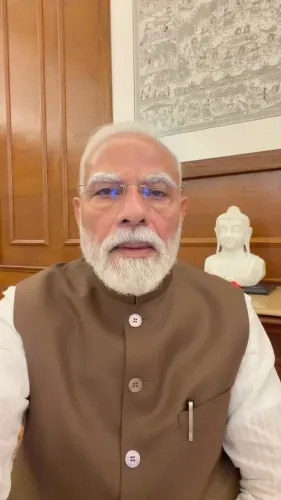
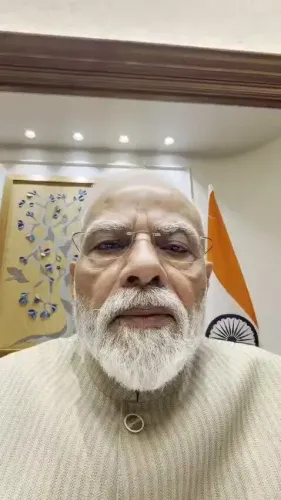
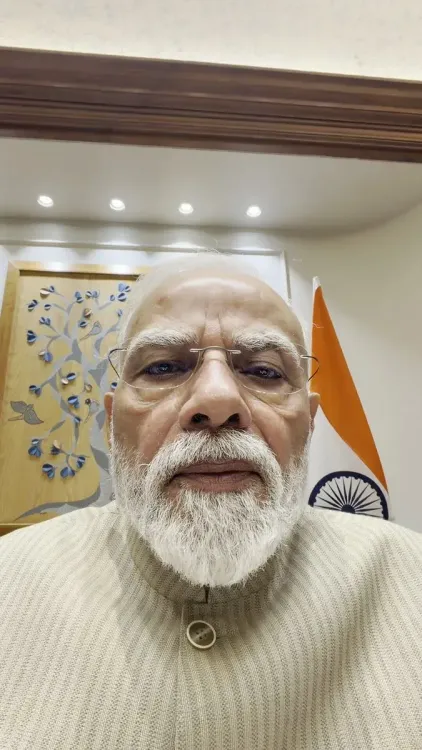
In his post, Joshi quoted the Prime Minister's position directly: 'The message from Hon'ble Prime Minister Shri Narendra Modi Ji is loud and clear: no one will be spared for jeopardizing the future of our youth.' He added that 'every student deserves a fair opportunity and the guilty will be brought to justice with the strictest punishment.' The post was accompanied by a video, signalling that the message was intended for wide circulation.
While the specific trigger for the statement could not be independently confirmed at the time of publication, the remarks align with a broader pattern of senior government leaders publicly reaffirming zero tolerance toward examination fraud, particularly in the context of high-stakes national entrance tests.
Policy Backdrop
The central government enacted the Public Examinations (Prevention of Unfair Means) Act, 2024, which introduced stringent penalties — including imprisonment and heavy fines — for offences such as paper leaks, impersonation, and other malpractices in public examinations. The legislation was a direct legislative response to concerns that surfaced prominently after 2023, when irregularities in several national-level tests triggered widespread student protests and legal challenges.
The National Testing Agency (NTA), the autonomous body under the Ministry of Education responsible for conducting major entrance examinations including NEET and JEE, has been at the centre of scrutiny over examination security. The government has since announced multiple rounds of procedural reforms to tighten question-paper handling, centre-level oversight, and digital security protocols.
Prime Minister Modi has on several occasions stressed merit-based opportunity as a cornerstone of his administration's education agenda, framing examination integrity as a matter of social justice for aspirants from all economic backgrounds.
Stakeholders and Impact
The primary stakeholders are the millions of students who appear annually for competitive examinations — including NEET for medical admissions and JEE for engineering colleges — where a single paper leak can invalidate months of preparation and skew access to professional education. For students from rural and low-income households, these examinations often represent the only pathway to upward mobility.
Beyond students, coaching institutes, universities, and state-level examination boards are watching how the central government enforces the 2024 Act. Conviction of exam-fraud accused under the new law would set a precedent for deterrence across both central and state examination bodies. Central investigative agencies have been deployed in past cases to trace organised networks behind paper leaks.
What's Next
Parliamentary sessions are expected to see updates on the enforcement record of the Public Examinations (Prevention of Unfair Means) Act, 2024, as well as possible proposals for further security reforms. The NTA is also expected to roll out new examination-cycle protocols ahead of upcoming NEET and JEE cycles, including enhanced digital safeguards and third-party audits of examination centres.
With senior ministers publicly amplifying the Prime Minister's warning, the political signal is clear: accountability in examination administration will remain a high-visibility issue for the central government, and further enforcement actions could follow in the near term.
Point of View
A theme that has resonated deeply with India's vast aspirational class. The timing and the accompanying video suggest a coordinated messaging effort, not a spontaneous reaction. By invoking the 2024 legislation and the deployment of central agencies, the government is reminding voters that it has both the legal tools and the political will to act. This positions examination integrity not merely as an administrative issue but as a social-justice plank ahead of any upcoming electoral cycle.
NationPress
22 Oct 2026
Frequently Asked Questions
What did Pralhad Joshi say about exam fraud on 24 July 2026?
Pralhad Joshi stated that PM Modi's message is clear — no one who jeopardises the future of India's youth will be spared — and that the guilty will be brought to justice with the strictest punishment.
What is the Public Examinations (Prevention of Unfair Means) Act, 2024?
It is a central law that prescribes stringent penalties including imprisonment and heavy fines for paper leaks, impersonation, and other malpractices in public examinations conducted by bodies like the NTA.
What is the NTA and why is it under scrutiny?
The National Testing Agency is the autonomous body under the Ministry of Education that conducts NEET and JEE; it has faced scrutiny over examination security lapses and paper-leak allegations since 2023.
How does examination fraud affect students in India?
Paper leaks and malpractice invalidate months of preparation for millions of aspirants, disproportionately harming students from rural and low-income backgrounds for whom national entrance exams are the primary route to professional education.
What reforms are expected for NEET and JEE examination security?
The NTA is expected to introduce enhanced digital safeguards, stricter question-paper handling protocols, and third-party audits of examination centres for upcoming NEET and JEE cycles.