MP CM Mohan Yadav Transfers ₹30 Cr Bonus to 3.69 Lakh Tendu Leaf Collectors
Synopsis
Chief Minister Dr. Mohan Yadav presided over a direct transfer of over ₹30 crore in tendu leaf bonus payments to 3.69 lakh collectors at Police Ground, Betul, reinforcing Madhya Pradesh's state policy of routing forest-trade revenues back to tribal and forest-dwelling households.
Key Takeaways
₹30 crore-plus in tendu leaf bonus payments transferred directly to collectors on 31 October 2026 .
3.69 lakh tendu leaf collectors received the payout at a ceremony at Police Ground, Betul, Madhya Pradesh .
Mohan Yadav presided as chief guest, signalling direct political ownership of the welfare initiative.
Madhya Pradesh operates a standing policy of returning a share of tendu leaf trade revenues to primary collectors as an annual bonus.
The workforce is drawn largely from tribal and forest-dwelling communities , for whom the bonus is a key annual cash transfer.
The direct-transfer format is designed to minimise leakage and ensure the money reaches individual collectors.
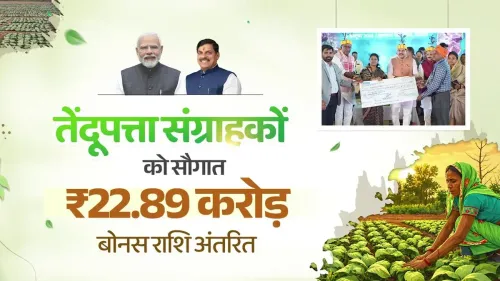
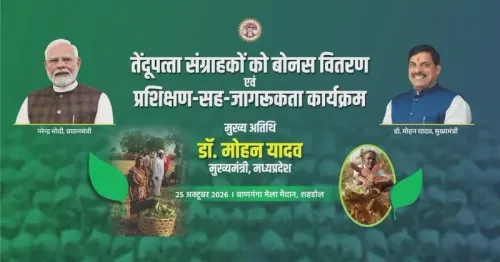
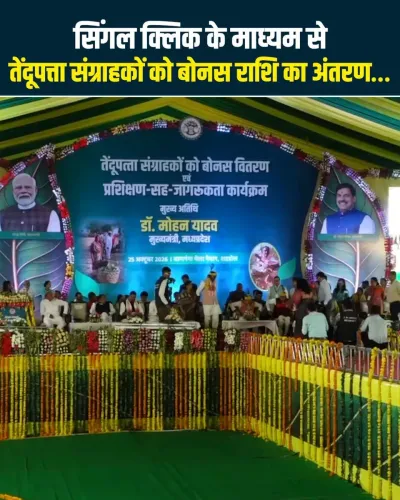
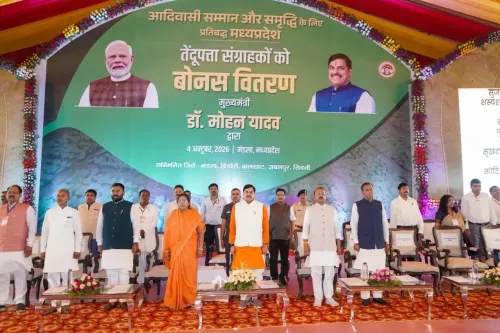
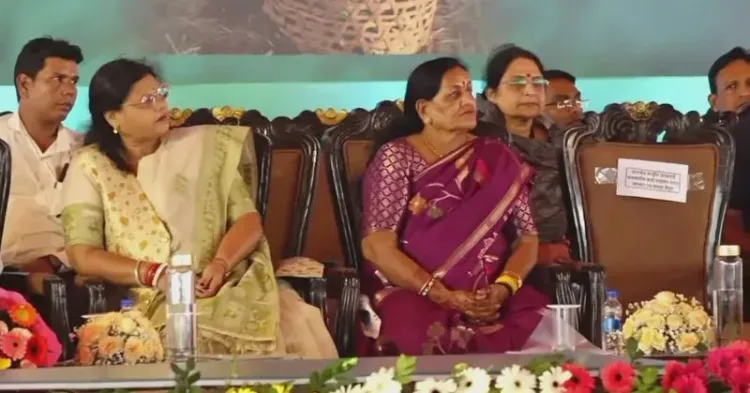
For hundreds of thousands of tribal families across Madhya Pradesh's forests, Saturday, 31 October 2026 brought a direct deposit — and a rare moment of state recognition. The Chief Minister's Office of Madhya Pradesh announced that Chief Minister Dr. Mohan Yadav presided over a bonus transfer ceremony at Police Ground, Betul, channelling more than ₹30 crore in bonus payments to 3.69 lakh tendu leaf collectors across the state.
What the Betul ceremony delivered
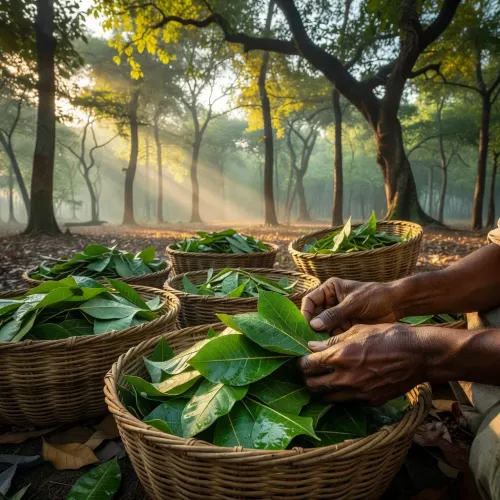
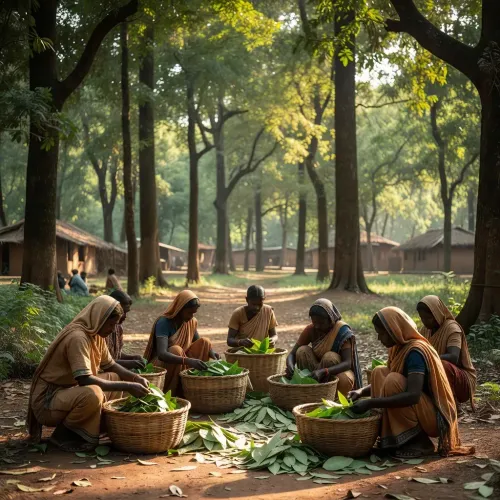
The event, held under CM Yadav's chief-guest presence, marked the direct transfer of bonus earnings to collectors who harvest tendu patta — the broad leaf used to roll India's traditional bidis. Under Madhya Pradesh's established system, a share of the revenue generated from the state's tendu leaf trade is cycled back to the primary collectors as an annual bonus, supplementing incomes that are otherwise tied to the rhythms of forest seasons. Betul district, the chosen venue, sits at the heart of MP's forest belt — an area where tendu collection is not a side activity but a livelihood anchor for tribal and forest-dwelling households. Hosting the ceremony there carried a clear signal: the state government is taking the payout to the collectors, not the other way around.Tendu leaf, tribal income, and Madhya Pradesh's forest economy
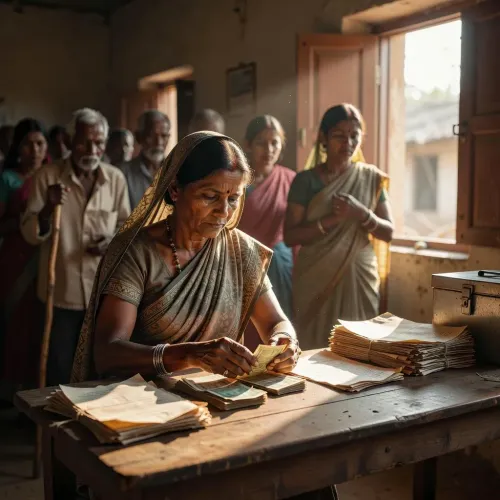
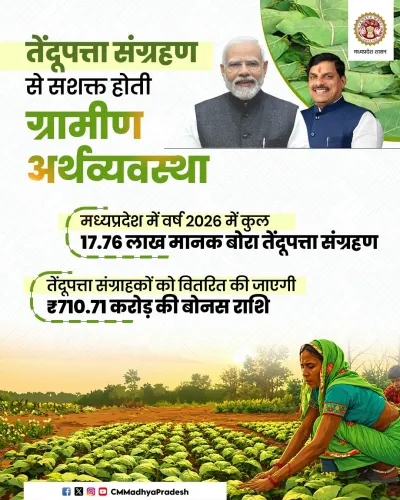
Madhya Pradesh accounts for a significant share of India's total tendu leaf output, and the collection workforce is overwhelmingly drawn from tribal communities and vanvasi (forest-dwelling) households. Every summer, millions of leaves are gathered by hand, bundled, and sold through a state-managed procurement system — a process that makes the annual bonus one of the few guaranteed cash payouts many collectors receive in a year. The bonus mechanism has been sustained across successive state governments, reflecting a broad political consensus that forest-produce revenues must loop back to the people doing the collecting. The scale of Saturday's transfer — ₹30 crore-plus reaching 3.69 lakh individuals — underscores just how large that workforce is, and how consequential the annual payout is at the household level.CM Mohan Yadav's forest-welfare push
Dr. Mohan Yadav, who took charge as Chief Minister in December 2023, has positioned direct-benefit transfers and tribal welfare as signature commitments of his administration. Appearing in person at Betul — rather than delegating a departmental function — places the tendu bonus squarely in the frame of political outreach to a constituency that is numerically significant and electorally attentive in Madhya Pradesh's tribal belt. The direct-transfer format also matters administratively: routing the bonus straight to collectors' accounts reduces intermediary leakage, a persistent concern in minor forest produce supply chains. For 3.69 lakh families, the numbers are personal. For the state government, the optics are deliberate. The real test, as always, will be whether the next collection cycle brings higher procurement prices — not just a better bonus on a lower base.Point of View
And the tendu bonus is one of the few state-managed instruments that touches over three lakh households in a single transaction. By maintaining and publicising the direct-transfer mechanism, the BJP government is also drawing a contrast with concerns about intermediary leakage in older procurement models. The broader arc points toward a state increasingly using forest-produce economics as a tribal-welfare platform, though the long-term test remains whether procurement prices keep pace with inflation.
NationPress
31 Oct 2026
Frequently Asked Questions
What is the tendu leaf bonus in Madhya Pradesh?
The tendu leaf bonus is an annual payment made by the Madhya Pradesh government to primary collectors, distributing a portion of the revenue earned from the state-managed sale of tendu leaves — the key ingredient in hand-rolled bidis. It supplements incomes of tribal and forest-dwelling households who harvest the leaves each summer.
How much bonus was transferred to tendu leaf collectors in 2026?
The Madhya Pradesh government transferred more than ₹30 crore in bonus payments to 3.69 lakh tendu leaf collectors at the Betul ceremony on 31 October 2026.
Who are tendu leaf collectors in Madhya Pradesh?
Tendu leaf collectors are mostly tribal and forest-dwelling households who gather tendu leaves by hand during the summer harvest season. Madhya Pradesh has one of the largest tendu-collecting workforces in India, with the activity serving as a critical seasonal income source.
Why was the tendu bonus event held in Betul?
Betul is a district in Madhya Pradesh with significant forest cover and a large tendu-collecting community. Hosting the transfer ceremony there allowed CM Dr. Mohan Yadav to deliver the announcement directly in a region where forest livelihoods are central to the local economy.
What is the role of the Madhya Pradesh government in tendu leaf trade?
The state government manages tendu leaf procurement through a regulated system, setting collection targets and pricing. A share of the trade proceeds is returned to primary collectors as an annual bonus — a policy maintained across successive governments to support tribal and rural forest-worker incomes.