MP CM Yadav Pitches Textile, Gas and Petrochem Push
Synopsis
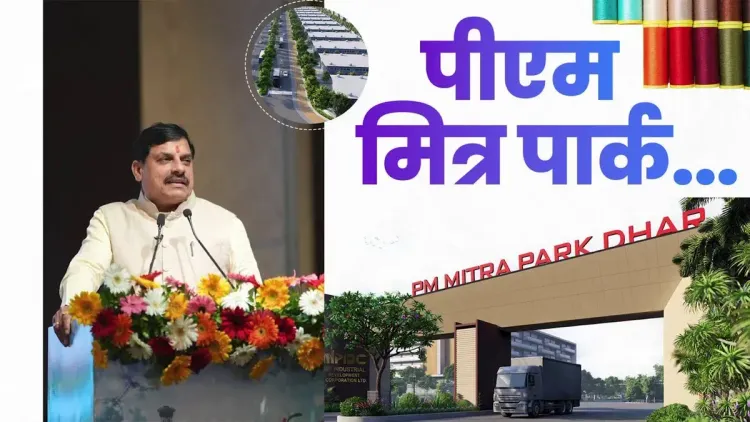
Chief Minister Dr. Mohan Yadav says PM MITRA Park is building MP's textile identity while a gas processing project in Vijaypur and a petrochemical project in Sehore expand industrial and employment opportunities, backed by power, water, land, and plug-and-play facilities.
Key Takeaways
PM MITRA Park is being positioned as the anchor of Madhya Pradesh's new identity in the textile manufacturing sector.
A modern gas processing project in Vijaypur and a petrochemical project in Sehore are cited as drivers of industrial growth and new employment.
Mohan Yadav highlighted that industries are being provided electricity, water, land, plug-and-play facilities, and investment-friendly policies.
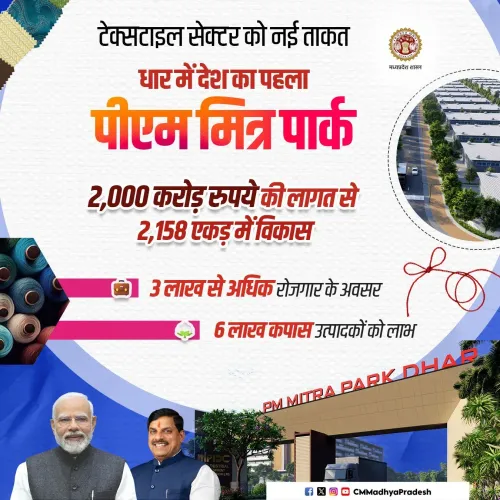
The PM MITRA scheme was approved by the Union Cabinet in 2021 to set up seven mega integrated textile parks across India.
Madhya Pradesh is combining central scheme benefits with state-level infrastructure incentives to compete as an emerging industrial destination.
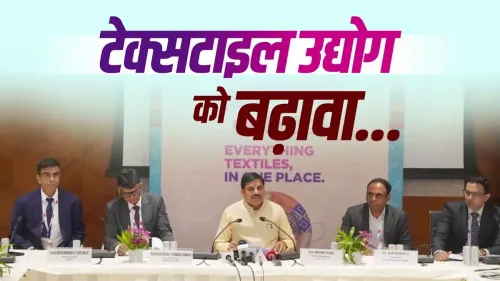
Textiles, gas processing, and petrochemicals — Madhya Pradesh is stacking industrial bets across three sectors at once, and Chief Minister Dr. Mohan Yadav wants investors to know the state is ready. On Thursday, 22 October 2026, the Chief Minister's Office of Madhya Pradesh quoted CM Yadav on X, outlining a multi-pronged industrial drive anchored around the PM MITRA Park, a modern gas processing project in Vijaypur, and a petrochemical project in Sehore.
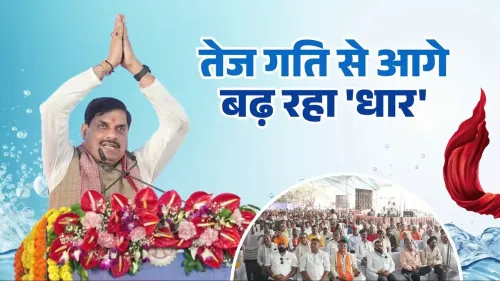
CM Yadav said the PM MITRA Park is giving Madhya Pradesh 'a new identity in the textile sector' — टेक्सटाइल क्षेत्र में नई पहचान — while the Vijaypur and Sehore projects are 'opening new avenues for industrial development and employment in the state.' He added that industries are being provided with electricity, water, land, plug-and-play facilities, and investment-friendly policies.
PM MITRA and the textile ambition behind it
The PM MITRA (PM Mega Integrated Textile Regions and Apparel) scheme was approved by the Union Cabinet in 2021 to establish seven mega integrated textile parks across India, aiming to create a globally competitive manufacturing ecosystem under one roof — from fibre to fashion. Madhya Pradesh secured a slot in that national rollout, and CM Yadav's statement signals the state's intent to leverage the park as a centrepiece of its manufacturing identity.
Integrated parks of this kind are designed to reduce logistics costs, attract anchor investors, and build deep supplier ecosystems — all reasons several other Indian states have raced to bid for similar central-scheme designations. For a landlocked state like Madhya Pradesh, demonstrating plug-and-play readiness on power, water, and land is critical to competing for footloose textile investment.
Vijaypur gas and Sehore petrochemicals: diversifying the base
Alongside textiles, the CM's statement highlights a modern gas processing project at Vijaypur and a petrochemical project at Sehore — both framed as employment multipliers for the state. Petrochemical and gas-processing facilities typically anchor downstream industrial clusters, creating demand for ancillary manufacturing and skilled trades across a wide radius.
The pairing of a central textile scheme with state-driven energy and chemicals investments reflects a broader pattern visible across several Indian states: building a diversified manufacturing base rather than betting on a single sector. Madhya Pradesh, which sits at India's geographic centre, has been positioning itself as an emerging industrial destination by combining central-scheme benefits with state-level incentives.
The infrastructure pitch: power, water, land, and policy
CM Yadav's enumeration of specific enablers — electricity, water, land, plug-and-play infrastructure, and investment-friendly policies — reads as a direct pitch to industrial investors. 'Plug-and-play' in Indian industrial-policy language means pre-built common infrastructure where a factory can begin operations without spending years laying basic utilities. It is a metric investors increasingly use to shortlist states before committing capital.
The state's ability to convert these commitments into actual commissioning timelines and employment numbers at Vijaypur and Sehore will be the real test — and one that analysts and investors will watch closely in the months ahead.
Point of View
Not just chasing a single-sector boom. The plug-and-play infrastructure pitch is now table stakes in the competition among Indian states for manufacturing investment, and MP is explicitly positioning itself in that race. The real political and policy dividend will hinge on whether Vijaypur and Sehore move from announcement to commissioning — and how quickly verifiable employment numbers emerge. Until then, the statement is best read as an investor-relations exercise ahead of what is likely a broader investment-attraction push by the Yadav government.
NationPress
22 Oct 2026
Frequently Asked Questions
What is PM MITRA Park and what does it mean for Madhya Pradesh?
PM MITRA stands for PM Mega Integrated Textile Regions and Apparel. The Union Cabinet approved the scheme in 2021 to set up seven mega integrated textile parks across India. Madhya Pradesh secured one of these parks, and CM Yadav says it is giving the state a new identity in the textile sector by attracting manufacturing and creating employment.
What is the Vijaypur gas processing project in Madhya Pradesh?
The Vijaypur gas processing project is described by the Chief Minister's Office as a modern gas processing facility being developed in Vijaypur, Madhya Pradesh, aimed at boosting industrial development and employment in the state. Specific commissioning timelines have not been officially confirmed.
What is the Sehore petrochemical project?
The Sehore petrochemical project is a planned industrial facility in Sehore district, Madhya Pradesh, cited by CM Mohan Yadav alongside the Vijaypur gas project as a key driver of new industrial and employment opportunities in the state.
What industrial facilities and incentives is Madhya Pradesh offering investors?
According to CM Dr. Mohan Yadav, Madhya Pradesh is providing industries with electricity, water, land, plug-and-play infrastructure, and investment-friendly policies to attract industrial investment and accelerate job creation in the state.
Who is Dr. Mohan Yadav and when did he become Chief Minister of Madhya Pradesh?
Dr. Mohan Yadav has been the Chief Minister of Madhya Pradesh since December 2023. He has overseen the state's industrial and infrastructure push, including the PM MITRA textile park and energy sector projects.