MP CM's Office marks 12 years of Modi govt, highlights PMAY housing

Synopsis
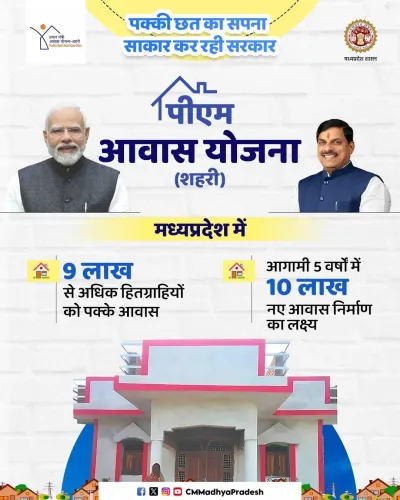
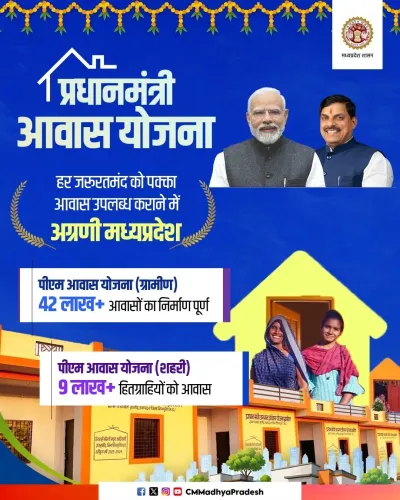
The Chief Minister's Office of Madhya Pradesh marked 12 years of the Modi government on June 10, 2026, crediting the Pradhan Mantri Awas Yojana with delivering permanent homes to every needy family. The post is part of a nationally coordinated BJP campaign under the hashtag #12YearsOfGaribKalyan.
Key Takeaways
The Chief Minister's Office of Madhya Pradesh posted on June 10, 2026 , marking 12 years of the Modi government at the Centre.
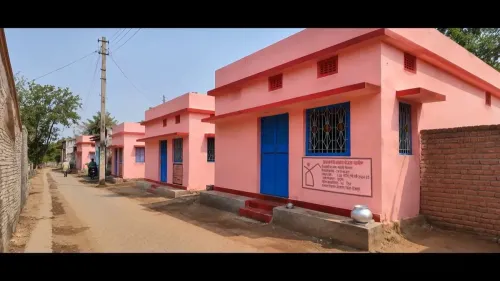
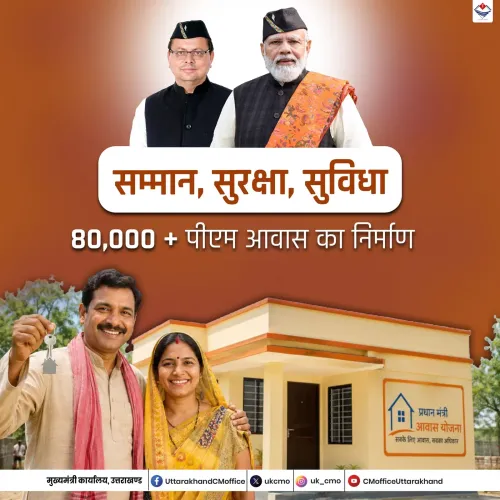
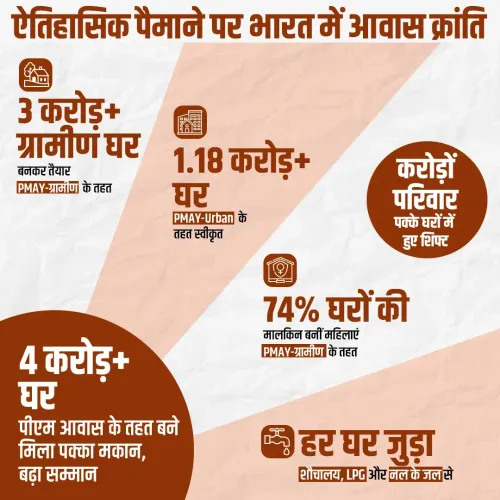
The post highlighted Pradhan Mantri Awas Yojana (PMAY) as the flagship welfare achievement, crediting it with providing pucca homes to every needy family.
PMAY was launched in June 2015 , restructuring the earlier Indira Awas Yojana, with an original target of 2.95 crore rural houses.
The post is part of a nationally coordinated campaign under hashtags #12YearsOfGaribKalyan and #12YearsOfSeva .
Madhya Pradesh has been an active implementation state for PMAY, running saturation drives in identified districts since 2016 .
Updated PMAY completion data from the Ministry of Rural Development and fresh budget targets are expected to be watched closely.
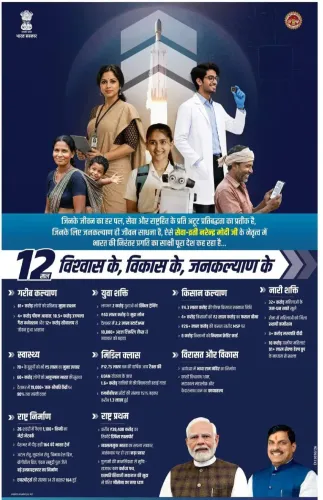
The Chief Minister's Office of Madhya Pradesh on Wednesday, June 10, 2026, marked 12 years of the Narendra Modi-led government at the Centre, highlighting the Pradhan Mantri Awas Yojana (PMAY) as a symbol of the administration's commitment to welfare, development, and public service. The official post described the period as one of 'vishwas, vikas, aur jankалyan' — trust, development, and people's welfare — and credited PMAY with ensuring that every needy family has received a pucca (permanent) home.
Context
The post, shared from the official @CMMadhyaPradesh account, is part of coordinated messaging across BJP-governed states marking the completion of 12 years of the Modi government, which first took office in May 2014. The hashtags #12YearsOfGaribKalyan and #12YearsOfSeva indicate a nationally organised communication campaign. The post also tagged Chief Minister Mohan Yadav, the Prime Minister's Office, and the Ministry of Rural Development, signalling institutional alignment across levels of government.
The post's original Hindi reads: '12 saal vishwas ke, vikas ke, jankалyan ke' — translated as '12 years of trust, of development, of public welfare.' It further describes Prime Minister Modi's work as a 'rashtra seva ka sankalp' — a resolve for national service.
Policy Backdrop
Pradhan Mantri Awas Yojana was launched in June 2015 by restructuring the earlier Indira Awas Yojana, with separate verticals for rural (PMAY-Gramin) and urban (PMAY-Urban) beneficiaries. The scheme originally set a target of constructing 2.95 crore rural houses by 2022, a deadline that was subsequently extended with additional phases to address remaining demand. The Ministry of Rural Development administers the Gramin component in coordination with state governments.
Madhya Pradesh, a BJP-governed state with a large rural population, signed implementation agreements with the Centre and launched saturation drives in identified districts from 2016 onward. The state has consistently featured PMAY progress in official communications as evidence of delivery on central welfare priorities.
Stakeholders and Impact
The primary beneficiaries of PMAY are rural households and urban poor families who previously lacked permanent housing. The scheme provides financial assistance directly to eligible beneficiaries for house construction, with funds transferred through direct benefit transfer mechanisms to reduce leakage. State rural development departments play a critical role in beneficiary identification, construction monitoring, and quality verification.
Housing has been positioned by the BJP alongside schemes such as Pradhan Mantri Ujjwala Yojana and Jan Dhan Yojana as a visible pillar of what the party terms 'Garib Kalyan' — welfare for the poor. For Madhya Pradesh, highlighting PMAY outcomes serves both a governance communication purpose and reinforces the state government's alignment with the national BJP leadership ahead of future electoral cycles.
What's Next
Attention will now turn to updated PMAY completion data expected from the Ministry of Rural Development, as well as any fresh housing targets that may be announced in the next Union Budget. Independent and third-party evaluations of house quality and beneficiary selection processes in Madhya Pradesh remain an area of public interest, particularly as the scheme enters newer phases. The broader '12 years' campaign is likely to continue across BJP-governed states in the coming weeks, with welfare scheme delivery as its central narrative.
Point of View
The messaging ties visible, tangible infrastructure — a house — to the ruling party's 12-year record, a framing designed to resonate with rural and lower-income voters. For Chief Minister Mohan Yadav, participating in this campaign also signals his government's institutional loyalty to the central leadership. The broader pattern suggests that welfare scheme delivery will remain the BJP's primary electoral argument heading into the next cycle of state and national elections.
NationPress
26 Oct 2026
Frequently Asked Questions
What is the significance of 12 years of the Modi government in June 2026?
June 2026 marks approximately 12 years since Narendra Modi first became Prime Minister in May 2014. BJP-governed states, including Madhya Pradesh, are marking this milestone with coordinated campaigns highlighting welfare scheme achievements under the hashtags #12YearsOfGaribKalyan and #12YearsOfSeva.
What is Pradhan Mantri Awas Yojana and who benefits from it?
Pradhan Mantri Awas Yojana (PMAY) is a central government housing scheme launched in June 2015 to provide permanent, pucca homes to rural and urban poor families. It replaced the earlier Indira Awas Yojana and originally targeted construction of 2.95 crore rural houses, with funds transferred directly to beneficiaries.
What has Madhya Pradesh done under PMAY?
Madhya Pradesh signed implementation agreements with the Centre for PMAY and launched saturation drives in identified districts from 2016 onward. The state government has regularly highlighted PMAY progress in official communications as a marker of welfare delivery.
Who is Mohan Yadav and what is his role in this context?
Mohan Yadav has been the Chief Minister of Madhya Pradesh since December 2023. His official account was tagged in the CMO's post, signalling the state government's alignment with the Centre's 12-year anniversary campaign.
What comes next for PMAY in Madhya Pradesh?
Observers are watching for updated PMAY completion data from the Ministry of Rural Development and any new housing targets in the next Union Budget. Third-party evaluations of house quality and beneficiary selection in Madhya Pradesh are also areas of ongoing public interest.