MP Cong chief demands audit of 110 high-revenue mandis, slams Mohan Yadav govt over farmer facilities
Synopsis
MP Congress chief Jitu Patwari has written to CM Mohan Yadav demanding a public audit of 110 agricultural markets each earning over ₹3 crore annually — yet allegedly lacking basic amenities like drinking water, toilets, and roads. The letter names specific mandis and calls out what Patwari terms a 'tax of government neglect on farmers' earnings.'
Key Takeaways
Jitu Patwari , Madhya Pradesh Congress president, wrote to CM Mohan Yadav on 21 August demanding a public mandi audit.
He targeted 110 mandis earning more than ₹3 crore annually through mandi and licence fees.
Alleged deficiencies include lack of drinking water, toilets, shade, roads, and storage at multiple markets.
Specific mandis cited: Raghogarh (no water/canteen), Sidhi (incomplete roads, toilets, warehouses), Sabalgarh (shortage of shade, water, toilets).
Patwari demanded a time-bound infrastructure improvement plan and a mandi-wise public audit of income and expenditure.
The Mohan Yadav government has not yet publicly responded to the demands.
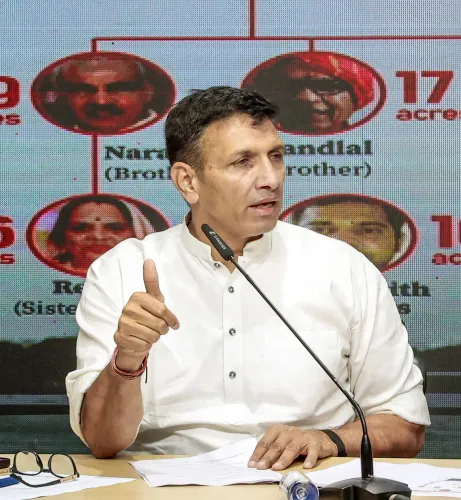
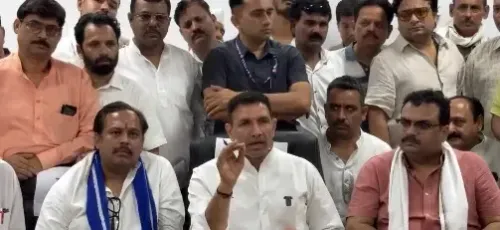
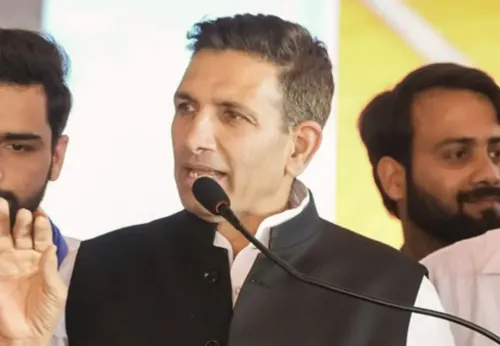
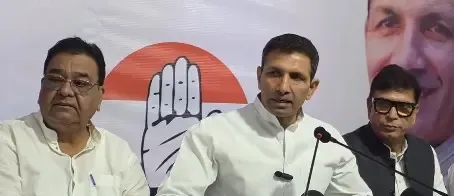
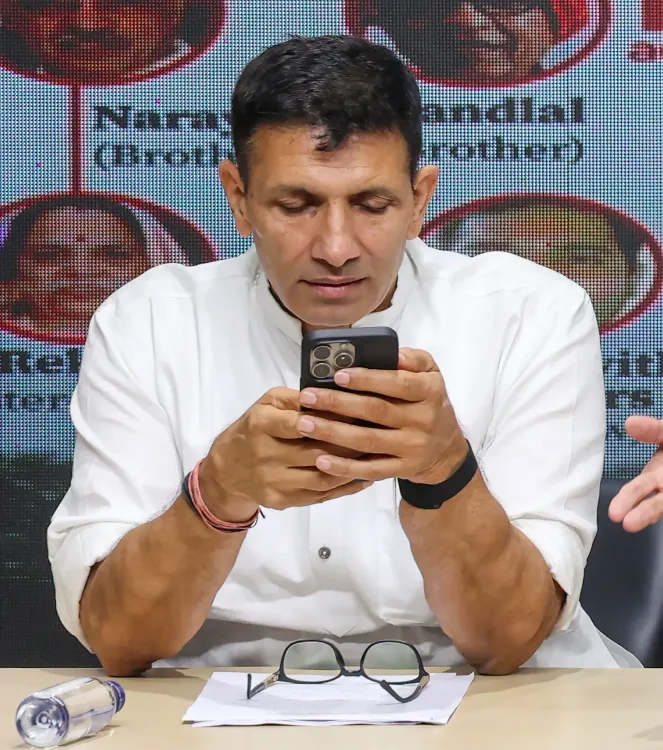
Madhya Pradesh Congress president Jitu Patwari on Friday, 21 August wrote to Chief Minister Mohan Yadav, demanding a public audit of income and expenditure at 110 agricultural markets in the state that each earn more than ₹3 crore annually through mandi and licence fees. Patwari accused the BJP-led state government of failing to provide basic amenities to farmers at these markets despite collecting substantial revenue from them.
The Core Allegation
In his letter, Patwari questioned how mandis generating crores in annual revenue continued to lack fundamental facilities including drinking water, toilets, shade, paved roads, seating arrangements, and storage infrastructure. He argued that the Madhya Pradesh Mandi Board, which classifies markets by revenue generated, should ensure higher-earning mandis have adequate resources to serve farmers.
'While collecting mandi fees, the farmer appears as a revenue contributor for the government, but when it comes to providing facilities, the same farmer disappears from the government's priority,' Patwari wrote.
Ground-Level Conditions Cited
The Congress leader cited specific mandis to illustrate the alleged neglect. He claimed farmers at Raghogarh mandi lacked clean drinking water and a canteen. At the new vegetable market in Sidhi, roads, toilets, and warehouses reportedly remained incomplete. He also referred to reported shortages of shade, water, and toilets at Sabalgarh mandi.
Patwari questioned the utilisation of mandi fees collected from farmers and traders, asking why the impact of that revenue was not visibly reflected in the development of market yards across the state.
What Patwari Demanded
The Congress leader put forward two specific demands: a mandi-wise public audit of income, expenditure, and available facilities across Madhya Pradesh; and a time-bound infrastructure improvement plan specifically targeting the 110 mandis earning more than ₹3 crore annually.
He also noted that the state government had itself sought proposals for improving basic facilities and strengthening old infrastructure at mandis — pointing to an acknowledged gap between intent and delivery. 'Charging farmers fees and then giving them poorly maintained mandis is not farmer welfare, but a tax of government neglect on farmers' earnings,' he said.
Political Context
The letter is part of a broader opposition push by the Indian National Congress (INC) in Madhya Pradesh to highlight agrarian grievances ahead of local political cycles. The Mohan Yadav government has not yet publicly responded to Patwari's demands. This comes amid recurring concerns in several states about the gap between mandi board revenues and on-ground farmer welfare — a politically sensitive fault line in a state where agriculture employs a large share of the workforce.
Patwari urged the Chief Minister to take immediate cognisance of the issue and direct the mandi board to ensure adequate basic facilities at agricultural markets statewide.
Point of View
The revenue argument becomes difficult to deflect. The BJP government's vulnerability here is not ideological but administrative: the gap between fee collection and facility delivery is measurable, and a public audit would make it visible. Whether the demand translates into political traction depends on whether Congress can sustain the narrative beyond the letter — and whether farmers in these constituencies feel the grievance acutely enough to hold it through the next electoral cycle.
NationPress
21 Aug 2026
Frequently Asked Questions
What has Jitu Patwari demanded regarding Madhya Pradesh mandis?
Patwari has demanded a mandi-wise public audit of income, expenditure, and facilities across Madhya Pradesh, along with a time-bound infrastructure improvement plan for 110 mandis each earning more than ₹3 crore annually. He wrote directly to Chief Minister Mohan Yadav on 21 August with these demands.
Which mandis did Patwari specifically name in his letter?
Patwari cited Raghogarh mandi (allegedly lacking clean drinking water and a canteen), the new vegetable market in Sidhi (reportedly with incomplete roads, toilets, and warehouses), and Sabalgarh mandi (alleged shortages of shade, water, and toilets).
Why is Patwari targeting the 110 mandis earning over ₹3 crore?
He argues that mandis generating substantial revenue through mandi and licence fees should have adequate financial resources to provide basic amenities to farmers. The Madhya Pradesh Mandi Board itself classifies mandis by revenue, making the high-earners a logical accountability benchmark.
Has the Mohan Yadav government responded to the demands?
The Mohan Yadav government had not publicly responded to Patwari's letter as of the time of reporting. Patwari urged the Chief Minister to take immediate cognisance of the issue.
What is the broader significance of this mandi facilities dispute?
The dispute highlights a recurring tension in Indian agricultural policy between mandi board revenue collection and on-ground farmer welfare. In Madhya Pradesh, where agriculture employs a large share of the workforce, the gap between fee income and facility delivery is a politically sensitive issue that the Congress is seeking to amplify.