MP Dr. Ajit Gopchade donates month's salary to CM Relief Fund for drought farmers
Synopsis
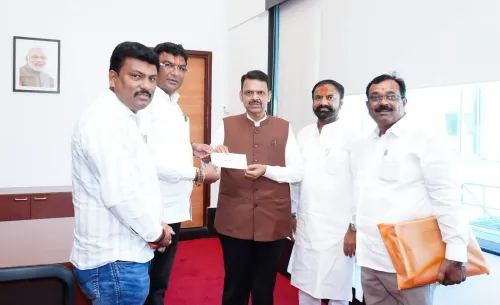
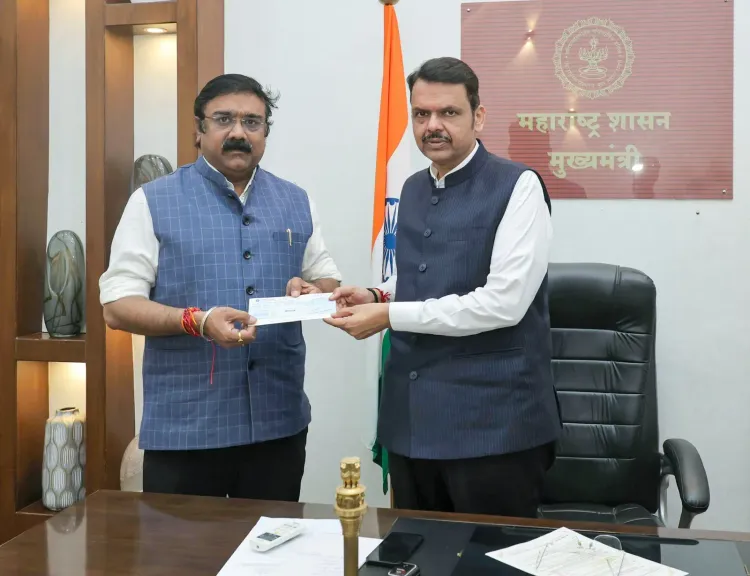
MP Dr. Ajit Gopchade donated his full monthly salary of ₹2,26,787 to Maharashtra's Chief Minister's Relief Fund in Nagpur, with CM Devendra Fadnavis accepting the cheque and thanking him for supporting drought-hit farmers.
Key Takeaways
Ajit Gopchade donated ₹2,26,787 — his one month's salary — to the Chief Minister's Relief Fund for drought-affected farmers.
The cheque was presented to Chief Minister Devendra Fadnavis in Nagpur on 18 October 2026 .
The Chief Minister's Relief Fund is Maharashtra's state mechanism for channelling emergency aid during droughts and other natural calamities.
Nagpur is the winter capital of Maharashtra and lies in the drought-prone Vidarbha region.
Elected representatives donating salaries to calamity relief funds is an established practice in Maharashtra's political culture.
The state's drought assessment surveys and subsequent fund disbursements to affected talukas remain the key next step.
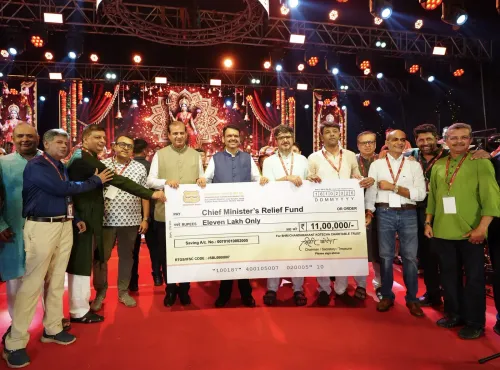
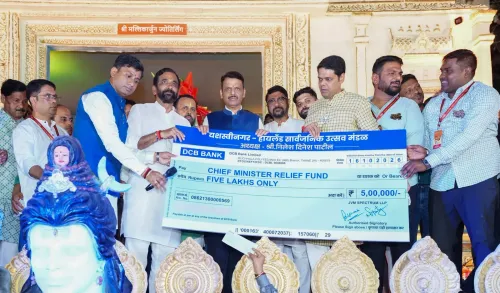
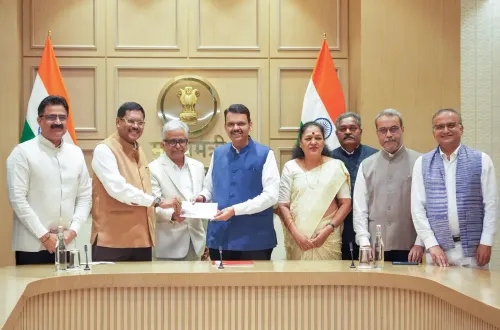
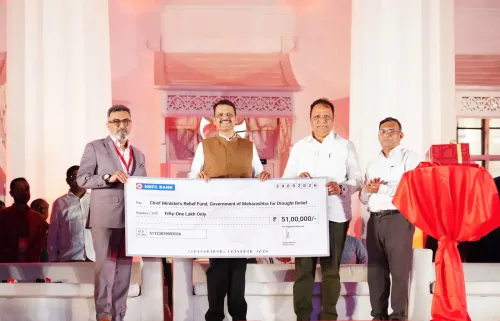
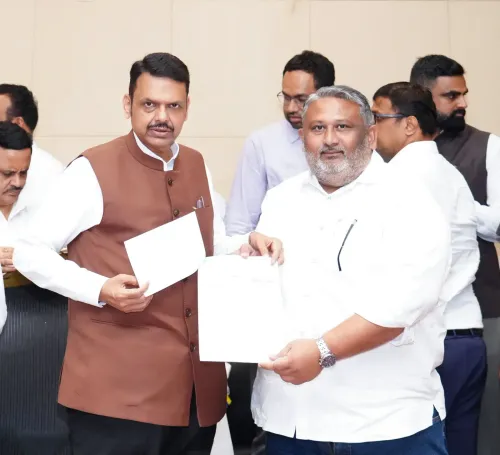
A month's pay handed over for farmers in distress — that is the gesture Member of Parliament Dr. Ajit Gopchade made in Nagpur on Sunday, 18 October 2026, presenting a cheque of ₹2,26,787 to Chief Minister Devendra Fadnavis for the Chief Minister's Relief Fund to aid drought-affected farmers across Maharashtra. The Chief Minister's Office of Maharashtra shared the moment on X, noting that CM Fadnavis personally thanked the MP for the contribution.
A cheque worth one salary, one statement
The amount — ₹2,26,787 — represents Dr. Gopchade's one month's salary as a Member of Parliament, donated in its entirety to the CM's Relief Fund earmarked for drought-hit farmers. The gesture is deliberate in its symbolism: an elected representative surrendering a full month's personal earnings to underline the severity of agrarian distress. CM Devendra Fadnavis, receiving the cheque at Nagpur, expressed his gratitude to the MP.
Why Nagpur, and why drought farmers
Nagpur is Maharashtra's winter capital and sits at the heart of the Vidarbha region — one of India's most drought-prone agricultural belts. Vidarbha, alongside Marathwada, has faced cyclical dry spells that strip farmers of income and push rural households into acute distress. The Chief Minister's Relief Fund is the state's primary mechanism to channel emergency assistance during such calamities, drawing on government allocations as well as voluntary contributions from individuals and institutions.
A long-standing practice during declared calamities
Donations of salary or honoraria by elected representatives to drought-relief funds have a well-documented history in Maharashtra politics. MPs and MLAs contributing a portion — or in some cases the entirety — of their monthly pay during declared drought or flood periods is a recurring feature of the state's political culture, serving both a practical funding purpose and a public signal of solidarity with rural constituents. Dr. Gopchade's full-month contribution keeps that tradition alive at a moment when agrarian distress is once again visible in the state's rain-shadow districts.
The next critical marker will be the state government's own drought assessment surveys and the pace at which relief amounts from the fund are disbursed to affected talukas — the step where symbolic gestures must translate into tangible farm-gate support.
Point of View
While modest in absolute terms relative to state relief budgets, carries political weight precisely because it is personal and verifiable — one month's salary, publicly presented. It reinforces CM Fadnavis's positioning as an accessible, farmer-focused administrator during a period of agrarian stress in Vidarbha. The gesture also keeps pressure on the government to match symbolic acts with substantive disbursements from the Relief Fund. In Maharashtra's recurring drought cycle, the distance between a cheque-presentation photograph and actual relief reaching a farmer's bank account is where administrations are ultimately judged.
NationPress
18 Oct 2026
Frequently Asked Questions
Who is Dr. Ajit Gopchade and what did he donate?
Dr. Ajit Gopchade is a Member of Parliament who donated his full one month's salary of ₹2,26,787 to the Maharashtra Chief Minister's Relief Fund to help drought-affected farmers.
What is the Chief Minister's Relief Fund in Maharashtra?
The Chief Minister's Relief Fund is a state government mechanism that collects and disburses financial assistance during natural disasters such as droughts, supporting affected farmers and rural communities across Maharashtra.
Why is Vidarbha region particularly vulnerable to drought?
Vidarbha, where Nagpur is located, is a semi-arid region in eastern Maharashtra that faces cyclical rainfall deficits, making its farming communities among the most drought-prone in the state.
Is it common for Maharashtra MPs to donate salaries during droughts?
Yes, elected representatives in Maharashtra — both MPs and MLAs — have a long-standing practice of contributing portions or the entirety of their salaries to the CM's Relief Fund during officially declared drought or calamity periods.
What happens after donations are made to the CM Relief Fund?
After collection, the state government conducts drought assessment surveys of affected talukas and then disburses relief amounts from the fund directly to impacted farming households in distressed districts.