MP CM Office Pushes Handloom Clusters, Khadi Growth
Synopsis
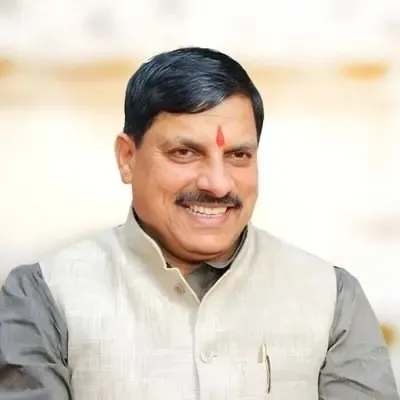
The Chief Minister's Office of Madhya Pradesh has flagged expansion of handloom clusters and a drive to scale khadi production as key levers for empowering the state's rural artisan economy, tagging CM Dr. Mohan Yadav in the announcement.
Key Takeaways
The Chief Minister's Office of Madhya Pradesh announced expansion of handloom clusters and promotion of khadi production on 27 May 2026 .
The initiative targets rural artisans, handloom weavers, and village industry workers as primary beneficiaries.
The push aligns with the national Atmanirbhar Bharat framework and the cluster-development model adopted by textile-producing states since the 2010s.
The Khadi and Village Industries Commission (KVIC) , established in 1957 , and the Prime Minister's Employment Generation Programme (2008) provide the institutional and funding backbone for such efforts.
State budget allocations for cluster infrastructure and integration with National Handloom Development Programme guidelines will be key indicators of implementation progress.
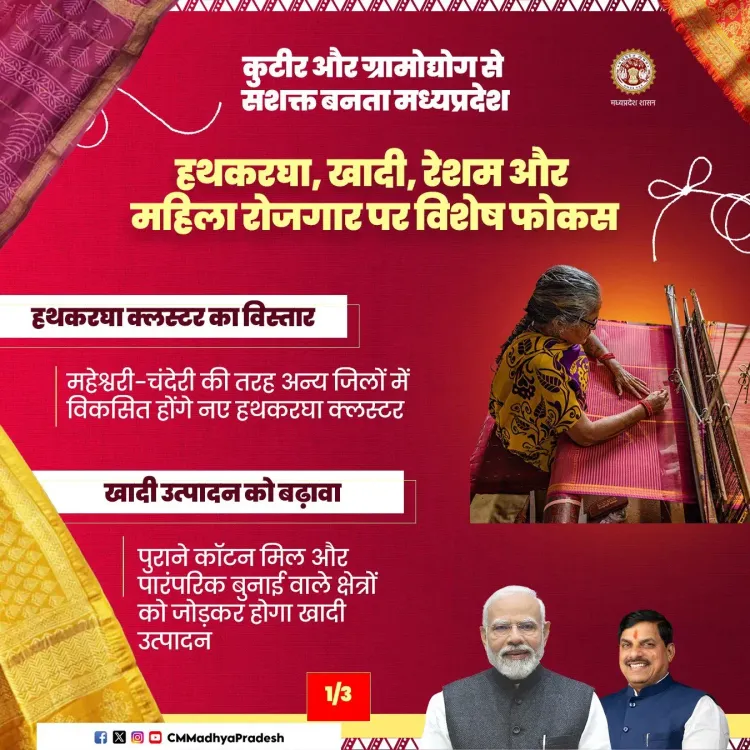
The Chief Minister's Office of Madhya Pradesh on Wednesday, 27 May 2026 highlighted the state's drive to strengthen cottage and village industries, spotlighting the expansion of handloom clusters and a push to scale up khadi production as twin pillars of rural economic empowerment.
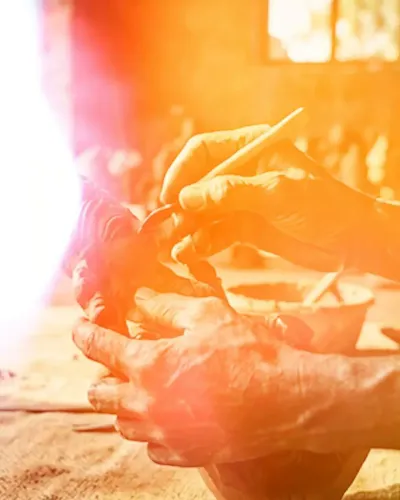
The post, shared from the official handle of the Chief Minister's Office of Madhya Pradesh and tagging Chief Minister Dr. Mohan Yadav, read: 'Kutir aur Gramodyog se sashakt banta Madhya Pradesh' — 'Madhya Pradesh being empowered through cottage and village industries' — with specific emphasis on handloom cluster expansion and promotion of khadi production across the state.
Context
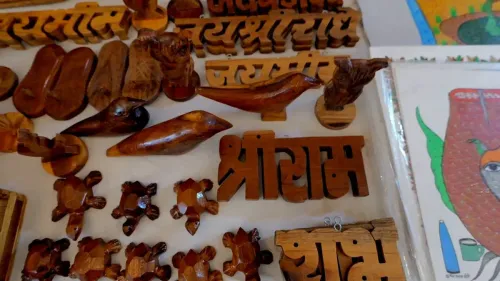
Madhya Pradesh has a large rural artisan base, and cottage industries have long been a source of non-farm employment for weavers and village craftspeople. The state government's renewed focus on these sectors reflects an effort to channel both central and state resources toward traditional industries that can absorb rural labour at scale. The post comes as Indian states broadly intensify their support for micro and small enterprises in the handloom and khadi segments.Policy Backdrop
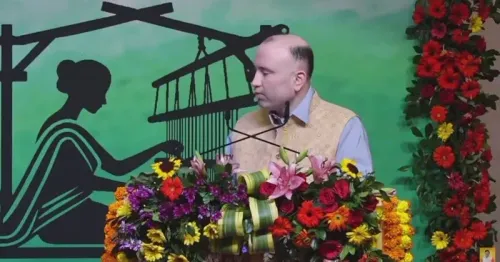
The institutional roots of this push run deep. The Khadi and Village Industries Commission (KVIC), established in 1957, has long been the nodal body for promoting hand-spun cloth and village industries nationwide. The Prime Minister's Employment Generation Programme, launched in 2008, extended subsidies to micro-enterprises including khadi and handloom units, creating a funding scaffold that state governments can leverage. Cluster-based development — grouping weavers into concentrated zones with shared infrastructure, credit access, and market linkages — has emerged as the preferred model across textile-producing states since the 2010s. Madhya Pradesh's handloom cluster expansion fits squarely within this national template, and also aligns with the Atmanirbhar Bharat framework's emphasis on local production and the revival of traditional crafts as instruments of economic resilience.Stakeholders and Impact
The primary beneficiaries of cluster expansion and enhanced khadi production are rural artisans, handloom weavers, and village industry workers — communities that often lack access to formal credit and organised markets. Cluster infrastructure typically brings common facility centres, design support, and aggregated procurement, helping individual weavers compete in wider markets. For khadi specifically, increased production capacity can translate into greater self-employment opportunities, particularly for women in rural households. The state's cottage and village industry sector is seen as a low-capital, high-employment pathway that complements larger industrial investments.What's Next
Attention will now turn to state budget allocations for cluster infrastructure and any convergence with revised National Handloom Development Programme guidelines. The scale and geographic spread of the handloom cluster expansion, as well as the specific targets set for khadi output, will determine how meaningfully these announcements translate into on-ground change for Madhya Pradesh's weaving communities. A clearer picture is expected as the state government rolls out implementation details in the coming months.Point of View
The post personalises ownership of the rural industry agenda ahead of potential budget announcements. The handloom cluster model has a credible track record in other states, making this a lower-risk political bet with genuine grassroots appeal. Whether the announcement translates into measurable gains for weavers will depend on the speed and scale of actual resource deployment.
NationPress
10 Oct 2026
Frequently Asked Questions
What is the Madhya Pradesh handloom cluster expansion about?
The Madhya Pradesh government is expanding handloom clusters — concentrated development zones for weavers — to improve infrastructure, credit access, and market linkages for rural artisans across the state.
How does khadi production help rural employment in Madhya Pradesh?
Khadi production creates self-employment, particularly for rural women, by enabling hand-spinning and weaving at the household level, supported by institutions like the Khadi and Village Industries Commission (KVIC).
What is the role of KVIC in promoting khadi in India?
The Khadi and Village Industries Commission, established in 1957, is the national body responsible for promoting khadi and village industries, providing financial assistance, training, and market support to artisans.
How does Madhya Pradesh's cottage industry push relate to Atmanirbhar Bharat?
Madhya Pradesh's focus on handloom and khadi aligns with the Atmanirbhar Bharat framework, which prioritises local production and traditional crafts as tools for economic self-reliance and rural resilience.
Who is Dr. Mohan Yadav and what is his role in MP's rural economy?
Dr. Mohan Yadav has been Chief Minister of Madhya Pradesh since December 2023 and has been associated with promoting rural development and traditional industry initiatives in the state.