Historic: MP Gets Centre Nod to Procure 100 Lakh MT Wheat at MSP
Synopsis
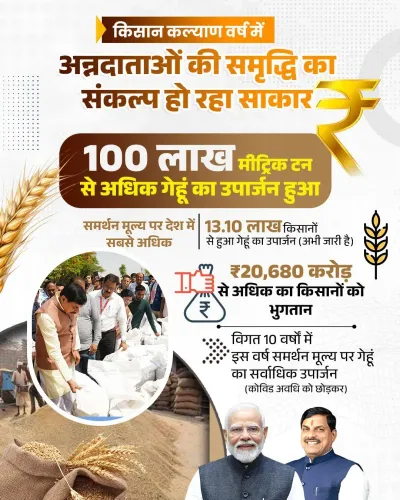
The Central Government has approved a record 100 lakh metric tonne wheat procurement target for Madhya Pradesh at MSP — up from 78 lakh MT — after CM Mohan Yadav's persistent push. The 22 lakh MT increase is a major financial lifeline for millions of farmers during the designated Farmer Welfare Year.
Key Takeaways
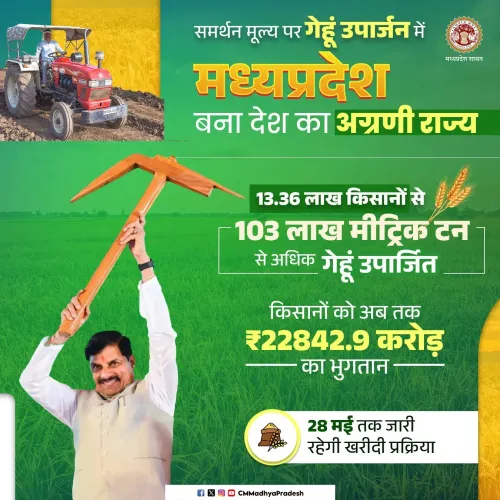
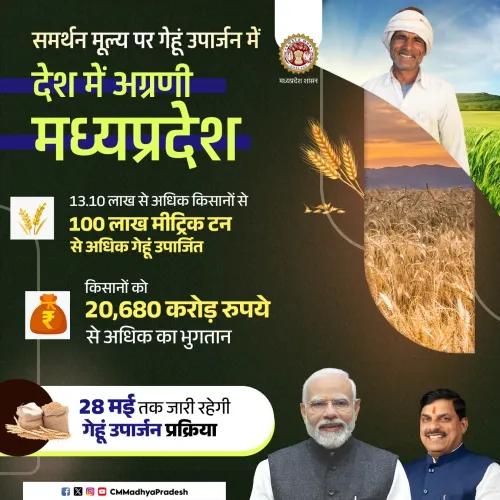
Madhya Pradesh has received Central Government approval to procure 100 lakh metric tonnes of wheat at the Minimum Support Price (MSP) during the 2024-25 rabi season .
The revised target is an increase of 22 lakh metric tonnes over the original allocation of 78 lakh metric tonnes — one of the largest single-season upward revisions for the state.
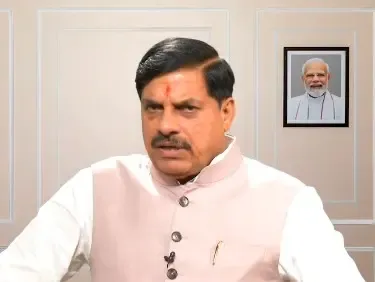
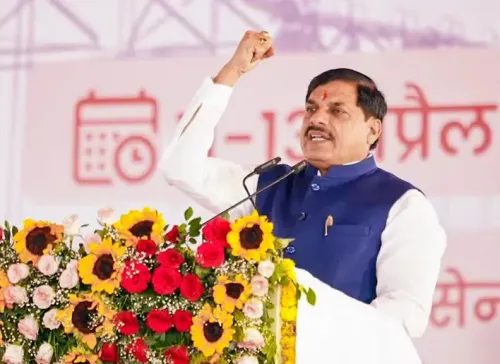
Chief Minister Mohan Yadav personally lobbied the Union Government for the enhanced procurement limit, and expressed gratitude to Prime Minister Narendra Modi for the approval.
The expanded procurement ensures millions of wheat farmers in Madhya Pradesh can sell their produce at guaranteed government prices, reducing exposure to volatile open-market rates.
State procurement agencies and collection centres are being scaled up to operationally handle the increased volume within the active harvest procurement window.
The announcement falls within the government-designated Farmer Welfare Year , reinforcing agricultural welfare as a central policy priority of the Mohan Yadav administration .
Bhopal, April 23: In a landmark decision for Madhya Pradesh's farming community, the Central Government has approved an enhanced wheat procurement target of 100 lakh metric tonnes at the Minimum Support Price (MSP) for the state — a significant jump from the earlier sanctioned limit of 78 lakh metric tonnes. The approval, secured through persistent lobbying by Chief Minister Mohan Yadav, adds an additional 22 lakh metric tonnes to the procurement ceiling, directly benefiting millions of wheat growers across the state during the 2024-25 rabi season.
Key Developments in MP's Wheat Procurement Drive
The revised procurement limit represents one of the largest single-season upward revisions for Madhya Pradesh in recent memory. The state had originally been allocated a target of 78 lakh metric tonnes by the Union Government under the centrally managed procurement framework operated through agencies such as the Food Corporation of India (FCI).
Following formal requests and persistent advocacy by CM Mohan Yadav, the Modi-led Central Government agreed to expand the limit, acknowledging the state's strong agricultural output and the need to protect farmers from volatile open-market prices. The additional 22 lakh metric tonnes of procurement capacity ensures that a significantly larger pool of cultivators can sell their produce at guaranteed government rates rather than being forced into distress sales.
What the Government Said
Chief Minister Mohan Yadav expressed deep gratitude to Prime Minister Narendra Modi for sanctioning the enhanced target, calling it a reflection of the shared commitment between the state and the Centre towards rural economic upliftment. He stated that by raising the limit to 100 lakh metric tonnes, the government is ensuring that farmers receive fair compensation for their labour and are shielded from unpredictable market fluctuations.
The announcement has been framed within the context of the government-designated Farmer Welfare Year, signalling that agricultural policy remains a central pillar of the Mohan Yadav administration's governance agenda. State officials have indicated that procurement infrastructure — including collection centres, weighing facilities, and payment pipelines — is being rapidly scaled up to handle the revised volumes.
Impact on Madhya Pradesh Farmers
Madhya Pradesh is consistently among India's top wheat-producing states, contributing substantially to the national food grain buffer. With over millions of smallholder and marginal farmers dependent on the rabi wheat crop for their annual income, the MSP procurement mechanism serves as a critical financial safety net.
The expanded procurement window means that farmers who may have previously been turned away from government centres due to quota exhaustion will now have a guaranteed outlet. This is particularly significant given that open-market wheat prices can fall sharply post-harvest due to oversupply, leaving farmers vulnerable to exploitation by private traders and middlemen.
Notably, Madhya Pradesh has been ramping up its agricultural output over the past decade, and procurement shortfalls in previous seasons had drawn criticism from farmer unions who argued that the original targets failed to keep pace with actual production growth. This revision is seen as a course correction.
Broader Political and Policy Context
This development comes amid heightened political focus on farmer welfare ahead of upcoming local body elections in Madhya Pradesh. The BJP-led state government under CM Mohan Yadav has been keen to consolidate its rural support base, and large-scale MSP procurement announcements carry significant electoral optics in agrarian constituencies.
Analysts also note that India's central procurement strategy is increasingly under scrutiny, with debates around whether MSP should be legally guaranteed nationally — a key demand of farmer protest movements. While this state-level revision does not address that structural question, it does demonstrate that state governments can effectively negotiate upward revisions when political will exists.
The double engine government narrative — referring to alignment between the state BJP government and the Centre — is being actively leveraged by the administration to take credit for this approval, reinforcing a governance model where inter-governmental coordination delivers tangible benefits to constituents.
What Happens Next
State procurement agencies are expected to begin full-scale operations across designated Madhya Pradesh mandis and collection centres in the coming days. Farmers are being encouraged to register their produce and carry relevant documentation to ensure seamless transactions under the revised procurement framework.
As the 2024-25 rabi harvest progresses, all eyes will be on whether the state machinery can operationally absorb the expanded volume within the stipulated procurement season window — and whether this enhanced target translates into on-ground relief for the state's farming families before the next crop cycle begins.
Point of View
The deeper structural question — a legally guaranteed national MSP, the central demand of India's historic farmer protests — remains conspicuously unaddressed. The real test will be operational: whether state agencies can physically absorb 100 lakh MT within the narrow procurement window, or whether the headline number outpaces ground-level delivery, as has happened in previous seasons across multiple states.
NationPress
29 Sept 2026
Frequently Asked Questions
What is the new wheat procurement target for Madhya Pradesh in 2025?
The Central Government has approved a revised wheat procurement target of 100 lakh metric tonnes at the Minimum Support Price (MSP) for Madhya Pradesh. This is an increase of 22 lakh metric tonnes over the earlier sanctioned target of 78 lakh metric tonnes .
Why was Madhya Pradesh's wheat procurement target increased?
The target was increased following persistent formal requests by Chief Minister Mohan Yadav to the Union Government, citing the state's growing agricultural output and the need to protect more farmers under the MSP safety net. The revision ensures a larger number of cultivators can sell produce at guaranteed government rates.
How does the increased wheat procurement benefit farmers in MP?
The expanded procurement limit means more farmers can access government-guaranteed MSP prices instead of being forced into distress sales in the open market. It provides direct financial security to millions of smallholder and marginal wheat growers across Madhya Pradesh during the rabi harvest season.
Who approved the enhanced wheat procurement target for Madhya Pradesh?
The approval was granted by the Central Government under Prime Minister Narendra Modi , following a formal request by Madhya Pradesh Chief Minister Mohan Yadav . CM Yadav publicly thanked PM Modi for sanctioning the enhanced limit.
What is the significance of the Farmer Welfare Year in this context?
The Farmer Welfare Year is a government-designated period focused on agricultural policy and rural development. The enhanced wheat procurement announcement aligns with this framework, reinforcing the Mohan Yadav administration's stated priority of ensuring economic stability and fair compensation for the farming community.