CM Madhya Pradesh: India's Metro Network Hits 1,155 km in 12 Years
Synopsis
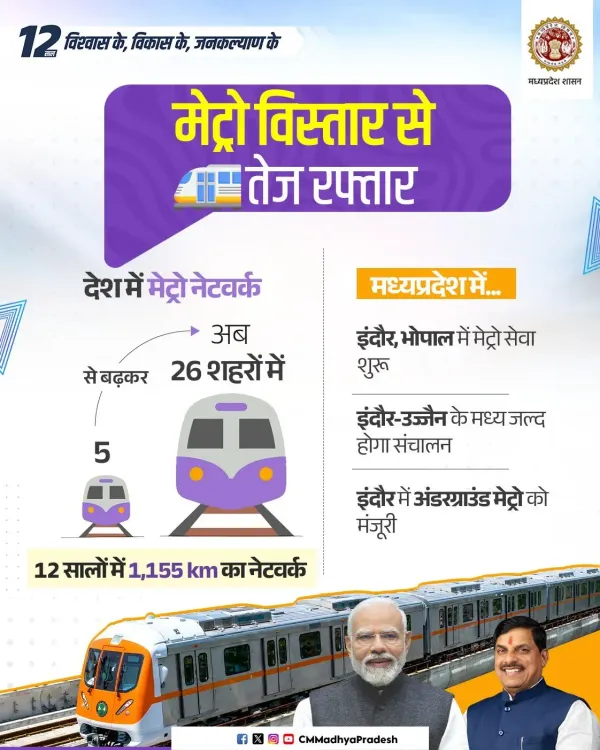
The Chief Minister's Office of Madhya Pradesh says India's metro rail network has expanded to 1,155 km over 12 years under PM Modi, highlighting Indore and Bhopal Metro projects as milestones in the state's urban transport transformation.
Key Takeaways
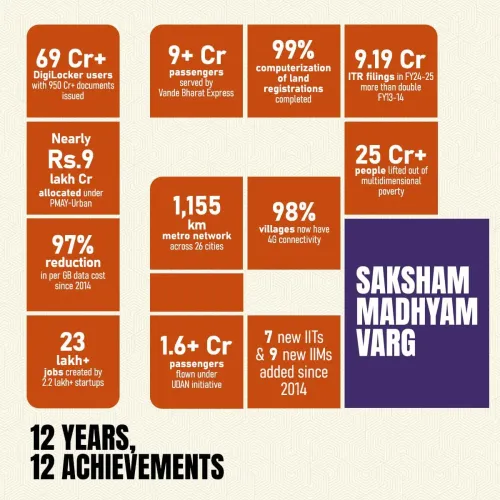
The Chief Minister's Office of Madhya Pradesh posted on 20 June 2026 citing 1,155 km of metro network expansion across India in the past 12 years .
The post credits Prime Minister Narendra Modi's leadership for the national metro expansion milestone.
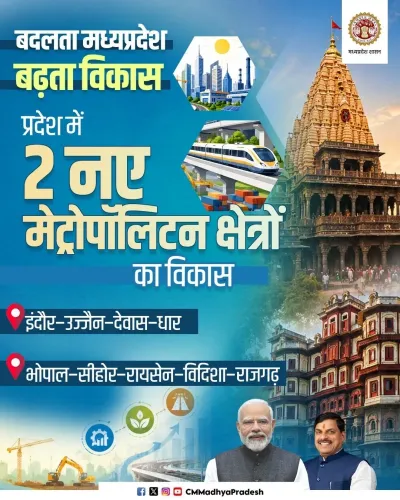
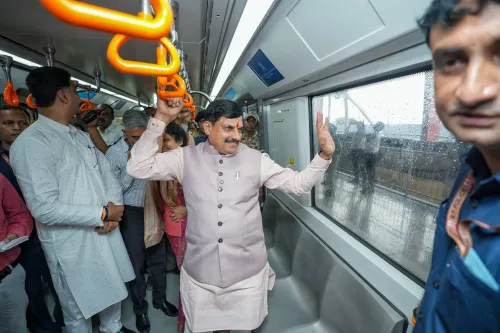
Both Indore Metro and Bhopal Metro are cited as transforming urban transport in Madhya Pradesh.
The Metro Rail Policy 2017 and AMRUT framework underpinned Cabinet approval of both MP metro projects in 2018 .
The post is part of coordinated #12YearsOfSeva messaging across central and state government handles.
Next milestones to watch include ridership data and phase-2 extension announcements for both metro corridors.
The Chief Minister's Office of Madhya Pradesh on Saturday, 20 June 2026, highlighted that India's metro rail network has expanded to 1,155 kilometres over the past 12 years under the leadership of Prime Minister Narendra Modi, while specifically crediting the Indore and Bhopal Metro projects with giving urban transport in the state a new direction.
Context
The post, shared under the hashtags #12YearsOfSeva and #12YearsOfNayaBharatNirman ('12 Years of Service' and '12 Years of Building a New India'), marks what the ruling dispensation is framing as a milestone anniversary of the Modi government's infrastructure record. The office wrote: 'Metro ke vistar se vikas ko naye pankh' — 'Metro expansion gives new wings to development' — before citing the national network figure and the two Madhya Pradesh projects.
The post tags Prime Minister Modi's personal handle, the PMO India, Chief Minister Dr Mohan Yadav, the Ministry of Housing and Urban Affairs (MoHUA), and the Madhya Pradesh Urban Development Department, signalling coordinated messaging across central and state government accounts.
Policy Backdrop
The expansion of metro rail into second-tier cities has been a stated policy priority of the central government since 2014. The Metro Rail Policy 2017 updated guidelines to facilitate public-private participation and faster approvals for new metro systems in smaller cities, moving beyond the four traditional large metros.
In 2018, the Union Cabinet approved metro rail projects for both Bhopal and Indore under the framework of the Atal Mission for Rejuvenation and Urban Transformation (AMRUT). The Ministry of Housing and Urban Affairs has since overseen funding releases and project coordination for both corridors. Subsequent budget cycles continued prioritising viability gap funding for metro expansion in growing state capitals.
Madhya Pradesh's two metro projects are part of a broader national shift toward integrated urban mobility, with the central government providing policy support and capital assistance to states that commit to urban transport modernisation.
Stakeholders and Impact
Urban commuters in Indore — Madhya Pradesh's commercial capital and largest city — and Bhopal, the state capital, stand to benefit most directly from metro operations. Both cities have seen rapid population growth and mounting vehicular congestion, making mass rapid transit a high-priority intervention for state planners.
The Madhya Pradesh Urban Development Department, tagged in the post, is the nodal state agency coordinating land acquisition, civil works, and operational readiness for both corridors. Residents, daily wage workers, and office commuters represent the primary ridership base that metro connectivity is designed to serve.
At the national level, the 1,155-km network figure — if accurate — would represent a substantial multiplication of the operational metro footprint that existed when the current government took office in 2014, reflecting sustained capital investment across multiple cities and states.
What's Next
Attention will now turn to operational ridership data for the Indore and Bhopal metro lines, as well as any announcements regarding phase-2 corridor extensions in either city. Central government funding releases under the next urban infrastructure mission cycle will be closely watched by state planners and urban mobility advocates.
The political framing of metro expansion as a '12-year achievement' suggests further milestone communications are likely as the government approaches the mid-year mark of 2026, with infrastructure delivery increasingly central to its public narrative.
Point of View
Timed to mark 12 years of the Modi government by anchoring a national infrastructure statistic to a local deliverable. By foregrounding the 1,155-km national figure and then narrowing to Indore and Bhopal, the communication attempts to make a macro achievement tangible for Madhya Pradesh voters. The use of multiple official tags — PMO, MoHUA, CM Yadav, and the state urban department — suggests this is a scripted milestone post rather than spontaneous commentary. It fits a wider pattern of the BJP-led state governments reinforcing the Centre's infrastructure narrative in the run-up to electoral cycles, using metro projects as visible, non-controversial proof points of governance delivery.
NationPress
18 Sept 2026
Frequently Asked Questions
How much has India's metro network expanded under PM Modi?
According to the Chief Minister's Office of Madhya Pradesh, India's metro network has expanded to 1,155 kilometres over the 12 years of Prime Minister Narendra Modi's leadership.
Is the Bhopal Metro operational?
The Chief Minister's Office of Madhya Pradesh has referred to the Bhopal Metro as giving urban transport in the state a new direction, though full operational details and ridership figures have not been specified in the post.
When were the Indore and Bhopal metro projects approved?
The Union Cabinet approved metro rail projects for both Indore and Bhopal in 2018 under the Atal Mission for Rejuvenation and Urban Transformation framework.
What is the Metro Rail Policy 2017?
The Metro Rail Policy 2017 updated central government guidelines to facilitate public-private participation and faster project approvals for metro systems in smaller and second-tier cities across India.
What does #12YearsOfSeva mean?
#12YearsOfSeva translates to '12 Years of Service' and is a hashtag used by BJP-aligned government accounts to mark the 12th anniversary of the Narendra Modi government, highlighting infrastructure and development achievements.