Pakistan bars Afghan medical degrees amid India-Pak border tensions
Synopsis
Pakistan's medical regulator has quietly shut off a popular low-cost route for its own students — Afghan medical colleges — while cross-border airstrikes kill civilians and the UN assigns blame to Pakistani forces. The accreditation ban is both a regulatory move and a geopolitical signal, arriving as Islamabad-Kabul ties hit a new low.
Key Takeaways
The Pakistan Medical and Dental Council (PMDC) has stopped recognising medical and dental degrees from Afghanistan's higher education institutions for registration or practice in Pakistan.
Afghan institutions are not listed on Pakistan's approved foreign universities registry, the PMDC confirmed.
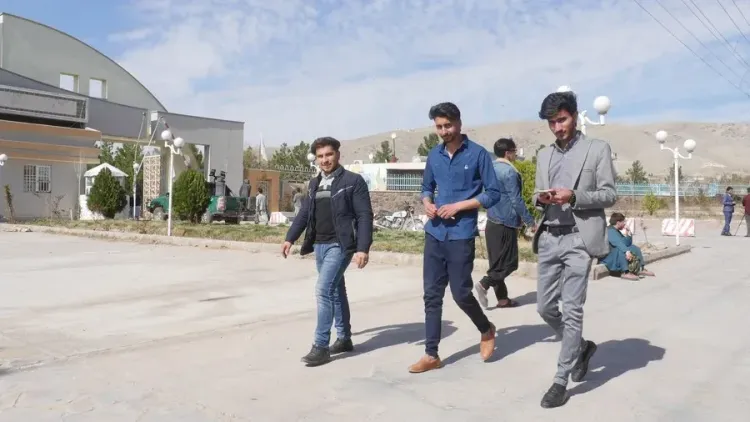
Pakistani students enrolled in Afghan medical colleges chose them for lower fees and easier admission — they now face an uncertain future.
The move coincides with strained Pakistan-Afghanistan relations, with Islamabad accusing the Taliban of sheltering the TTP .
The UN (UNAMA) documented 57 killed and 342 injured in cross-border violence in Afghanistan between April and June 2025 , attributing all casualties to Pakistani security forces .
Victims included 112 children and 40 women , according to the UNAMA report.
The Pakistan Medical and Dental Council (PMDC) has stopped recognising medical and dental degrees awarded by Afghanistan's higher education institutions for the purposes of registration, licensing, or professional practice in Pakistan. The decision, reported on Tuesday, 4 August, has created significant uncertainty for Pakistani students currently enrolled in Afghan medical universities.
What the PMDC Decision Means
In an official statement, the PMDC clarified that only Pakistani nationals holding degrees from institutions listed under Pakistan's approved foreign accreditation system will be eligible for the mandatory assessment required for professional registration. Afghan medical and dental institutions, the council confirmed, do not feature on Pakistan's list of recognised foreign universities.
The ruling effectively shuts the door on Afghan-trained doctors seeking to practise in Pakistan — a pathway that had grown increasingly popular due to lower tuition fees and comparatively easier admission criteria at Afghan universities relative to other overseas destinations.
Why Pakistani Students Chose Afghanistan
A notable number of Pakistani students had opted for Afghan medical institutions as a cost-effective alternative to pricier programmes in countries such as China, Russia, or Ukraine. The PMDC's new stance leaves these students facing a critical choice: transfer to a recognised institution abroad or risk being unable to practise medicine in Pakistan after graduation.
The Diplomatic Backdrop
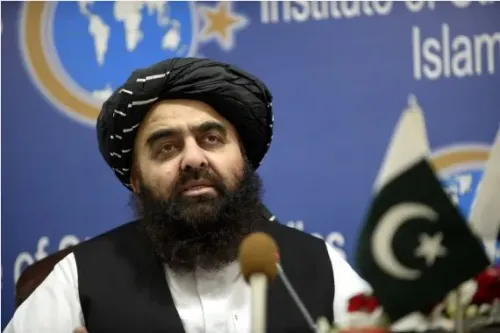
The PMDC's move comes amid sharply deteriorating relations between Islamabad and Kabul. Pakistan has repeatedly accused the Taliban administration of allowing the Tehreek-e-Taliban Pakistan (TTP) to operate freely from Afghan territory — allegations the Taliban government has consistently denied.
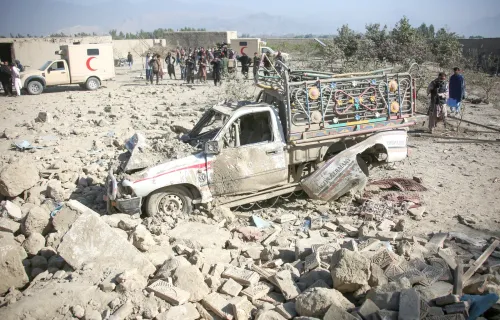
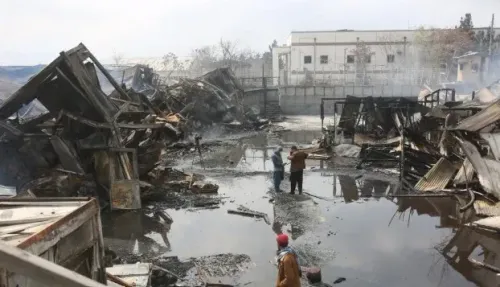
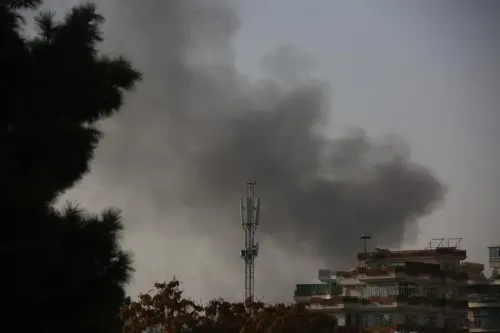
Cross-border hostilities have escalated beyond diplomatic exchanges. According to the United Nations Assistance Mission in Afghanistan (UNAMA), 57 people were killed and 342 others injured in cross-border armed violence in Afghanistan between 1 April and 30 June. The UN body attributed all cross-border civilian casualties recorded in Afghanistan during this period to Pakistani security forces.
UN Documents Civilian Toll
A UNAMA report stated that airstrikes and ground engagements were the primary drivers of civilian harm. The casualties included 112 children — 26 killed and 86 injured — and 40 women, of whom six were killed and 34 injured.
The UN agency noted: 'The largest number of civilian casualties were caused by airstrikes carried out by Pakistani security forces in Paktia, Paktika and Kunar provinces on June 28, followed by shelling in Kunar province between April 27 to 29 April.'
What Happens Next
The PMDC has not indicated any transitional provisions for students already mid-way through their Afghan medical programmes. Affected students and their families are now awaiting further clarification from Pakistani authorities on whether any remedial pathways — such as equivalency examinations or transfer credits — will be made available. The broader Pakistan-Afghanistan relationship shows no near-term signs of stabilisation, suggesting the accreditation freeze could persist.
Point of View
But its timing is anything but routine — it arrives as Pakistani airstrikes in Afghan provinces generate a UN-documented civilian body count. Islamabad is simultaneously cutting educational ties and conducting cross-border military operations, a combination that deepens the rupture with Kabul while leaving its own students stranded mid-degree. The absence of any transitional provision for affected students suggests this is a political signal as much as a regulatory one. Whether Pakistan offers an equivalency route will reveal whether this is policy or punishment.
NationPress
18 Sept 2026
Frequently Asked Questions
Why has Pakistan stopped accepting Afghan medical degrees?
The Pakistan Medical and Dental Council (PMDC) has ruled that Afghan medical and dental institutions are not listed on Pakistan's approved foreign universities registry, making their degrees ineligible for registration or practice. The decision was announced on 4 August and comes amid severely strained Pakistan-Afghanistan diplomatic relations.
How does this affect Pakistani students studying medicine in Afghanistan?
Pakistani students currently enrolled in Afghan medical colleges face significant uncertainty, as their degrees may no longer qualify them for professional registration or practice in Pakistan. No transitional provisions have been announced by the PMDC for students mid-way through their programmes.
Why do Pakistani students study medicine in Afghanistan?
Afghan medical universities attract Pakistani students primarily due to lower tuition fees and comparatively easier admission requirements compared to medical programmes in countries such as China, Russia, or Ukraine.
What is the current state of Pakistan-Afghanistan relations?
Relations between Islamabad and Kabul are sharply strained. Pakistan has accused the Taliban government of allowing the Tehreek-e-Taliban Pakistan (TTP) to operate from Afghan soil — a charge the Taliban denies. Cross-border armed exchanges have resulted in documented civilian casualties on the Afghan side.
What did the UN say about civilian casualties from cross-border violence?
The United Nations Assistance Mission in Afghanistan (UNAMA) reported that 57 people were killed and 342 injured in cross-border violence in Afghanistan between 1 April and 30 June. The UN attributed all recorded civilian casualties to Pakistani security forces, with the heaviest toll from airstrikes in Paktia, Paktika, and Kunar provinces on 28 June.