MP Govt Raises Moong Procurement to 60%, Extends Deadlines
Synopsis
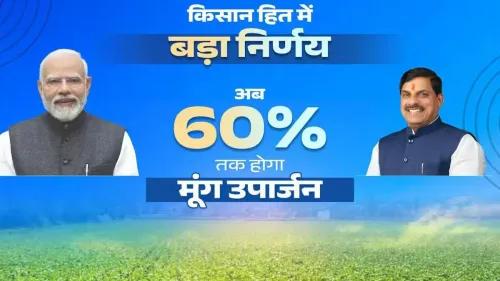
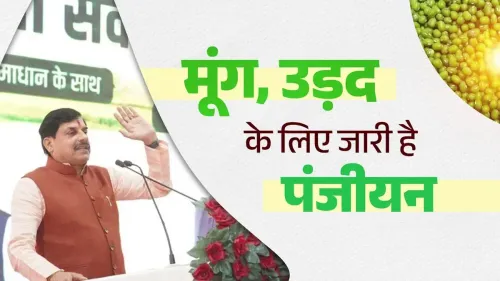
The Chief Minister's Office of Madhya Pradesh announced on 29 July 2026 that moong procurement will be raised to 60%, with slot booking extended to 10 August and final procurement to 20 August — a direct income-security measure for pulse farmers.
Key Takeaways
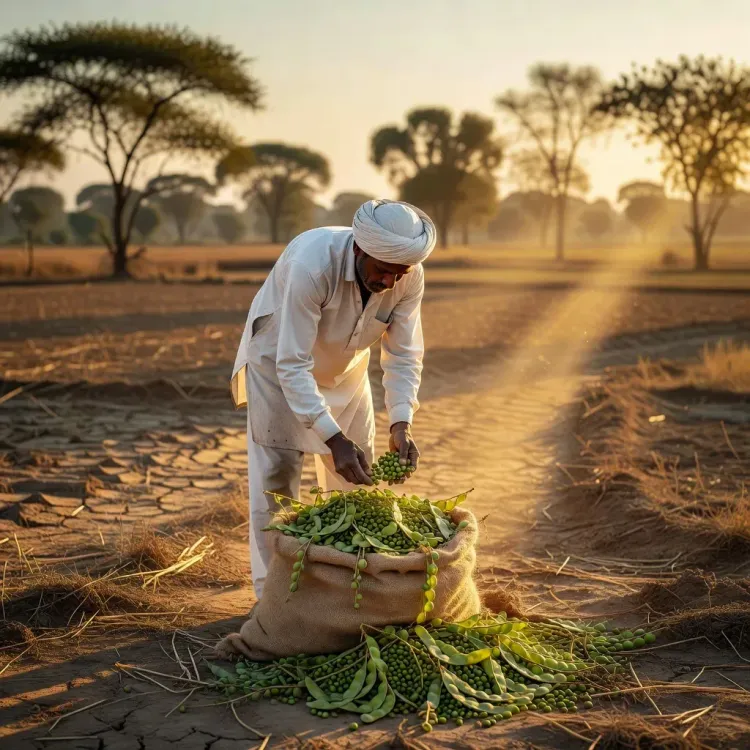
Madhya Pradesh government has raised moong (green gram) procurement to 60% of a farmer's registered quantity.
The slot booking deadline for moong procurement has been extended to 10 August 2026 .
The final moong procurement date has been pushed to 20 August 2026 .
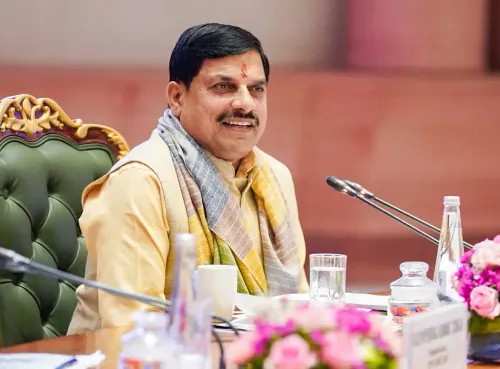
The announcement was made by the Chief Minister's Office of Madhya Pradesh and tagged to Chief Minister Dr.
Mohan Yadav and the Union Ministry of Agriculture.
The measure aligns with national efforts to stabilise pulse prices through MSP-based assured purchase mechanisms.
Millions of pulse farmers in Madhya Pradesh got a significant policy boost on Wednesday, 29 July 2026, as the Chief Minister's Office of Madhya Pradesh announced a hike in moong procurement to 60% — alongside extended deadlines that give farmers more room to participate in the state's assured-purchase programme.
The government's post declared two concrete extensions: the slot booking deadline has been pushed to 10 August, and the final moong procurement date extended to 20 August. The announcement, tagged to Chief Minister Dr. Mohan Yadav and the Union Ministry of Agriculture and Farmers Welfare, signals active coordination between state and central authorities on pulse procurement.
What the 60% Procurement Ceiling Means for Moong Growers
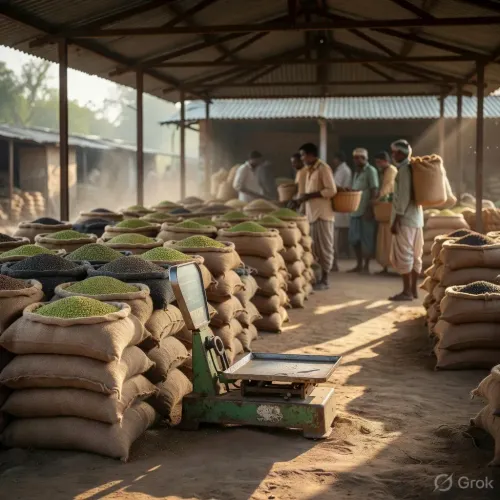
Madhya Pradesh is one of India's foremost pulse-producing states, and moong — green gram — is a key kharif crop for thousands of smallholder farmers across the state. Under state-run procurement operations, the government purchases crop directly from registered farmers at the Minimum Support Price (MSP), shielding them from market price crashes at harvest time.
Raising the procurement ceiling to 60% of a farmer's registered quantity means a larger share of their produce is guaranteed a floor price — a direct income-security measure. The extension of the slot booking window to 10 August is equally important: it widens the registration net, allowing farmers who missed earlier windows to still queue for government purchase.
MP's Role in India's Pulse Procurement Architecture
The move fits a broader national pattern. The Ministry of Agriculture and Farmers Welfare coordinates with state governments to stabilise pulse prices and prevent distress sales — a recurring challenge in a sector where market prices can swing sharply post-harvest. Madhya Pradesh has historically been an active participant in these procurement drives, periodically adjusting targets and timelines to match ground-level crop output.
By looping in @AgriGoI and @minmpkrishi in its announcement, the state government is signalling that this decision is aligned with the Centre's pulse-support framework — not a unilateral move. The coordination matters: central agencies often co-fund procurement operations and set MSP benchmarks that states must honour.
The real test now is farmer participation. How many moong growers use the extended slot booking window — and whether actual procurement volumes hit the new ceiling by 20 August — will determine whether this policy relief translates into rupees in farmers' hands.
Point of View
The Mohan Yadav government is reinforcing a cooperative federalism optic on farm welfare, a theme the BJP has leaned on nationally since the rollout of PM-KISAN. The real political dividend, however, will depend on implementation: if procurement volumes actually reach the new ceiling by 20 August, it becomes a concrete deliverable; if participation lags, the announcement risks being remembered as a deadline extension that changed little on the ground.
NationPress
13 Sept 2026
Frequently Asked Questions
What is the new moong procurement percentage announced by Madhya Pradesh?
The Madhya Pradesh government has raised moong procurement to 60% of a registered farmer's produce under the state's assured-purchase programme.
What is the new slot booking deadline for moong procurement in MP?
The slot booking deadline has been extended to 10 August 2026 , giving more farmers the opportunity to register for government purchase.
What is the last date for moong procurement in Madhya Pradesh in 2026?
The final date for moong procurement has been extended to 20 August 2026 , as announced by the Chief Minister's Office of Madhya Pradesh.
Who announced the moong procurement extension in Madhya Pradesh?
The announcement was made by the Chief Minister's Office of Madhya Pradesh , tagged to Chief Minister Dr. Mohan Yadav and the Union Ministry of Agriculture and Farmers Welfare.
How does MSP-based moong procurement help farmers in Madhya Pradesh?
Under MSP-based procurement, the state government buys moong directly from registered farmers at a guaranteed floor price, protecting them from market price crashes after harvest.