Iraq approves joint probe with Iran into border drone launch sites
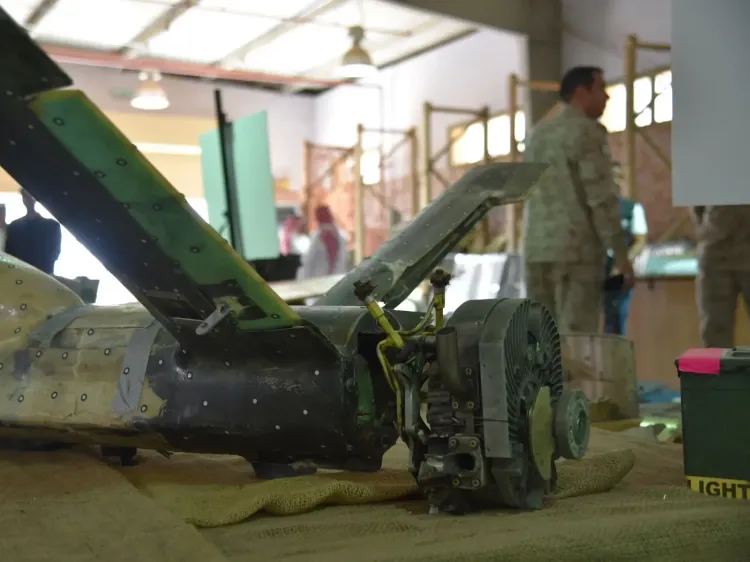
Synopsis
Iraq's PM al-Zaidi approved a joint investigation with Iran into drone launch platforms near their shared border — days after attacks on Saudi Arabia's East-West Pipeline were traced to Iraq's Maysan province. The move, paired with the dismissal of two top military commanders, marks Baghdad's most forceful response yet to cross-border drone threats emanating from its own territory.
Key Takeaways
Iraqi PM Ali al-Zaidi approved Iran's request for a joint investigation into drone launch sites near the Iraq-Iran border on 12 September .
Drone attacks on Saudi Arabia's East-West Pipeline were confirmed to have originated from Maysan province in southern Iraq.
Al-Zaidi dismissed the Maysan Operations Commander and Maysan Police Commander and ordered a special investigative council.
Several Iraqi border crossings have been temporarily closed for security audits; Zurbatiyah and al-Munthiriya crossings remain open for passengers.
Saudi Arabia reportedly refrained from retaliating at the Iraqi PM's request.
Iraqi Prime Minister Ali al-Zaidi, who also serves as Commander-in-Chief of the armed forces, on Saturday, 12 September approved Iran's request to conduct a joint investigation aimed at identifying drone launch platforms near the Iraq-Iran border. The confirmation came from Sabah al-Numan, Spokesman for the Commander-in-Chief of Iraqi forces, amid a sharp escalation in border security tensions following drone attacks on Saudi Arabia traced back to Iraqi territory.
Background to the Decision
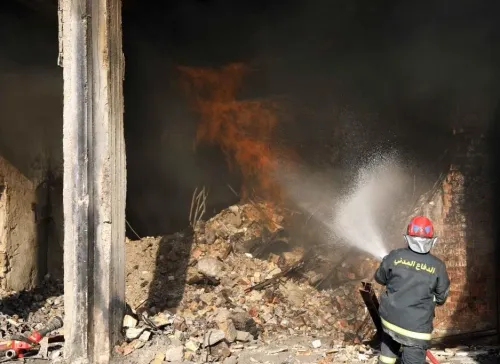
The approval followed confirmation by Iraqi authorities that recent drone strikes targeting Saudi Arabia were launched from a site within Maysan province in southern Iraq. Saudi Arabia's Foreign Ministry stated on Friday that its East-West Pipeline was struck by several drones launched from Iraqi soil, resulting in injuries and infrastructure damage. Notably, Riyadh said it had refrained from retaliating at this stage, reportedly at the request of the Iraqi Prime Minister.
Military and Security Shakeup
Earlier on Saturday, al-Zaidi dismissed both the Maysan Operations Commander and the Maysan Police Commander, signalling a direct accountability response. He also ordered the formation of a special investigative council to probe the security lapse, according to separate statements issued by al-Numan. This is one of the most significant command-level reshuffles in Iraq's southern military structure in recent years.
Border Crossings Under Lockdown
Iraqi security forces have launched administrative and security reorganisation operations at several border crossings, necessitating temporary closures to investigate potential security breaches. The Security Media Cell, affiliated with the Iraqi Joint Operations Command, said that legal measures have been taken and intelligence, investigative, and audit efforts intensified to determine the circumstances surrounding violations at these crossings.
However, the Zurbatiyah and al-Munthiriya border crossings with Iran — located in Iraq's Wasit and Diyala provinces respectively — remain open to passenger traffic. An Iraqi security source, speaking on condition of anonymity, indicated that inspection and screening procedures are underway at the closed crossings and are expected to conclude quickly.
Why This Matters
The episode underscores a persistent vulnerability: Iraq's southern border zones have long been exploited by armed groups for cross-border operations, and the confirmation that Saudi-targeting drones were launched from Iraqi soil escalates the diplomatic stakes considerably. Saudi Arabia's stated restraint — conditional on Iraqi action — places Baghdad under intense pressure to deliver credible investigative results.
This comes amid broader regional tensions involving drone and missile threats across the Gulf. The joint probe with Iran is notable because it signals a willingness by both governments to cooperate on a matter that could implicate Iran-aligned armed factions operating on Iraqi soil. Whether this cooperation yields actionable outcomes or remains largely procedural will be closely watched by Gulf states, Western allies, and regional security analysts alike.
Point of View
And Riyadh's patience has limits. The dismissal of two commanders shows al-Zaidi understands the gravity, but command reshuffles without dismantling launch infrastructure will not satisfy Gulf partners or deter future attacks.
NationPress
13 Sept 2026
Frequently Asked Questions
Why did Iraq approve a joint investigation with Iran on drone launch sites?
Iraq approved the probe after confirming that drone attacks targeting Saudi Arabia's East-West Pipeline were launched from Maysan province near the Iraq-Iran border. The joint investigation aims to locate and dismantle drone launch platforms in the area.
What happened to the Saudi East-West Pipeline?
Saudi Arabia's Foreign Ministry said the pipeline was struck by several drones launched from Iraqi territory, causing injuries and infrastructure damage. Riyadh stated it refrained from responding at this stage at the Iraqi PM's request.
Which Iraqi commanders were dismissed over the incident?
Iraqi PM Ali al-Zaidi dismissed both the Maysan Operations Commander and the Maysan Police Commander on Saturday, and ordered a special investigative council to probe the security failure.
Are Iraq-Iran border crossings closed?
Several crossings have been temporarily closed for security audits and reorganisation. However, the Zurbatiyah and al-Munthiriya crossings in Wasit and Diyala provinces remain open to passenger traffic.
How has Saudi Arabia responded to the drone attacks from Iraq?
Saudi Arabia confirmed the attacks but said it had refrained from retaliating at this stage, reportedly at the request of the Iraqi Prime Minister. The diplomatic restraint is seen as conditional on Iraq delivering credible investigative results.