MP's Mrignayani becomes India's first PSU-owned ODOP digital platform
Synopsis
Madhya Pradesh's state-owned emporium Mrignayani has launched ODOP Mart MP, billed as India's first PSU-owned digital marketplace under the One District One Product framework, aiming to connect the state's artisans, weavers and local entrepreneurs with a direct digital sales channel.
Key Takeaways
The Chief Minister's Office of Madhya Pradesh announced Mrignayani as India's first PSU-owned ODOP-focused digital platform on 7 August 2026 .
The platform, ODOP Mart MP , targets artisans, weavers and local entrepreneurs across Madhya Pradesh.
Unlike most state ODOP digital efforts built on private e-commerce tie-ups, this platform is fully owned and operated by a government PSU.
The One District One Product scheme originated in Uttar Pradesh in 2018 and was later scaled nationally by the Ministry of Commerce and Industry .
Possible future integration with national portals such as GeM could significantly expand the platform's reach and buyer base.
Madhya Pradesh's government-run craft emporium Mrignayani has crossed a threshold no public-sector unit in India had crossed before — launching what the Chief Minister's Office of Madhya Pradesh describes as the country's first PSU-owned digital marketplace built exclusively around the One District One Product (ODOP) framework, announced on Friday, 7 August 2026.
What Mrignayani's ODOP Mart MP actually does
The platform, branded ODOP Mart MP, is designed to plug artisans, weavers and local entrepreneurs across Madhya Pradesh directly into a digital marketplace — cutting out the layers of middlemen that have long compressed margins for craft producers in the state. The CMO's post described it as a 'mahatvapurn pahal' ('important initiative') to connect these communities with a digital bazaar.
What makes the move structurally significant is the ownership model. Most earlier state-level ODOP digital efforts across India were built on private e-commerce tie-ups — government branding layered over third-party platforms. Mrignayani, a fully government-owned emporium, is here acting as both the institutional backer and the platform owner, a configuration that remains rare in India's public-sector landscape.
ODOP's journey from Lucknow to Bhopal
The One District One Product scheme was born in Uttar Pradesh in 2018, a state-level bet on hyper-local manufacturing identity. The Ministry of Commerce and Industry later scaled it nationally, making it a pillar of India's MSME and export-promotion architecture. Each district gets one flagship product — a GI-tagged textile, a tribal craft, an agricultural specialty — and policy support flows around it.
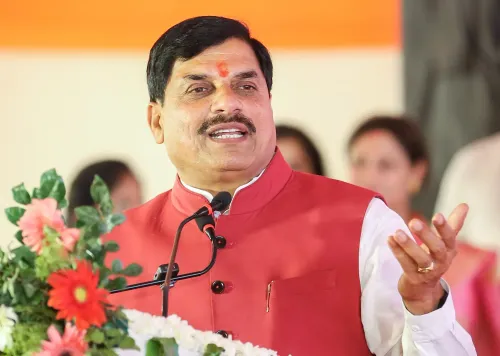
Madhya Pradesh, with its dense artisan communities in handloom weaving, tribal handicrafts and heritage pottery, sits on considerable ODOP potential. Chief Minister Dr. Mohan Yadav, tagged in the post, has positioned cultural-economic promotion as a signature of his administration since taking office in December 2023.
Why PSU ownership of the platform changes the calculus
A government-owned platform means data, pricing logic and seller terms remain under public-sector control — a meaningful distinction from arrangements where state governments essentially rent shelf space on private portals. It also opens a cleaner integration path with national procurement infrastructure like the Government e-Marketplace (GeM), which already mandates ODOP product listings from certain categories.
The broader Digital India push has been nudging states toward exactly this kind of sovereign digital commerce infrastructure. Whether Mrignayani's model triggers similar PSU-led ODOP platforms in other states — or attracts integration with national portals — will be the real test of its replicability.
For the weavers of Chanderi, the tribal craft workers of Bastar's neighbouring belts, and the block-print artisans scattered across MP's districts, the promise is simple: a government-backed shop window that doesn't disappear when a private partnership expires.
Point of View
It threads two political priorities at once — cultural pride in MP's artisan heritage and alignment with the Centre's Digital India and MSME push. If the PSU-ownership model holds and transaction volumes materialise, it could set a template that pressures other states to follow. The real credibility test, however, will come in operational detail: seller onboarding numbers, transaction data and whether the platform sustains momentum beyond the launch announcement.
NationPress
22 Sept 2026
Frequently Asked Questions
What is Mrignayani ODOP Mart MP?
ODOP Mart MP is a digital marketplace launched by Mrignayani, Madhya Pradesh's government-owned craft emporium, to connect the state's artisans, weavers and local entrepreneurs with online buyers under the One District One Product framework.
Why is Mrignayani called India's first PSU-owned ODOP platform?
The claim rests on the fact that Mrignayani is a fully government-owned public-sector unit operating the platform directly, whereas most earlier state ODOP digital marketplaces were built through tie-ups with private e-commerce companies rather than being owned outright by a PSU.
What is the One District One Product (ODOP) scheme?
ODOP is an initiative that identifies and promotes one unique product per district — typically a local craft, textile or agricultural specialty — to boost manufacturing, employment and exports. It was first launched by Uttar Pradesh in 2018 and later scaled nationally by the Ministry of Commerce and Industry.
Who is Dr. Mohan Yadav and what is his role here?
Dr. Mohan Yadav is the Chief Minister of Madhya Pradesh, in office since December 2023. He was tagged in the announcement, signalling the platform launch carries his administration's political backing.
Can Mrignayani ODOP Mart MP integrate with GeM or other national portals?
No official integration has been announced yet, but analysts watching the space consider a link-up with the Government e-Marketplace (GeM) a logical next step given that GeM already mandates ODOP product listings in certain categories.