MP Posts 8 IAS Probationers in Tribal Districts for 2025 Batch
Synopsis
Madhya Pradesh has posted 8 IAS probationers from the 2025 batch as Assistant Collectors in tribal and developing districts including Jhabua, Dhar, Barwani, and Mandla. The move, backed by CM Mohan Yadav, aims to build empathetic, ground-level leadership in India's most tribal-dense state from day one of their careers.
Key Takeaways
Eight IAS probationers from the 2025 batch have received their first field postings in Madhya Pradesh, announced on April 25, 2025 .
All eight officers have been designated as Assistant Collectors in tribal and developing districts across the state.
The districts include Jhabua, Dhar, Barwani, Singrauli, Katni, Khandwa, Betul, and Mandla — all with significant tribal or underdeveloped profiles.
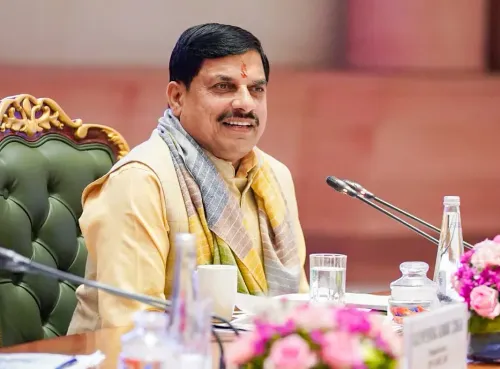
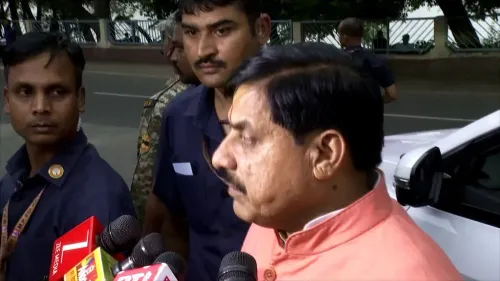
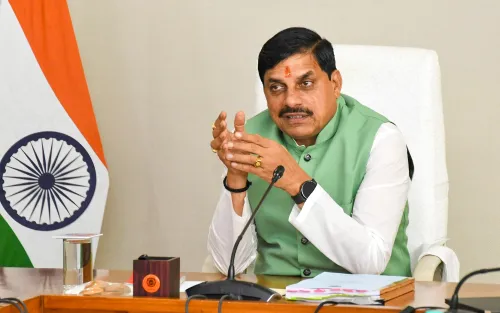
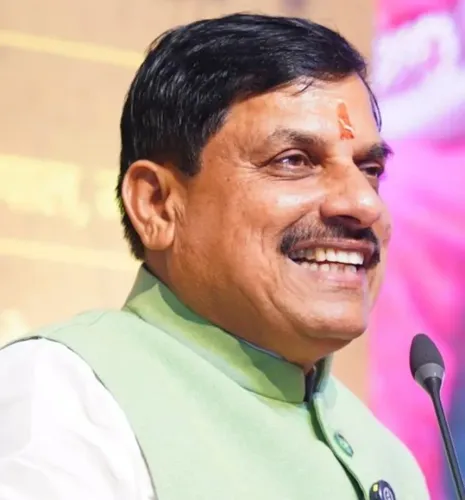
Chief Minister Mohan Yadav said the initiative is designed to build sensitivity, efficiency, and public service commitment from the start of their careers.
Madhya Pradesh has India's largest Scheduled Tribe population , exceeding 21% of the state's total, making tribal administration a critical governance priority.
The deployment aligns with the central government's PM-JANMAN scheme for Particularly Vulnerable Tribal Groups, requiring strong district-level administrative coordination.
Bhopal, April 25: The Madhya Pradesh government has assigned first field postings to eight probationary IAS officers of the 2025 batch, deploying them as Assistant Collectors across the state's tribal belts and developing districts — a strategic move aimed at strengthening grassroots governance and bridging the gap between policy and ground-level implementation.
Official Orders Issued by General Administration Department
The General Administration Department (GAD) issued formal posting orders on Saturday, April 25, 2025, marking the first official field assignments for the newly inducted officers. The placements are specifically concentrated in districts with tribal populations, remote geography, and unique developmental challenges.
This is a deliberate administrative design — not a routine posting exercise. By stationing fresh IAS talent in some of Madhya Pradesh's most complex districts, the state government is betting on experiential learning as the foundation of effective bureaucracy.
Complete List of Postings and Districts
Ms. Ayushi Bansal has been posted to Jhabua, one of the state's most tribal-dominated districts along the Gujarat border. Ashi Sharma will serve in Dhar, another Scheduled Tribe-majority district in the Malwa-Nimar region.
Madhav Agarwal has been assigned to Barwani, while Saumya Mishra will join the administration in Singrauli — an energy-rich but socioeconomically lagging district in eastern MP.
In the central and eastern corridors, Shlok Waikar has been appointed to Katni, Shilpa Chauhan to Khandwa, Khote Pushparaj Nanasaheb to Betul, and Shailendra Chaudhary to Mandla district — all areas with significant Adivasi communities and infrastructure gaps.
What the Government Said
Chief Minister Mohan Yadav stated that the initiative is designed to cultivate sensitivity, professional efficiency, and a dedicated spirit of public service right from the beginning of these officers' careers. He emphasized that working at the grassroots level will enable probationers to understand the lived realities of tribal communities firsthand.
The CM further noted that these officers are expected to act as critical links between government welfare schemes and the most marginalised populations — ensuring that policy intent translates into on-ground delivery.
Strategic Significance of Tribal District Postings
Madhya Pradesh is home to the largest Scheduled Tribe population in India, accounting for over 21% of the state's total population according to Census data. Districts like Jhabua, Dhar, Barwani, and Mandla consistently rank among the most underdeveloped in terms of health, education, and infrastructure indicators.
Placing young IAS officers in these districts is not merely symbolic. It reflects a growing consensus among administrative reformers that early tribal-area exposure produces more empathetic and effective bureaucrats over a full career. Several senior IAS officers who shaped national tribal welfare policy have cited early postings in similar regions as formative experiences.
This comes amid renewed focus on PM-JANMAN — the central government's flagship scheme for Particularly Vulnerable Tribal Groups (PVTGs) — which requires coordinated district-level administration for effective implementation across states including Madhya Pradesh.
Impact on Governance and Tribal Communities
Administrative experts view this deployment as a meaningful step toward inclusive and responsive governance. Fresh officers, unburdened by institutional inertia, often bring energy and innovative problem-solving to districts that have historically seen slow bureaucratic response.
For tribal communities in these districts, the arrival of newly trained IAS officers could mean faster grievance redressal, more active monitoring of welfare schemes, and a direct administrative contact point at the sub-divisional level. However, experts also caution that the impact will depend heavily on mentorship, institutional support, and the officers' own commitment beyond their probationary period.
As these eight officers begin their on-ground tenures, all eyes will be on how effectively they navigate the intersection of tribal rights, land administration, forest governance, and rural development — the defining challenges of interior Madhya Pradesh. Their performance in these districts is likely to shape their long-term postings and career trajectories within the state cadre.
Point of View
Not just a posting order — and it signals a welcome shift from the old model of easing fresh officers into comfortable urban districts first. However, the real test lies not in the posting itself but in whether these officers receive adequate mentorship, resources, and institutional backing to make a measurable difference. Madhya Pradesh's tribal districts have seen decades of policy promises with uneven delivery; what changes outcomes is not the seniority of the officer but the quality of administrative accountability around them. NationPress will track whether this initiative produces systemic change or remains a well-intentioned optic.
NationPress
5 Oct 2026
Frequently Asked Questions
Which IAS officers from the 2025 batch have been posted in Madhya Pradesh tribal districts?
Eight IAS probationers — Ayushi Bansal, Ashi Sharma, Madhav Agarwal, Saumya Mishra, Shlok Waikar, Shilpa Chauhan, Khote Pushparaj Nanasaheb, and Shailendra Chaudhary — have been posted as Assistant Collectors across tribal and developing districts in Madhya Pradesh. The postings were announced on April 25, 2025.
Why are new IAS officers being posted in tribal areas of Madhya Pradesh?
The Madhya Pradesh government aims to give probationary IAS officers early exposure to the complexities of tribal and rural administration. Chief Minister Mohan Yadav stated this will build empathy, professional efficiency, and a ground-level understanding of welfare scheme delivery.
Which districts have received new IAS officer postings in MP in 2025?
The eight districts receiving new IAS probationers are Jhabua, Dhar, Barwani, Singrauli, Katni, Khandwa, Betul, and Mandla. All are tribal-dominated or developing districts in Madhya Pradesh.
What is the significance of posting IAS officers in tribal districts early in their career?
Early tribal-area postings are widely regarded by administrative experts as formative experiences that shape more empathetic and effective bureaucrats. It also ensures that welfare schemes targeting marginalised tribal populations have active, engaged district-level oversight.
How many tribal people live in Madhya Pradesh?
Madhya Pradesh has the largest Scheduled Tribe population of any state in India, comprising over 21% of the state's total population according to Census data. Districts like Jhabua, Dhar, and Mandla are among the most tribal-dense in the country.