MP CMO unveils 'Farmer Welfare Year 2026', targets 2 lakh hectares chemical-free

Synopsis
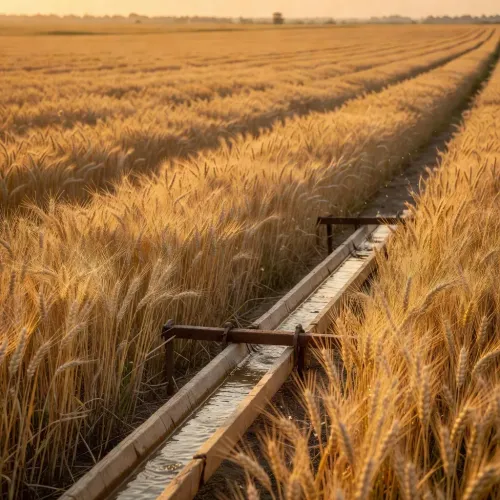
The Chief Minister's Office of Madhya Pradesh has announced a 'Farmer Welfare Year 2026' under which a Kharif 2026 innovation management campaign will target two lakh hectares of farmland to be made chemical-free, marking one of the state's largest single-season pushes for sustainable agriculture.
Key Takeaways
Madhya Pradesh CMO announces 'Krishak Kalyan Varsh 2026' (Farmer Welfare Year 2026).
Special innovation management campaign launched for the Kharif 2026 season.
Headline target: 2 lakh hectares of agricultural land to be made chemical-free.
Initiative tags CM Dr.
Mohan Yadav and the state Agriculture Department.
Builds on frameworks like the Paramparagat Krishi Vikas Yojana (2015) and the National Mission for Sustainable Agriculture.
Implementation details and district-level rollout for Kharif 2026 awaited.
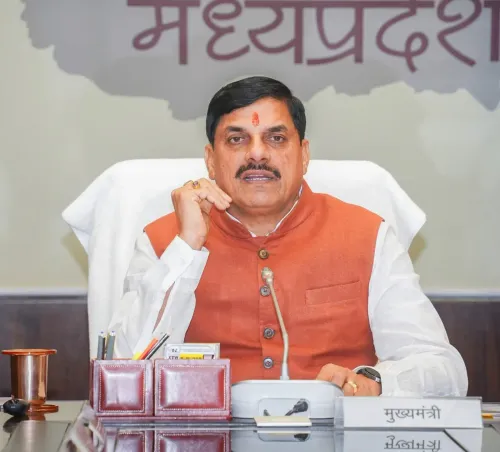
The Chief Minister's Office of Madhya Pradesh on 4 June 2026 announced a flagship 'Innovation Management Campaign' (Navachar Prabandhan Abhiyan) for the Kharif 2026 season under the state government's newly framed 'Krishak Kalyan Varsh 2026' (Farmer Welfare Year 2026). The headline target: bringing two lakh hectares of farmland in Madhya Pradesh out of chemical-based cultivation.
In its post, the CMO described the initiative as a 'special initiative of the innovation management campaign for Kharif 2026 in Madhya Pradesh' with the explicit goal of making 2 lakh hectares of agricultural area chemical-free. The message tagged Chief Minister Dr. Mohan Yadav and the state Agriculture Department, signalling a coordinated push between the CMO and line ministries.
Context
Madhya Pradesh is among India's largest agricultural economies, ranking at the top in wheat, soybean and pulses output. Decades of intensive cropping in the Malwa, Nimar and Bundelkhand belts have raised concerns about soil organic carbon depletion, groundwater stress and rising input bills for cultivators.
A campaign branded around a 'Farmer Welfare Year' positions chemical-reduction as a welfare lever rather than a purely environmental one — linking soil health to farm incomes and input-cost relief, which has been a recurring political theme in the state.
Policy backdrop
The campaign builds on a decade of central and state-level efforts to scale alternative farming. The Paramparagat Krishi Vikas Yojana, launched in 2015, promoted cluster-based organic farming and certification across states. The National Mission for Sustainable Agriculture, operational since 2011, has been the umbrella framework under which Madhya Pradesh expanded organic and natural farming coverage.
The two-lakh-hectare ambition for a single Kharif season would represent a sizeable scale-up over earlier cluster-based interventions, which typically operated across smaller, certified patches. Comparable area-based chemical-reduction targets have surfaced in other major farming states in recent years, reflecting a broader shift toward climate-smart agriculture.
Stakeholders and impact
The primary beneficiaries, as identified in the post, are the state's farmers, particularly smallholders for whom fertiliser and pesticide costs eat into thin margins. A successful rollout could also reshape demand patterns for organic input suppliers, bio-fertiliser units and vermicompost producers operating in the state.
Equally significant is the demand-side question: chemical-free produce typically commands a premium only when backed by credible certification and assured market linkages. Procurement agencies, mandis and private aggregators will watch how the campaign integrates with existing organic certification systems.
For district administrations, the Kharif 2026 window — which begins with the southwest monsoon's onset in June — leaves a compressed timeline to identify clusters, train extension staff and distribute bio-inputs ahead of sowing.
What's next
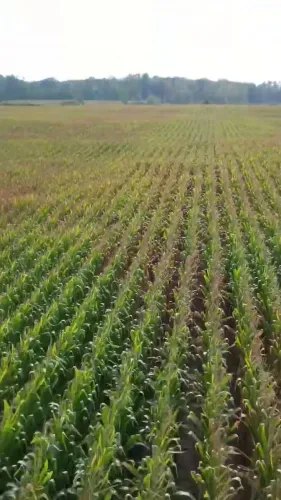
Operational details, including the list of priority districts, the choice of crops covered (soybean, paddy, maize and pulses dominate Kharif in the state), and the bio-input supply chain, are likely to be released by the state Agriculture Department in the coming weeks. Linkages with existing organic certification or dedicated marketing channels will determine whether the chemical-free hectares translate into a price premium for participating cultivators.
If the campaign meets its hectare target within a single Kharif cycle, it would mark one of the largest single-season chemical-reduction pushes by an Indian state — and a template other large grain-producing states may study closely.
Point of View
Not treat it as a niche environmental programme. The two-lakh-hectare ambition is a meaningful scale-up from earlier cluster-based organic interventions and aligns the state with a national pivot toward climate-smart agriculture. The real test will lie in input supply chains, extension capacity and market linkages — without certification and price premiums, chemical-free cultivation can squeeze yields without rewarding farmers. How the campaign integrates with existing schemes will determine whether the headline target translates into durable change on the ground.
NationPress
25 Sept 2026
Frequently Asked Questions
What is Krishak Kalyan Varsh 2026 in Madhya Pradesh?
It is a 'Farmer Welfare Year 2026' framework announced by the Madhya Pradesh government under which a special innovation management campaign for the Kharif 2026 season has been launched. A key target is making two lakh hectares of farmland chemical-free.
How much land will be made chemical-free under the MP Kharif 2026 campaign?
The state has set a target of two lakh hectares of agricultural area to be made chemical-free under the Kharif 2026 innovation management campaign announced by the Chief Minister's Office.
Who is leading the MP chemical-free farming push?
Chief Minister Dr. Mohan Yadav and the state Agriculture Department are leading the initiative, with the Chief Minister's Office of Madhya Pradesh making the formal announcement on 4 June 2026.
How does this campaign connect to existing organic farming schemes?
It builds on policy frameworks such as the Paramparagat Krishi Vikas Yojana, launched in 2015 to promote cluster-based organic farming, and the National Mission for Sustainable Agriculture, under which Madhya Pradesh has expanded organic and natural farming coverage.
When does the Kharif 2026 season begin in Madhya Pradesh?
The Kharif season in Madhya Pradesh begins with the onset of the southwest monsoon in June, with sowing of crops like soybean, paddy, maize and pulses typically through June and July.