Madhya Pradesh to pay ₹217 crore in Narmada water dispute settlement
Synopsis
A dispute that outlasted multiple governments and defied a 1979 tribunal award is finally over. Madhya Pradesh will pay just ₹217 crore to Gujarat — down from a potential ₹1,500 crore liability — after the Centre brokered a revised cost-sharing formula that shifts 75% of resettlement costs onto Gujarat as the dam's principal beneficiary.
Key Takeaways
Madhya Pradesh will pay a one-time ₹217 crore to Gujarat to settle all pending Narmada water dispute obligations.
MP's earlier liability stood at approximately ₹1,500 crore ; the state had also sought ₹7,669 crore in submergence compensation.
Gujarat's share of resettlement costs has been revised upward from 50% to 75% under the final agreement.
The dispute dates to the Narmada Water Disputes Tribunal (NWDT) award of 1979 and involves four states: Madhya Pradesh , Gujarat , Maharashtra , and Rajasthan .
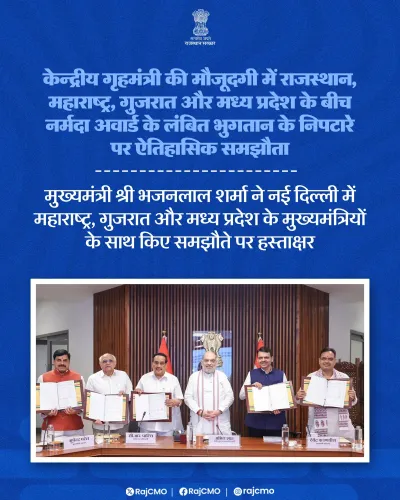
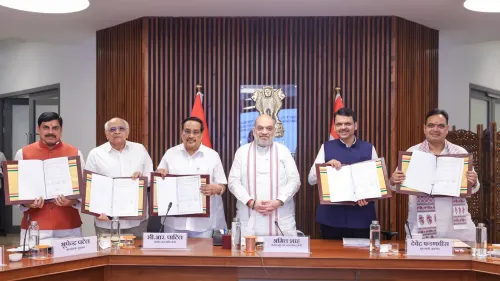
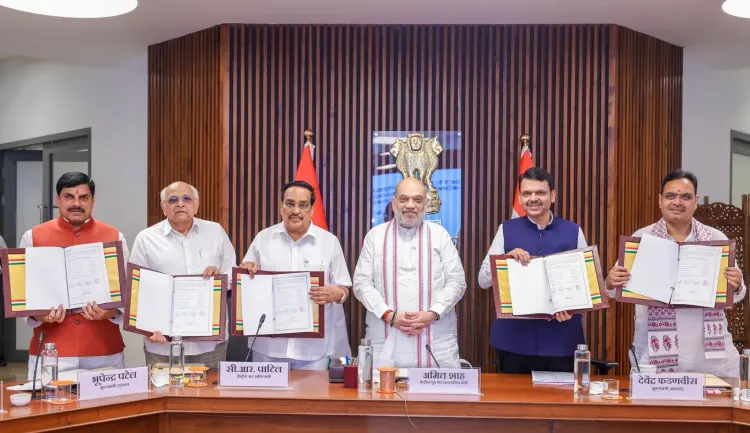
The breakthrough followed an Attorney General of India opinion in February 2026 and a key meeting in New Delhi on 7 July .
Rajasthan has also settled its cost-sharing obligations under the comprehensive agreement.
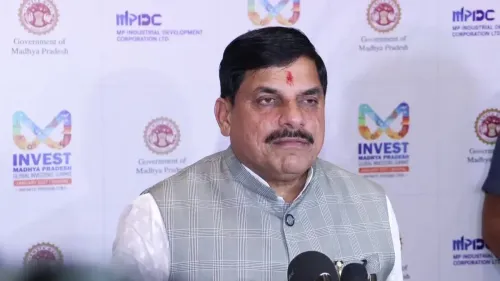
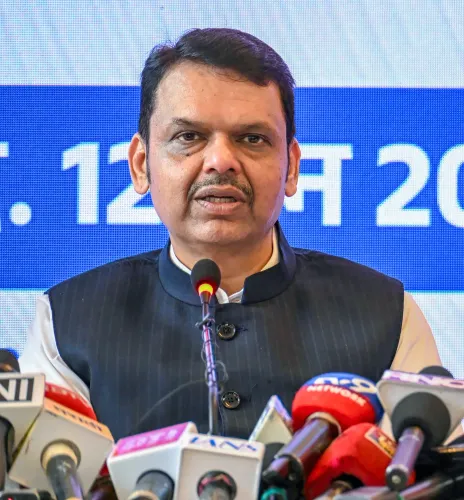
Madhya Pradesh will pay a one-time amount of ₹217 crore to Gujarat to settle all pending obligations under a decades-old water-sharing dispute over the Narmada river, Chief Minister Mohan Yadav announced on Wednesday, 8 July. The breakthrough ends a dispute that had festered since the Narmada Water Disputes Tribunal (NWDT) award of 1979, involving four states — Madhya Pradesh, Gujarat, Maharashtra, and Rajasthan.
How the Settlement Was Reached
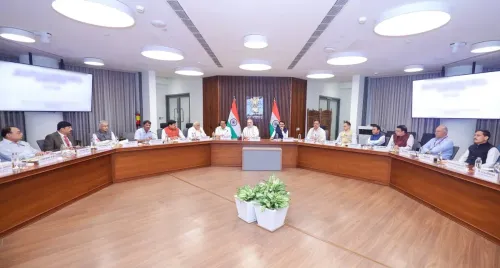
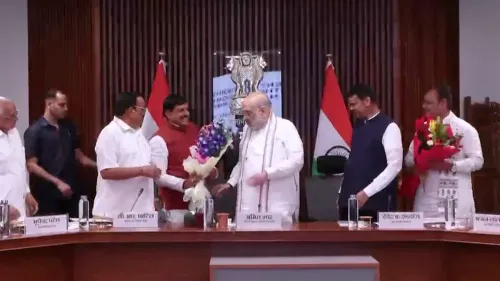
The resolution followed an opinion issued by the Attorney General of India in February 2026 on the sharing of resettlement costs, which unlocked fresh negotiations. A decisive meeting held in New Delhi on Tuesday, 7 July finalised the cost-sharing formula. Under the revised arrangement, Gujarat will bear 75 per cent of resettlement and rehabilitation costs — up from the earlier 50 per cent — substantially reducing Madhya Pradesh's financial exposure.
Prior to the settlement, Madhya Pradesh was staring at a liability of approximately ₹1,500 crore. The state had also historically sought compensation of around ₹7,669 crore for submergence-related impacts caused by the dam. The final one-time payment of ₹217 crore represents a dramatic reduction from both figures.
Background: A Dispute Four Decades in the Making
The Sardar Sarovar Dam is located in Gujarat, but its reservoir causes submergence in the upstream states of Madhya Pradesh and Maharashtra. The NWDT was constituted to adjudicate the sharing of the river's benefits and costs, and its 1979 award required Gujarat — as the principal beneficiary of irrigation and drinking water — to bear a substantial share of land acquisition and resettlement expenditure in upstream states. Despite this, disputes over cost-sharing, resettlement expenditure, and compensation remained unresolved for over four decades.
The core contention centred on historical liabilities relating to land acquisition, construction borrowings, and resettlement and rehabilitation (R&R) costs. Under the final agreement, these historical liabilities have been substantially waived or restructured to enable a comprehensive settlement.
What the States Agreed To
Gujarat, as the principal beneficiary of the project's irrigation and drinking water supply, will bear the largest financial burden under the settlement and can now proceed free of any pending litigation tied to the dispute. Rajasthan, which also benefited from irrigation and agricultural development through Narmada waters, has similarly settled its cost-sharing obligations under the agreement.
Chief Minister Mohan Yadav shared the details during a Council of Ministers meeting in Bhopal, expressing gratitude to Prime Minister Narendra Modi, Union Home Minister Amit Shah, and Union Jal Shakti Minister C.R. Paatil for their intervention. State Minister for Micro, Small and Medium Enterprises Chaitanya Kumar Kashyap confirmed the announcement.
Significance and What Comes Next
The settlement is significant because it clears the legal and financial overhang that had complicated water-use planning and infrastructure investment across all four states for decades. With the Union Ministry's mediation now concluded, Gujarat can proceed with Narmada project operations without the cloud of inter-state litigation. For Madhya Pradesh, the resolution frees up fiscal headroom that would otherwise have been locked in contingent liabilities. All parties are expected to formalise the agreement in the coming weeks.
Point of View
But the more consequential shift is structural: moving Gujarat's cost burden from 50% to 75% sets a precedent that downstream beneficiaries bear proportionate resettlement costs — a principle that will matter in future inter-state water projects. What this settlement does not resolve is the broader question of whether the NWDT framework is fit for purpose; four decades to enforce a 1979 award is an indictment of the tribunal mechanism, not a vindication of it. The Centre's mediation role here also signals that inter-state water disputes may increasingly bypass judicial timelines in favour of political brokerage — a trend worth watching as climate stress intensifies competition for river water.
NationPress
7 Oct 2026
Frequently Asked Questions
What is the Narmada water dispute settlement between Madhya Pradesh and Gujarat?
It is a comprehensive financial agreement under which Madhya Pradesh will pay a one-time amount of ₹217 crore to Gujarat to settle all pending cost-sharing obligations arising from the Narmada river project. The deal ends a dispute that had remained unresolved for over four decades despite a 1979 tribunal award.
Why was Madhya Pradesh liable to pay Gujarat in the Narmada dispute?
Under the 1979 NWDT award, Gujarat — as the dam's principal beneficiary — was required to fund a share of resettlement and land acquisition costs in upstream states. Disputes arose over the exact proportions, leaving cross-obligations between states unresolved. The final settlement restructures these liabilities, with MP paying ₹217 crore as a net settlement amount.
How did the Centre help resolve the Narmada water dispute?
The Union Ministry of Jal Shakti mediated the negotiations, and an Attorney General of India opinion issued in February 2026 on resettlement cost-sharing provided the legal basis for a revised formula. A conclusive meeting in New Delhi on 7 July finalised the settlement terms.
How much did Madhya Pradesh's liability reduce under the settlement?
MP's liability fell from approximately ₹1,500 crore to ₹217 crore after Gujarat's share of resettlement costs was raised from 50% to 75%. MP had also historically sought ₹7,669 crore in submergence compensation, making the final settlement a significant reduction.
Which states are part of the Narmada water dispute agreement?
The dispute involved four states: Madhya Pradesh, Gujarat, Maharashtra, and Rajasthan. All have now settled their respective cost-sharing obligations under the comprehensive agreement brokered by the Centre.