Was the 65-Year-Old Accused in the Mumbai 2011 Triple Blasts Granted Bail?

Synopsis
In a significant legal development, the Bombay High Court has granted bail to Kafeel Ahmed Mohd Ayub, a 65-year-old accused in the 2011 Mumbai triple blasts case, after almost 13 years in custody. This decision highlights the importance of a timely trial and the rights of the accused under the Constitution.
Key Takeaways
Kafeel Ayub has been granted bail after nearly 13 years in jail.
The decision highlights the issue of prolonged trials in India.
The ruling references the constitutional right to a speedy trial.
The 2011 Mumbai blasts resulted in significant casualties.
Implications of this case could influence future legal proceedings.
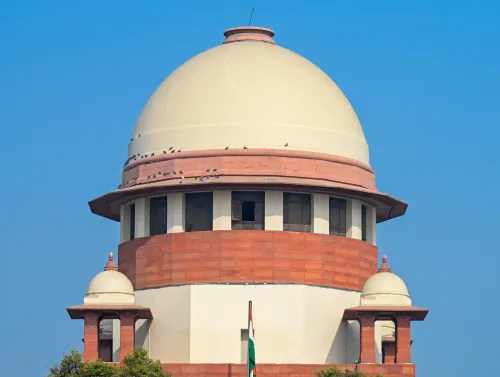
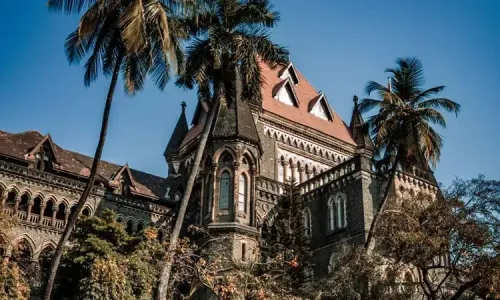
Mumbai, Nov 4 (NationPress) The Bombay High Court has granted bail to a 65-year-old accused in the 2011 Mumbai triple blasts case, acknowledging the extensive duration of the trial as a justifiable reason for granting relief to the Bihar resident.
Kafeel Ahmed Mohd Ayub, aged 65, will be released on bail after nearly 13 years since his arrest in the 2011 Mumbai triple blasts case, upon providing a personal bond of Rs 1 lakh.
In granting relief to Ayub, the Bench of Justices A.S. Gadkari and Ranjitsinha Raja Bhonsale noted that the prosecution had only examined 173 out of the 800 witnesses listed by May 2022, the month when Ayub filed his bail plea.
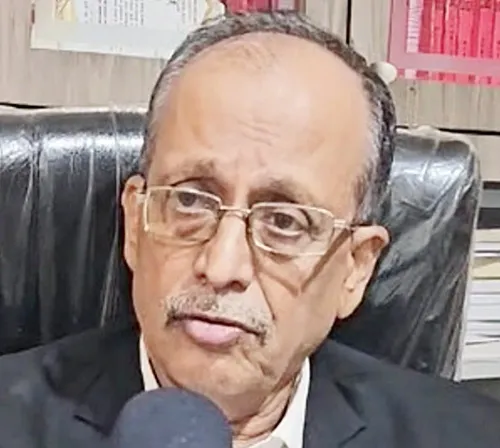
Ayub’s attorney, Mobin Solkar, argued that holding him indefinitely was unconstitutional.
Solkar highlighted that Ayub, a resident of Bihar, had spent over a decade in jail without any indication of a speedy trial.
After the ruling, Solkar informed reporters that the Bench referenced the Supreme Court's decision in K.A. Najeeb's case, which is applicable here, affirming that Ayub is entitled to bail.
The Supreme Court's ruling in the 2021 K.A. Najeeb case established that granting bail due to prolonged trials is a constitutional right related to life and the right to a speedy trial.
The three blasts in Mumbai occurred at Zaveri Bazar, Opera House, and Dadar Kabutarkhana on July 13, 2011, resulting in the deaths of 21 individuals and injuring 113. The police charged 11 suspects, including alleged members of the Indian Mujahideen.
The Mumbai ATS investigated the case, and in February 2012, the Delhi Police apprehended Ayub. He has been in custody at Mumbai's Arthur Road Jail since.
The prosecution claimed that Ayub allegedly incited youth to engage in jihad and, alongside the primary accused, Yasin Bhatkal – a key IM operative – provided them with support. Bhatkal, currently sentenced to death for the Hyderabad blasts, is also implicated in the Mumbai triple blasts case.
In his bail application, Ayub contended that the allegations were ambiguous, and the prosecution did not demonstrate that he had any knowledge of the bombing conspiracy.
Ayub asserted he is an Indian citizen with no intention of fleeing and argued that denying him bail after such an extended period of incarceration undermines democracy and the rule of law.
Point of View
It is vital to recognize the delicate balance between justice and the rights of the accused. The Bombay High Court's decision to grant bail reflects the ongoing challenges regarding prolonged trials in India. Upholding the principles of democracy and the rule of law is essential, and this case serves as a reminder of the need for timely legal proceedings.
NationPress
30 Sept 2026
Frequently Asked Questions
What was the reason for granting bail to Kafeel Ayub?
The Bombay High Court granted bail due to the prolonged trial, with only 173 out of 800 witnesses examined.
How long has Kafeel Ayub been in custody?
Kafeel Ayub has been in custody for nearly 13 years since his arrest in 2012.
What is the significance of the K.A. Najeeb case ruling?
The K.A. Najeeb case ruling establishes that prolonged detention without a speedy trial infringes on constitutional rights.
What were the outcomes of the 2011 Mumbai blasts?
The 2011 Mumbai blasts resulted in 21 fatalities and 113 injuries.
What allegations were made against Kafeel Ayub?
Kafeel Ayub was accused of inciting youth to commit 'jihad' and providing assistance to the primary accused, Yasin Bhatkal.