Mumbai gets 238 metro-grade local trains by 2027, Thane-Borivali tunnel TBM launched
Synopsis
Mumbai's suburban rail system is about to get a metro makeover — 238 air-conditioned, automatic trains by 2027 and a full network transition by March 2030. Add India's longest underground highway tunnel cutting Thane-to-Borivali travel to 12 minutes, and the scale of what CM Fadnavis unveiled on 13 August is hard to overstate. The real question is whether execution matches the ambition.
Key Takeaways
238 metro-grade suburban trains approved for introduction by 2027 ; full network transition by March 2030 .
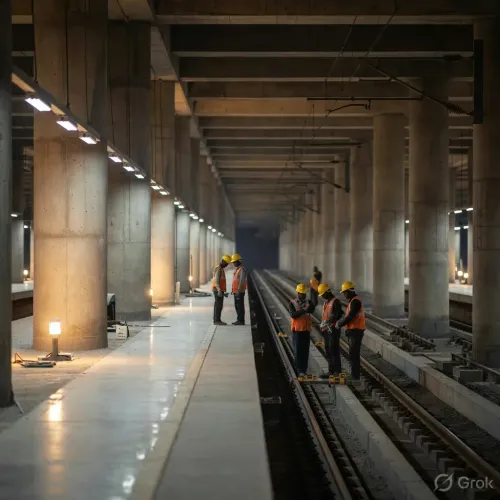
TBM 'Arjuna' launched on 13 August for the second bore of the Thane–Borivali Twin Tunnel , set to be India's longest underground highway tunnel.
The tunnel will cut the Thane–Borivali route from 23 km to 11 km , reducing travel time to 12–15 minutes .
The final BKC connector road (Bharat Nagar Road to Vakola Junction) was inaugurated, completing an eight-route network planned since 2017–18 .
Mumbai's suburban trains carry 90 lakh passengers daily; the metro expansion targets capacity for an additional 70 lakh commuters .
60–70 km of new metro lines are set to open in 2025 alone.
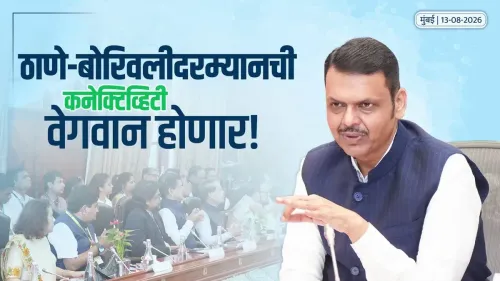
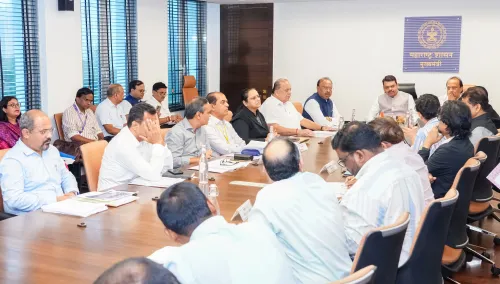
Maharashtra Chief Minister Devendra Fadnavis on Thursday, 13 August announced that the Central Government has approved the manufacture of suburban local trains modelled on metro-rail standards, marking what he called a landmark day for the Mumbai Metropolitan Region's transportation network. Factories currently producing trains such as the Vande Bharat will now be repurposed to build automatic, air-conditioned, metro-style suburban coaches.
Metro-Grade Locals: What Changes for Commuters
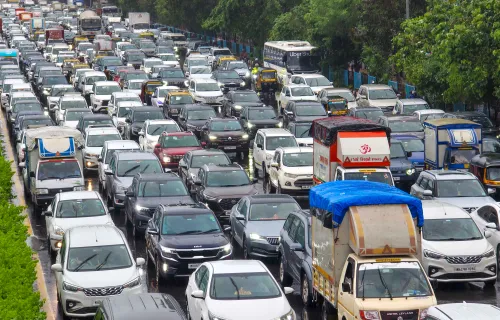
Fadnavis said the stark contrast between clean, air-conditioned metro rides and the crowded, ageing suburban local experience will soon be a thing of the past. A total of 238 metro-grade suburban trains are slated for introduction by 2027, with the full suburban network transitioning to metro-style rolling stock by March 2030. Suburban trains currently carry 90 lakh passengers daily, while the expanding metro network is being built to serve an additional 70 lakh commuters.
Key Developments at the MMRDA Event
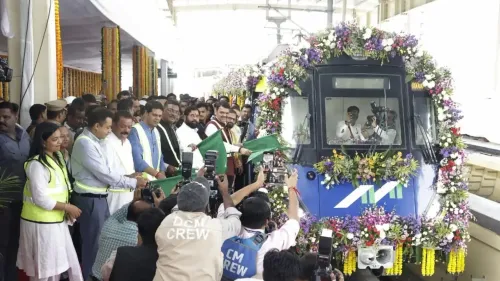
The announcements were made during a virtual event organised by the Mumbai Metropolitan Region Development Authority (MMRDA), which saw two major infrastructure milestones. First, Tunnel Boring Machine (TBM) 'Arjuna' was launched from the Thane side of the Thane–Borivali Twin Tunnel Project for the second tunnel bore, running parallel to the first bore already underway via TBM 'Nayak'. Two additional TBMs are expected to be deployed from the Borivali side shortly. Second, the flyover connecting BKC's G-Block to the Eastern Express Highway was formally named after freedom fighter and former Chief Minister Barrister Babasaheb Anantrao Bhosale.
Thane–Borivali Tunnel: National Record in the Making
The Thane–Borivali Twin Tunnel Project is set to feature India's longest underground highway tunnel, according to Fadnavis. The current 23 km road distance between Thane and Borivali will be cut to 11 km, with travel time expected to drop to just 12 to 15 minutes. Fadnavis said Maharashtra is setting a new national benchmark in infrastructure with this project.
BKC Connectivity and Western Mumbai Linkages
To permanently address traffic congestion around the Bandra-Kurla Complex (BKC), a plan to build connector roads was initiated in 2017–18, originally covering six routes and later expanded to eight. The inauguration of the final connector link completes this network, providing a major boost to connectivity between Eastern and Western Mumbai. The new elevated route from Bharat Nagar Road (University Campus) to Vakola Junction is designed to ensure seamless travel. Targeted measures, including underpasses on the Western Express Highway, will address potential bottlenecks near off-ramps. The newly inaugurated Chembur Metro Station is also expected to deliver critical transit integration for Mumbaikars.
Metro Expansion at Scale
The Chief Minister highlighted that 60 to 70 kilometres of new metro lines will be commissioned this year alone. This comes amid a broader push to modernise Mumbai's transit infrastructure, which has long struggled to keep pace with the city's population density. Notably, this is among the most ambitious single-year metro rollouts in India's history. With metro-grade locals, BKC connectors, and the twin tunnel all advancing simultaneously, Mumbai's infrastructure overhaul is moving on multiple fronts at once — though execution timelines in large urban projects have historically faced slippage.
Point of View
But so is the pattern. Mumbai's infrastructure announcements have a long history of bold timelines and delayed deliveries — the original metro lines took years beyond their projected dates. The shift to metro-grade rolling stock is structurally sound, given the capacity crunch on suburban rail, but the 2027 and March 2030 deadlines will require procurement, testing, and network integration to run concurrently without the usual bureaucratic drag. The Thane–Borivali tunnel is the more credible near-term marker: TBMs are in the ground, and physical progress is harder to defer. Whether the trains follow on schedule will be the real test of whether this is a turning point or another well-intentioned headline.
NationPress
28 Sept 2026
Frequently Asked Questions
What are the new metro-grade suburban trains announced for Mumbai?
The Central Government has approved the manufacture of automatic, air-conditioned suburban local trains built to metro-rail standards. A total of 238 such trains are to be introduced by 2027, with the full suburban network transitioning to metro-style rolling stock by March 2030.
What is the Thane–Borivali Twin Tunnel Project?
It is an infrastructure project that will feature India's longest underground highway tunnel, cutting the Thane–Borivali road distance from 23 km to 11 km and reducing travel time to 12–15 minutes. TBM 'Nayak' is already boring the first tunnel, and TBM 'Arjuna' was launched on 13 August for the second bore.
What is the BKC connector road that was inaugurated?
The final link in an eight-route connector road network — originally planned as six routes in 2017–18 — was inaugurated, completing the BKC connectivity plan. The new elevated route runs from Bharat Nagar Road (University Campus) to Vakola Junction, linking Eastern and Western Mumbai.
Who was the BKC flyover named after, and why?
The flyover connecting BKC's G-Block to the Eastern Express Highway was named after freedom fighter and former Maharashtra Chief Minister Barrister Babasaheb Anantrao Bhosale. During his tenure, he launched welfare initiatives for freedom fighters, created Gadchiroli district, made girls' education free up to Class 10, and inaugurated the Aurangabad (Sambhaji Nagar) bench of the Bombay High Court.
How many passengers do Mumbai's suburban trains currently carry, and how will the metro expansion help?
Mumbai's suburban trains currently carry 90 lakh passengers daily. The expanding metro network is being built to serve an additional 70 lakh commuters, and 60–70 km of new metro lines are expected to open in 2025 alone.