Mumbai prohibitory orders in force till Aug 6 amid NEET protests
Synopsis
Mumbai is under prohibitory orders until 6 August — a sweeping two-week clampdown triggered by solidarity protests over the NEET-UG paper leak. With eight FIRs already filed against nearly 900 people and police deployed at sensitive locations citywide, authorities are signalling that dissent on the street will come at a legal cost.
Key Takeaways
Mumbai Police imposed prohibitory orders effective 24 July , lasting until 6 August 2024 , covering the entire city.
Gatherings of five or more persons are restricted under Section 37 of the Maharashtra Police Act, 1951 .
Eight FIRs have been registered against nearly 900 persons for participating in NEET-related protest demonstrations.
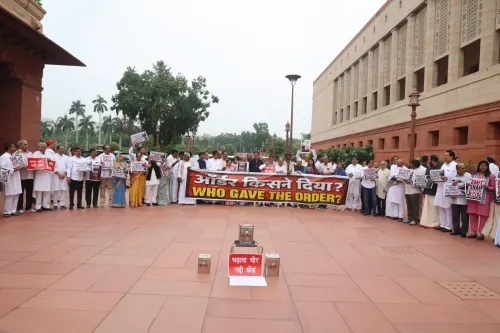
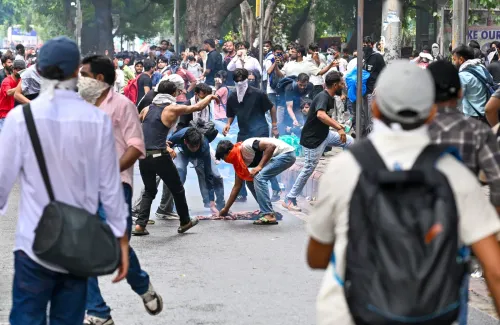
The orders follow violent protests on 20 July , when CJP supporters and students marched from Jantar Mantar to Parliament demanding Union Education Minister Dharmendra Pradhan's resignation.
Violations can attract FIRs under Section 223 of the BNS , Section 135 of the Maharashtra Police Act , and Sections 189–190 of the BNS .
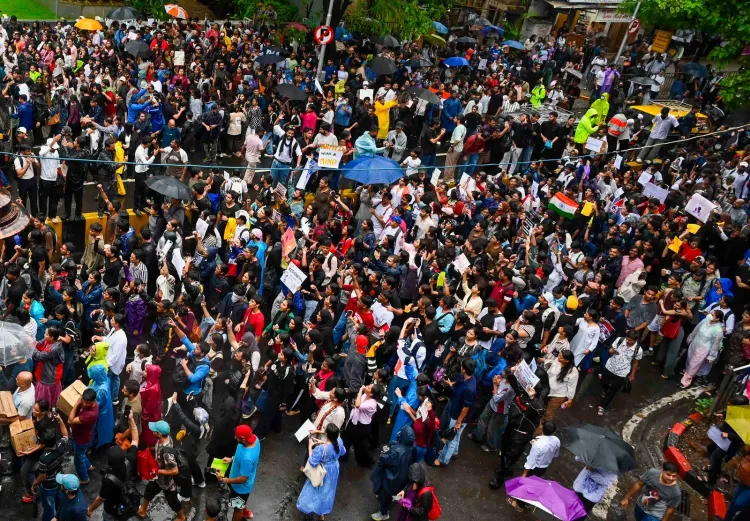
Mumbai Police imposed prohibitory orders across the city effective Thursday, 24 July, restricting gatherings of five or more persons until 6 August, following a wave of protests in solidarity with the Cockroach Janata Party (CJP) movement over the NEET-UG paper leak. The orders were issued as a preventive measure to maintain law and order after demonstrations swept parts of the city.
What the Orders Restrict
The prohibitory orders, imposed under Section 37 of the Maharashtra Police Act, 1951, carry sweeping restrictions. The carrying of arms or explosives is banned outright. Authorities have also prohibited the public exhibition of persons, corpses or effigies, along with public utterances of slogans, singing, playing of music, and delivery of speeches.
The order further bars gestures, mimetic representations, and the display or dissemination of pictures, symbols, placards or any objects that, in the opinion of the competent authority, may offend decency or morality, undermine state security, or tend to overthrow the State.
Why Mumbai Police Acted
According to the police order, intelligence inputs from multiple sources pointed to a 'likelihood of breach of peace and disturbance of public tranquillity' and a 'grave danger to human lives and loss of properties.' These inputs prompted authorities to impose city-wide restrictions rather than confine them to specific localities.
This comes after Mumbai Police registered eight FIRs against nearly 900 persons for participating in demonstrations organised in solidarity with the CJP's campaign against recurring examination irregularities, including the NEET-UG paper leak.
Background: The July 20 Protests
The prohibitory orders follow violent protests that erupted on 20 July, when thousands of CJP supporters and students marched from Jantar Mantar in New Delhi towards Parliament, demanding the resignation of Union Education Minister Dharmendra Pradhan over examination irregularities. The march drew national attention and triggered solidarity demonstrations in Mumbai and other cities.
Notably, this is among the most expansive police responses to protest activity seen in Mumbai in recent years, with restrictions spanning nearly two weeks and covering the entire city rather than specific protest zones.
Police Warning and Deployment
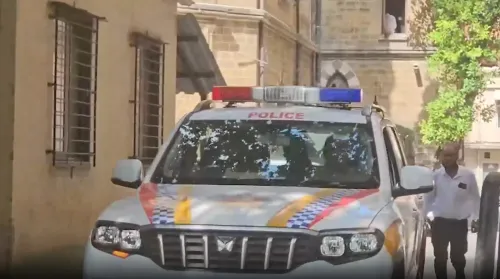
Authorities have intensified deployment at sensitive locations across Mumbai. Police have warned that any protest organised without prior permission could lead to FIRs under Section 223 of the Bharatiya Nyaya Sanhita (BNS) or Section 135 of the Maharashtra Police Act for disobeying a lawful order. Sections 189 and 190 of the BNS, relating to unlawful assembly, may also be invoked.
The restrictions will remain in force until 6 August, with authorities signalling a zero-tolerance approach to unsanctioned public gatherings during this period.
Point of View
Which go well beyond banning assemblies to prohibiting music, slogans, and even symbolic displays, raises questions about proportionality. The NEET paper leak is a legitimate public grievance with documented irregularities; criminalising solidarity protests rather than expediting accountability on the leak itself risks deepening public distrust. With nearly 900 people already facing FIRs, the legal net appears wide enough to deter even peaceful dissent — a tension that courts may be asked to scrutinise before 6 August.
NationPress
21 Oct 2026
Frequently Asked Questions
Why has Mumbai imposed prohibitory orders?
Mumbai Police imposed prohibitory orders following demonstrations in the city in solidarity with the Cockroach Janata Party's campaign over the NEET-UG paper leak. Intelligence inputs indicated a likelihood of breach of peace and danger to lives and property, prompting the city-wide restrictions.
How long will the prohibitory orders remain in force?
The prohibitory orders are effective from Thursday, 24 July, and will remain in force until 6 August 2024. They cover the entire city of Mumbai.
What activities are banned under the Mumbai prohibitory orders?
The orders ban gatherings of five or more persons, carrying of arms or explosives, public sloganeering, singing, playing music, delivering speeches, and displaying placards, symbols or effigies. The restrictions are imposed under Section 37 of the Maharashtra Police Act, 1951.
What legal action can be taken against those who violate the orders?
Violators can face FIRs under Section 223 of the Bharatiya Nyaya Sanhita (BNS) or Section 135 of the Maharashtra Police Act for disobeying a lawful order. Sections 189 and 190 of the BNS, relating to unlawful assembly, may also be invoked.
What triggered the NEET protests that led to these orders?
On 20 July, thousands of CJP supporters and students marched from Jantar Mantar in New Delhi towards Parliament, demanding the resignation of Union Education Minister Dharmendra Pradhan over the NEET-UG paper leak and recurring examination irregularities. Solidarity protests in Mumbai followed, leading to eight FIRs against nearly 900 persons.