JP Nadda slams Opposition in Rajya Sabha over NEET disruptions
Synopsis
JP Nadda accused the Opposition of shattering Parliament's decorum over the NEET paper leak row, even as the government repeatedly signalled openness to debate. With the Monsoon Session paralysed and the Opposition demanding Education Minister Dharmendra Pradhan's resignation, the standoff has moved from a student crisis to a full-blown parliamentary confrontation.
Key Takeaways
Nadda accused the Opposition of ‘highly irresponsible’ conduct in Rajya Sabha on 22 July , saying Parliament’s decorum was being shattered.
The deadlock stems from the NEET paper leak controversy, with the Opposition demanding debate and the resignation of Education Minister Dharmendra Pradhan .
Parliamentary Affairs Minister Kiren Rijiju made a fresh appeal at 2 pm for the Opposition to allow the House to function.
The government says it is open to debate on all student-related issues without preconditions; the Opposition has continued to impose fresh conditions.
Nadda termed the Opposition’s approach ‘anti-people’, accusing it of bypassing meaningful discussion in favour of repeated sloganeering.
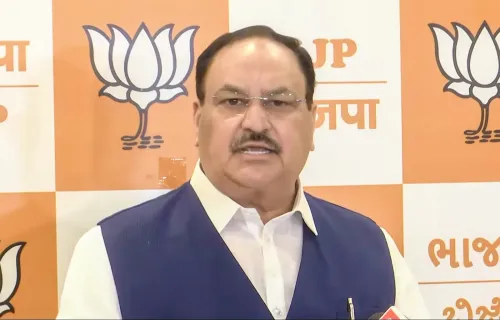
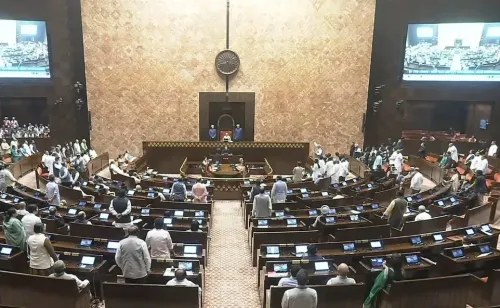
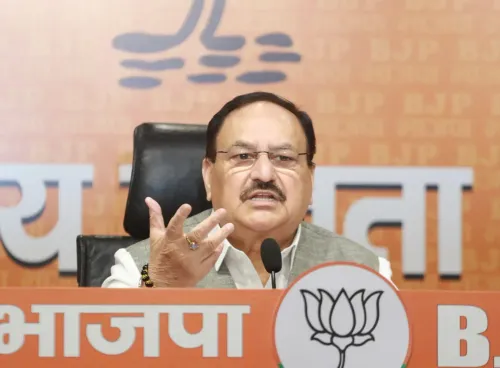
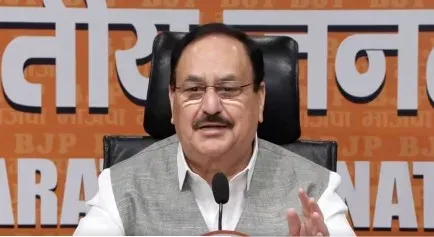
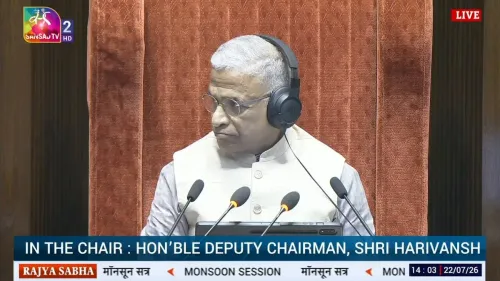
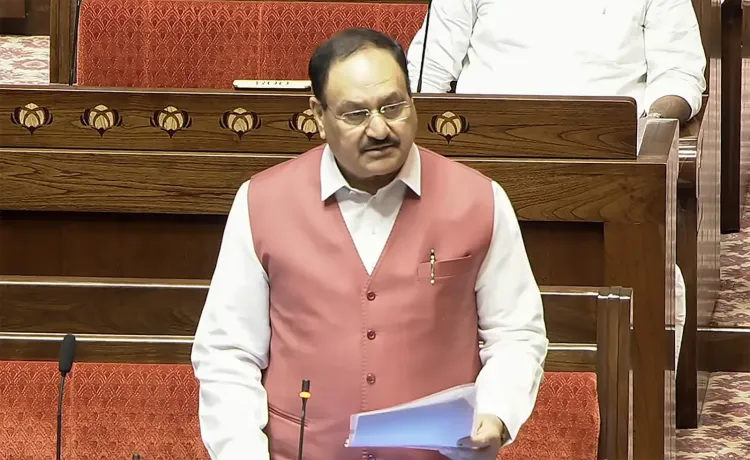
Bharatiya Janata Party (BJP) president and Union Minister J.P. Nadda, who serves as Leader of the Upper House, on Wednesday, 22 July launched a sharp attack on the Opposition in Rajya Sabha, accusing it of shattering Parliament's decorum through what he called ‘highly irresponsible’ conduct amid an ongoing deadlock over the National Eligibility-cum-Entrance Test (NEET) paper leak controversy. The outburst came as the Monsoon Session continued to be paralysed by repeated disruptions, with the Opposition demanding both a structured debate and the resignation of Education Minister Dharmendra Pradhan.
Nadda's Charge Against the Opposition
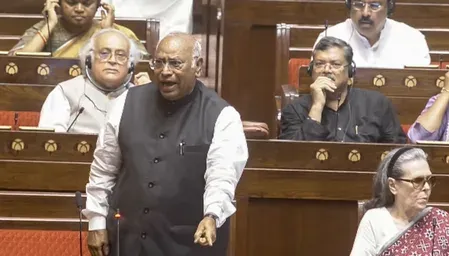
Speaking on the floor of Rajya Sabha, Nadda did not hold back. “The decorum of Parliament is being shattered. They are doing a great disservice to the House by disrespecting democratic traditions and violating the long-held values,” he said. He accused the Opposition of acting in an ‘anti-people’ manner by attempting to bypass meaningful debate rather than engage with the issue substantively. “Their conduct shows lack of faith in democratic processes and Parliamentary values,” Nadda added, stressing that discussion and dialogue on important issues constitute the true essence of democracy.
Government's Position on NEET Debate
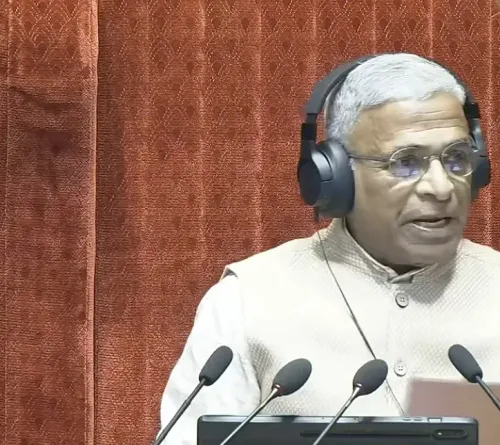
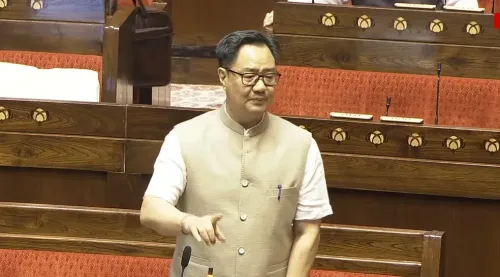
Nadda underscored that Parliamentary Affairs Minister Kiren Rijiju had already communicated the government’s willingness to hold a debate on all aspects related to students and the NEET controversy. After the Upper House resumed proceedings at 2 pm, Rijiju made a fresh appeal to the Opposition to allow the House to function. He noted that the government had agreed to Opposition demands, but the latter continued to block proceedings by imposing fresh conditions. Rijiju questioned the intent behind ‘repeated sloganeering’ instead of engaging in a structured debate. Backing Rijiju’s appeal, Nadda asserted that the Narendra Modi government operates with transparency and remains committed to decisions in the public interest.
Background: NEET Row and the Monsoon Session Impasse
The standoff has persisted since the opening of the Monsoon Session. The Opposition has consistently demanded a discussion on the NEET paper leak fiasco, which triggered nationwide protests from students and parents earlier this year, and has called for Pradhan’s resignation as a precondition for normalcy. The government, however, has maintained that it is open to debate without preconditions, accusing the Opposition of using the crisis as a political tool rather than seeking genuine accountability. This is not the first time the Monsoon Session has been disrupted over a high-stakes education or examination controversy, but the NEET row has proven particularly volatile given its direct impact on lakhs of medical aspirants across India.
What Happens Next
With both sides entrenched in their positions, the immediate outlook for productive parliamentary business in Rajya Sabha remains uncertain. The government’s repeated offers for debate without preconditions have so far not broken the logjam. Whether the Opposition will relent or escalate its agitation — potentially spilling into Lok Sabha proceedings — will determine the trajectory of the remainder of the Monsoon Session.
Point of View
But it does not resolve the underlying problem: lakhs of NEET aspirants are waiting for accountability, not parliamentary theatre from either side. The government’s offer to debate ‘all issues’ rings hollow if it is not accompanied by a credible, time-bound response on the paper leak investigation. Equally, the Opposition’s precondition of a ministerial resignation before any debate is a tactic that sacrifices student interest for political leverage. The real casualty of this impasse is the legislative agenda of the Monsoon Session itself — and the students whose futures hang on a credible resolution of the NEET crisis.
NationPress
21 Oct 2026
Frequently Asked Questions
Why did JP Nadda criticise the Opposition in Rajya Sabha on 22 July?
J.P. Nadda accused the Opposition of shattering Parliament’s decorum through ‘highly irresponsible’ conduct amid a deadlock over the NEET paper leak controversy. He said the Opposition was blocking proceedings despite the government’s stated willingness to hold a debate on all student-related issues.
What is the NEET paper leak controversy?
The NEET paper leak refers to allegations that question papers for the National Eligibility-cum-Entrance Test — India’s primary medical entrance examination — were leaked ahead of the 2024 exam, triggering nationwide student protests. The Opposition has demanded a parliamentary debate and the resignation of Education Minister Dharmendra Pradhan over the fiasco.
What has the government said about holding a debate on NEET?
Parliamentary Affairs Minister Kiren Rijiju stated that the government is open to debating all aspects of the NEET issue and student concerns without preconditions. He made a fresh appeal on 22 July for the Opposition to allow the House to function and engage in structured debate.
What conditions has the Opposition imposed?
The Opposition has demanded the resignation of Education Minister Dharmendra Pradhan as a precondition for allowing normal parliamentary proceedings. The government has agreed to debate but rejected the resignation demand, leading to a continuing impasse.
What is the broader impact of the Rajya Sabha disruptions?
The repeated disruptions have paralysed the Monsoon Session, stalling legislative business. The standoff affects not just the NEET accountability process but also other pending bills and debates, with no immediate resolution in sight as both sides remain entrenched.