JP Nadda accuses Rahul Gandhi of using NEET paper leak for politics
Synopsis
Union Health Minister JP Nadda called out Rahul Gandhi by name for 'deriving political mileage' from the NEET paper leak crisis — while simultaneously offering the Opposition a blank cheque on Parliament debate duration (12 to 18 hours). The move shifts the BJP's posture from defence to challenge, but the underlying question of systemic examination failure remains unanswered.
Key Takeaways
Nadda accused Rahul Gandhi of exploiting the NEET paper leak issue for political gain at a press conference on 22 July .
Nadda acknowledged paper leaks as a 'serious problem' and called students' concerns genuine.
The government offered to debate the issue in Parliament for up to 12 to 18 hours , leaving duration to the Opposition's discretion.
Nadda cited paper leaks in Jharkhand and Telangana — states not ruled by BJP — to counter the Opposition's narrative.
Rahul Gandhi had claimed approximately 150 paper leaks occurred over the past decade; Nadda said the government would investigate and present facts.
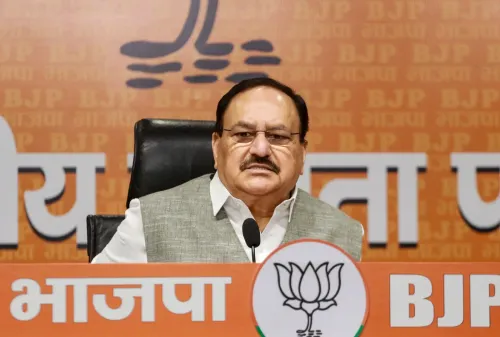
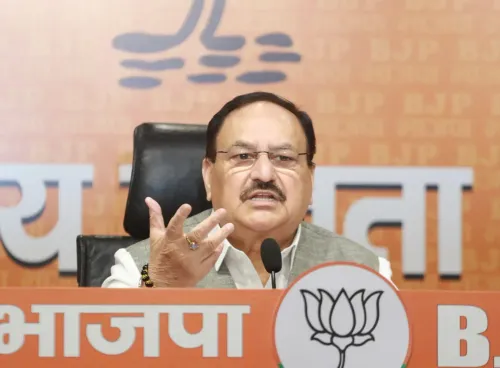
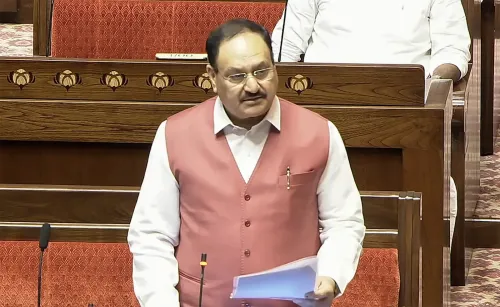
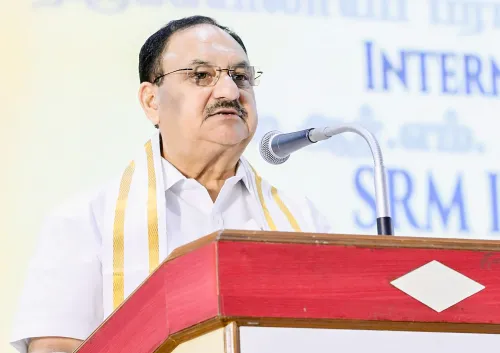
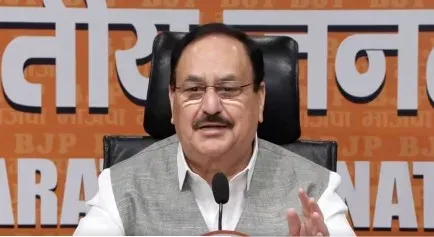
Union Health Minister J.P. Nadda on Wednesday, 22 July accused Leader of Opposition Rahul Gandhi of exploiting student grievances over examination paper leaks for political gain, while asserting that the government was fully prepared for a comprehensive debate on the matter in Parliament. Nadda made the remarks at a press conference in New Delhi amid ongoing protests over the NEET paper leak controversy.
Nadda Calls Paper Leaks a Genuine Concern
Nadda did not downplay the gravity of the issue. He described paper leaks as a 'serious problem' and acknowledged that students' concerns were legitimate. 'The issue raised by the students, particularly paper leaks, is a genuine concern. My first appeal is that we should not politicise this issue or seek political gains from it. This is a serious problem and deserves a thorough and sincere discussion,' he said.
The minister's acknowledgement is notable given that the Bharatiya Janata Party (BJP)-led Centre has faced sustained criticism over the handling of the NEET examination and alleged irregularities in its conduct.
Direct Attack on Rahul Gandhi
Nadda trained his sharpest criticism on Congress leader Rahul Gandhi, alleging that the Opposition was prioritising political optics over student welfare. 'Getting justice for students is not your objective. Rahul Gandhi is trying to derive political mileage from this issue. We should discuss this matter, and that discussion will take place in Parliament,' he said.
Responding to Gandhi's claim that approximately 150 examination paper leaks had occurred over the past decade, Nadda said the matter was under investigation. 'This is a matter of investigation, and the government, being a responsible government, will certainly investigate and present the truth before the people and the nation,' he said.
BJP Pushes Back on 'BJP-State' Narrative
Nadda firmly rejected attempts to frame the paper leak problem as confined to BJP-governed states. He pointed out that similar incidents had occurred in states ruled by the Congress, the Dravida Munnetra Kazhagam (DMK), and the All India Trinamool Congress (TMC). 'Congress governments have witnessed more paper leaks. Paper leaks have taken place in Jharkhand and Telangana, where the BJP is not in power. This is not the time to divide the issue into 'our governments' and 'your governments'. It is a long list that also includes UPA governments where paper leaks occurred,' he said.
This counter-narrative is a recurring BJP tactic — broadening the accountability frame to neutralise Opposition attacks, though critics argue it risks deflecting from the immediate failures in the current examination system.
Government Ready for Any Duration of Parliament Debate
Nadda made an unambiguous offer: the government would accept whatever duration of parliamentary debate the Opposition chose. 'Whether it is a short-duration discussion or a long-duration discussion, whether it is for 12 hours or 18 hours, the government is ready. As Leader of the House in the Rajya Sabha, I have always believed that we are prepared for discussion for as many hours as the Opposition wants,' he said.
He urged Opposition parties not to 'change the goalpost' and instead engage constructively to evolve a concrete, long-term policy on examination integrity. 'Parliament is the most appropriate forum for a serious discussion. The Opposition should decide the duration, every aspect should be debated, and we should evolve a concrete policy,' he added.
The Broader Stakes
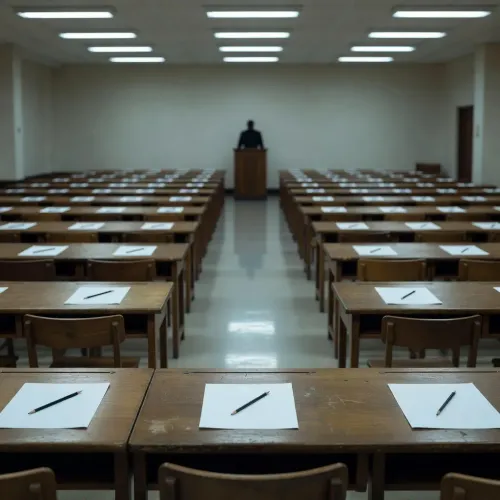
The NEET paper leak controversy has triggered nationwide student protests and drawn intense scrutiny of examination regulatory bodies. This comes amid a broader pattern of competitive examination irregularities across states — from state public service commissions to central recruitment boards — raising systemic questions about India's examination infrastructure. With Parliament in session, the coming days will test whether the political consensus Nadda is calling for materialises or whether the debate devolves into partisan point-scoring.
Point of View
Then redirect fire at the Opposition. But the offer of an 18-hour Parliament debate, while bold, sidesteps the more urgent question — why central examination bodies failed to secure papers in the first place. The '150 leaks under UPA too' argument, while factually relevant, risks normalising systemic failure rather than demanding accountability. If the government is serious about a 'concrete policy,' the debate in Parliament will need to produce legislative or regulatory outcomes, not just political theatre.
NationPress
21 Oct 2026
Frequently Asked Questions
What did JP Nadda say about Rahul Gandhi and the NEET paper leak issue?
Nadda accused Rahul Gandhi of trying to derive political mileage from student concerns over paper leaks rather than focusing on securing justice for students. He made the remarks at a press conference in New Delhi on 22 July, urging all parties not to politicise the issue.
Is the government ready to discuss paper leaks in Parliament?
Yes. Nadda offered to debate the issue for whatever duration the Opposition decided — citing 12 to 18 hours as examples — and described Parliament as the most appropriate forum for a serious, policy-oriented discussion on examination integrity.
What is Rahul Gandhi's claim about paper leaks?
Rahul Gandhi reportedly claimed that approximately 150 examination paper leaks had occurred over the past decade. Nadda said this claim was under investigation and the government would present the facts to the nation.
Did paper leaks happen only in BJP-ruled states?
Nadda rejected that framing, pointing to paper leak incidents in Jharkhand and Telangana — states not governed by the BJP — as well as under Congress-led UPA governments. He also cited states ruled by the DMK and Trinamool Congress as examples.
What is the NEET paper leak controversy?
The NEET paper leak controversy refers to alleged irregularities and leaks in the National Eligibility cum Entrance Test (NEET), India's primary medical entrance examination, which triggered nationwide student protests in 2024. The issue has prompted calls for a complete overhaul of examination regulatory bodies.