Manipur Naga killings: UNC calls 24-hr shutdown, leaders condemn murders
Synopsis
Six Naga men abducted in Manipur on 13 May were found dead — their bodies mutilated — just hours after a prisoner release raised hopes of a breakthrough. The UNC has refused to receive the remains until the government meets four demands, including scrapping the SoO pact with Kuki militants. This is one of the starkest escalations in Manipur's two-year ethnic conflict.
Key Takeaways
Six Naga civilians abducted on 13 May in Manipur were found dead, with bodies reportedly in mutilated and dismembered condition.
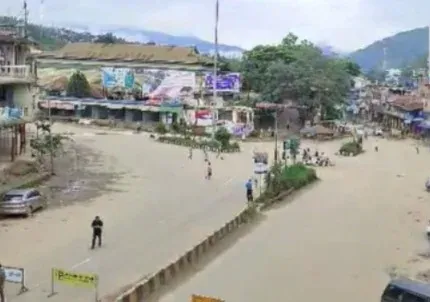
The United Naga Council (UNC) has called a 24-hour shutdown from 6 am on 11 June to 6 am on 12 June 2025 .
UNC is refusing to receive the mortal remains until its four-point charter of demands — including abrogation of the Suspension of Operations (SoO) agreement with Kuki militants — is addressed.
The National Investigation Agency (NIA) has taken over the investigation into the abductions and killings.
Manipur CM Yumnam Khemchand Singh , Deputy CM Nemcha Kipgen , and Meghalaya CM Conrad K.
Sangma all condemned the killings.
A separate killing of a farmer in Tamenglong district on Tuesday was also condemned by the Manipur Chief Minister.
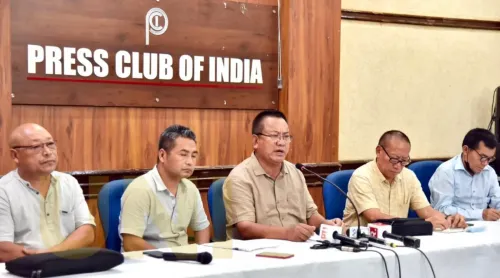
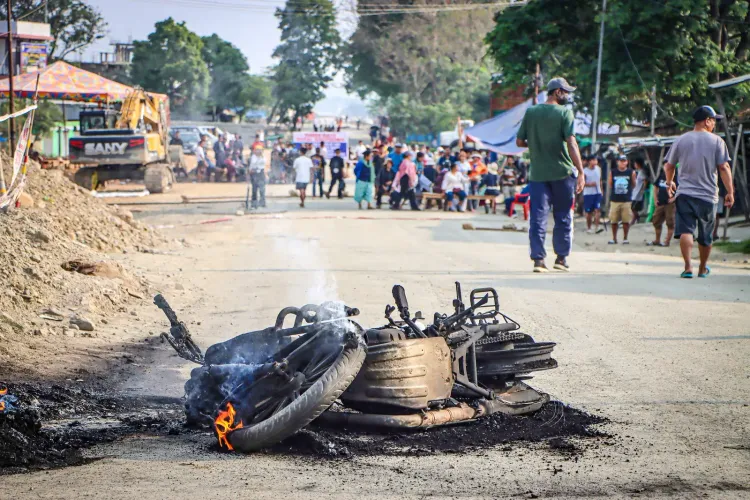
Six members of the Naga community who were abducted by armed groups on 13 May in Manipur were found dead — their bodies reportedly in a mutilated and dismembered state — triggering widespread condemnation from political leaders and tribal bodies on Wednesday, 10 June. The United Naga Council (UNC), the apex body of the Naga community in Manipur, has called a 24-hour shutdown from 6 am on 11 June to 6 am on 12 June in protest.
What Happened
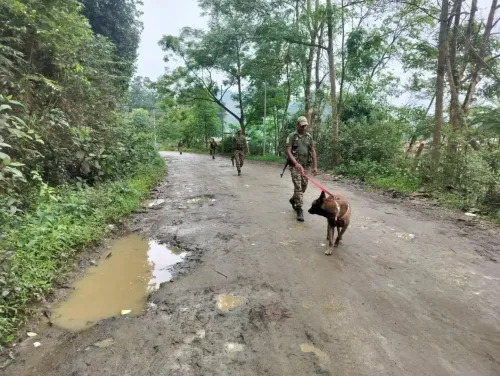
According to the UNC, the six Nagas were among 18 civilians — including two pastors — abducted on 13 May from Leilon Vaiphei village by Leilon Vaiphei villagers and KNF (P) militants. The discovery of their remains came shortly after 14 Kuki detainees were released on Tuesday evening, an event that had briefly raised hopes of a humanitarian breakthrough.
UNC Information and Publicity Secretary H. James Hau said the victims were recovered 'not only as lifeless human remains but also in highly mutilated and dismembered conditions.' He described the killings as 'a gross violation of human rights and disrespect for the dignity of human persons,' adding that the tragedy had 'shaken the faith of citizens in the government's ability to ensure the safety and security of innocent civilians.'
Political Condemnation
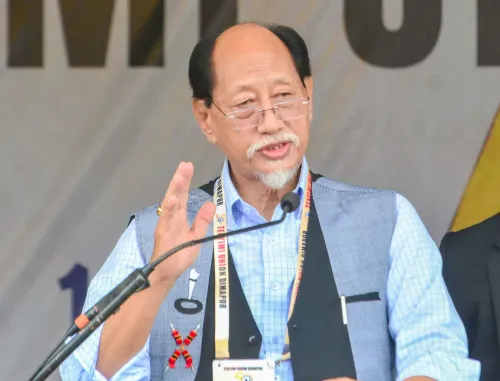
Meghalaya Chief Minister Conrad K. Sangma, who also serves as National President of the National People's Party (NPP), called the killings 'particularly heartbreaking' because they occurred despite sincere reconciliation efforts by the UNC. 'A gesture intended to build trust and foster understanding has instead been met with violence, resulting in the loss of innocent lives and immense suffering for their families and communities. There can be no justification for the taking of innocent lives,' Sangma said, urging all parties to exercise restraint and pursue dialogue.
Manipur Deputy Chief Minister Nemcha Kipgen condemned the act as 'heinous' and said it had 'left an indelible mark on the conscience of society.' She appealed to citizens to work toward restoring peace and harmony, stating: 'Such brutality has no place in our state and goes against the principles of humanity, mutual respect and the values we collectively cherish.'
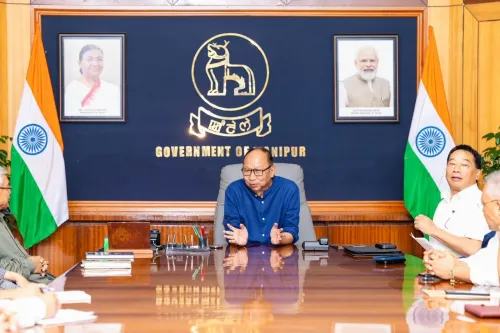
Manipur Chief Minister Yumnam Khemchand Singh also strongly condemned the killings, asserting that the government 'will not tolerate such brutal violence and will not remain a mute spectator to these atrocities.' He confirmed that those responsible would be 'arrested and punished as per the law of the land.' Singh also condemned the separate killing of a farmer from Lansan Kuki village in Tamenglong district by suspected armed attackers on Tuesday, extending condolences to the bereaved family.
UNC's Four-Point Charter of Demands
The UNC announced that the mortal remains of the six hostages would not be received until its four-point charter of demands is addressed by both the Manipur government and the Centre. Key among its demands are the abrogation of the Suspension of Operations (SoO) agreement with all Kuki militant groups, and the immediate arrest and prosecution of all Kuki National Front (KNF) cadres allegedly involved in the abduction and killings. The UNC urged citizens to observe the shutdown peacefully and stand in solidarity with the Naga community 'until justice is delivered.'
Investigation and State Response
The Manipur state government has already handed over the investigation into the abduction and killings to the National Investigation Agency (NIA). The NIA referral signals the Centre's recognition of the gravity of the case, though the UNC's demand for the abrogation of the SoO agreement represents a far more politically sensitive ask — one that could reshape the security architecture governing armed groups across the state.
Broader Context
The killings come against the backdrop of an ongoing ethnic conflict in Manipur that has persisted since May 2023, pitting Meitei, Kuki-Zo, and Naga communities against each other in cycles of violence, displacement, and retribution. The discovery of the mutilated remains marks a grim escalation and threatens to further fracture the fragile inter-community trust that reconciliation efforts had sought to build. All eyes are now on whether the NIA investigation yields swift arrests and whether the Centre responds to the UNC's demands.
Point of View
And the demand to abrogate the SoO agreement puts the Centre in a difficult position: act and risk alienating Kuki groups, or stall and deepen Naga grievances. The NIA handover is a procedural move, but it cannot substitute for political resolution. Two years into Manipur's ethnic crisis, the absence of a credible peace framework is the real story that leaders on both sides of the condemnation chorus have yet to address.
NationPress
25 Oct 2026
Frequently Asked Questions
Who were the six Naga civilians killed in Manipur?
They were among 18 Naga civilians, including two pastors, abducted on 13 May from Leilon Vaiphei village in Manipur, allegedly by Leilon Vaiphei villagers and KNF (P) militants. Their bodies were recovered in a mutilated and dismembered condition, according to the UNC.
Why has the UNC called a 24-hour shutdown in Manipur?
The United Naga Council called the shutdown from 6 am on 11 June to 6 am on 12 June 2025 to protest the killing of six Naga hostages whose mutilated remains were recovered. The UNC is also demanding justice and the fulfilment of a four-point charter before the bodies are received.
What are the UNC's key demands from the Manipur government and the Centre?
The UNC's demands include the abrogation of the Suspension of Operations (SoO) agreement with all Kuki militant groups, and the immediate arrest and prosecution of all Kuki National Front cadres allegedly involved in the abduction of 18 Naga civilians on 13 May. The UNC has said it will not receive the mortal remains until these demands are addressed.
Which agency is investigating the Manipur Naga killings?
The Manipur state government has handed over the investigation to the National Investigation Agency (NIA). Manipur Chief Minister Yumnam Khemchand Singh confirmed that those responsible will be arrested and punished under the law.
How does this fit into the broader Manipur ethnic conflict?
Manipur has been gripped by ethnic violence involving Meitei, Kuki-Zo, and Naga communities since May 2023. The discovery of the mutilated Naga remains marks a sharp escalation and came just as a prisoner release had briefly raised hopes of a humanitarian breakthrough, deepening the crisis.