Nagaland Governor flags illicit liquor, drug menace; calls for stronger enforcement
Synopsis
Nagaland's Excise and Prohibition Department is stretched thin — one enforcement officer for every 6,000 residents, porous borders with Myanmar, and outdated firearms. Governor Nand Kishore Yadav's review in Kohima lays bare the structural gaps standing between the state and its drug-free ambitions, even as excise revenue nearly doubled over five years.
Key Takeaways
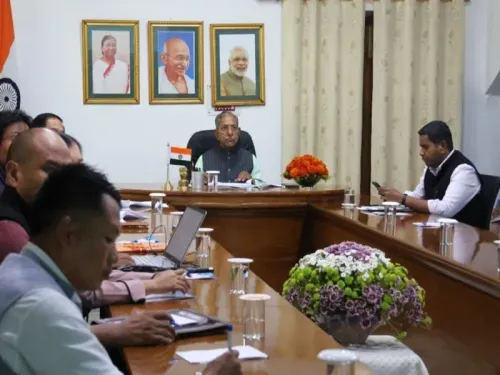
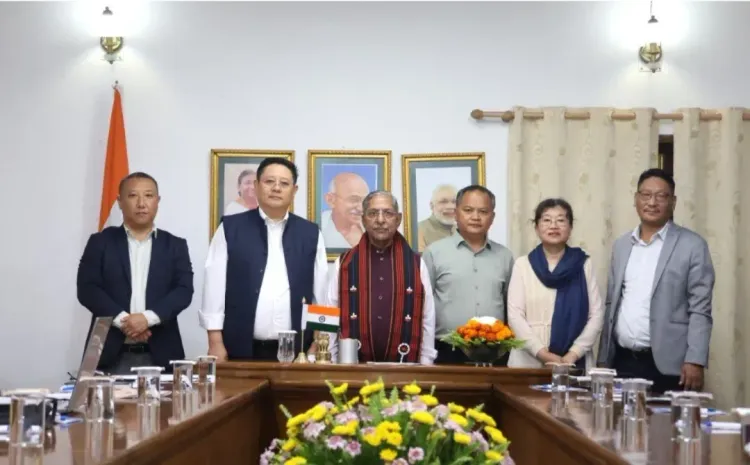
Nagaland Governor Nand Kishore Yadav chaired a review of the Department of Excise and Prohibition at Lok Bhavan, Kohima on 11 August .
Total excise revenue rose from ₹317.36 lakh in 2021-22 to ₹591.96 lakh in 2025-26, totalling ₹22.51 crore over five years.
The department's personnel-to-population ratio is 1:6,000 , compared to 1:2,000 in neighbouring Mizoram .
Key challenges include porous borders with Myanmar , manpower shortage, outdated firearms, and discontinued inter-district check-gates.
Seizures between April 2021 and March 2026 covered IMFL, country liquor, poppy straw, opium, heroin, and pharmaceutical drugs.
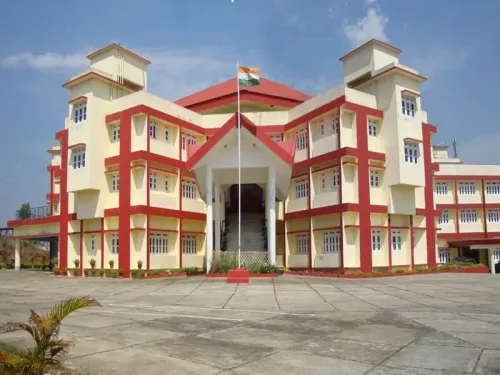
New Excise Offices are being built at Phek and Peren ; a Bonded Warehouse is under construction at Dimapur .
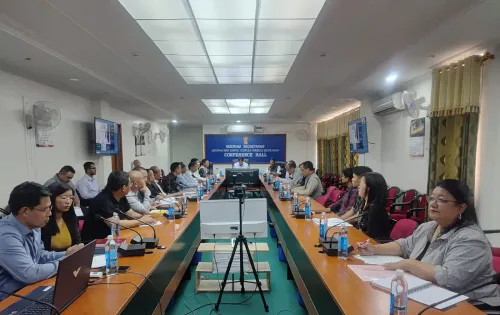
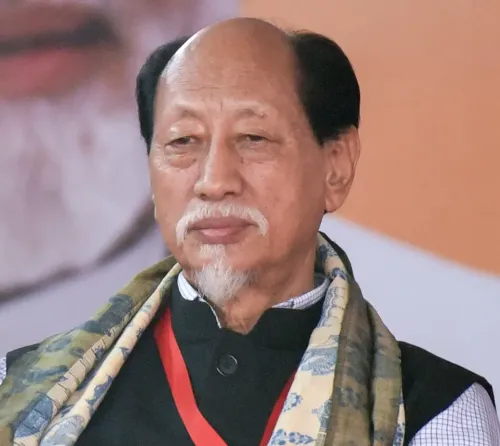
Nagaland Governor Nand Kishore Yadav on Tuesday, 11 August called for a significant strengthening of enforcement mechanisms and institutional capacity to combat the twin challenges of illicit liquor trade and drug trafficking in the state. The Governor made the remarks during a high-level review meeting with the Department of Excise and Prohibition at Lok Bhavan, Kohima.
Key Developments at the Review Meeting
The review covered the department's mandate under several legislative frameworks, including the Nagaland Excise Act, 1967, the Nagaland Liquor Total Prohibition (NLTP) Act, 1989, the Narcotic Drugs and Psychotropic Substances (NDPS) Act, 1985, and the Drugs and Cosmetics Act, 1940. Officials briefed the Governor on enforcement activities, revenue collection, and operational challenges facing the department.
Between April 2021 and March 2026, the department registered multiple cases under the NLTP Act and drug-related statutes. Seizures during this period included India Made Foreign Liquor (IMFL), country liquor, poppy straw, opium, heroin, cough syrup, and other drugs in capsule and tablet form.
Revenue Growth and Infrastructure Push
On the financial front, the department reported a total excise revenue collection of ₹22.51 crore between April 2021 and March 2026. Annual revenue rose from ₹317.36 lakh in 2021-22 to ₹591.96 lakh in 2025-26, reflecting a near-doubling of collections over five years.
Infrastructure development under the Excise Housing Programme for 2025-26 was also reviewed, including the construction of Excise Offices at Phek and Peren and an Excise Bonded Warehouse at Dimapur. The department also highlighted ongoing drug awareness campaigns and the destruction of seized contraband.
Challenges: Porous Borders and Manpower Gaps
Department officials flagged several structural challenges hampering enforcement. These include porous borders with Myanmar, a severe shortage of manpower, the absence of a cadre review since the department's inception, discontinuation of inter-district check-gates, outdated firearms, and limited operational mobility.
A particularly stark statistic emerged: the department's personnel-to-population ratio stands at 1:6,000, compared to 1:2,000 in neighbouring Mizoram — a threefold gap that officials said critically undermines the department's ability to counter organised trafficking networks. Persistent demand-driven illicit liquor consumption was also cited as a compounding factor.
The Road Ahead
The department's stated roadmap focuses on strengthening enforcement, combating organised crime, protecting public health, enhancing governance, increasing revenue, and building personnel capacity — all anchored to the long-term goal of a drug-free Nagaland. Governor Yadav underscored that empowering the relevant agencies was essential to safeguarding public health and improving governance across the state.
The review assumes added urgency given Nagaland's shared international border with Myanmar, a region that forms part of the wider Golden Triangle drug corridor, making coordinated and robust enforcement a matter of both state and national security.
Point of View
000 is not a staffing inconvenience — it is a structural invitation to traffickers. Nagaland's proximity to the Golden Triangle makes this a national security concern, not merely a state excise matter, yet the Centre's involvement in capacity building appears absent from the review. The near-doubling of excise revenue is a positive signal, but revenue growth in a prohibition state can also reflect normalisation of illicit trade rather than effective enforcement. Without a cadre review, modern equipment, and restored check-gates, the department's 'drug-free Nagaland' roadmap risks remaining aspirational.
NationPress
26 Sept 2026
Frequently Asked Questions
Why did Nagaland Governor Nand Kishore Yadav hold a review meeting with the Excise Department?
Governor Nand Kishore Yadav convened the review at Lok Bhavan, Kohima on 11 August to assess the department's enforcement activities, revenue collection, and operational challenges related to illicit liquor and drug trafficking. The meeting aimed to identify gaps and chart a stronger enforcement roadmap for the state.
What are the biggest challenges facing Nagaland's Excise and Prohibition Department?
The department cited porous borders with Myanmar, a critical manpower shortage with a 1:6,000 personnel-to-population ratio, absence of a cadre review since inception, discontinued inter-district check-gates, outdated firearms, and limited operational mobility as its primary challenges.
How much excise revenue did Nagaland collect between 2021 and 2026?
The department collected a total of ₹22.51 crore in excise revenue between April 2021 and March 2026. Annual collections grew from ₹317.36 lakh in 2021-22 to ₹591.96 lakh in 2025-26, nearly doubling over the five-year period.
What drugs and contraband were seized in Nagaland between 2021 and 2026?
Seizures during the period included India Made Foreign Liquor, country liquor, poppy straw, opium, heroin, cough syrup, and other drugs in capsule and tablet form, registered under both the NLTP Act and the NDPS Act.
Why is Nagaland particularly vulnerable to drug trafficking?
Nagaland shares an international border with Myanmar, which forms part of the Golden Triangle — one of the world's largest illicit drug-producing regions. This geographic exposure, combined with understaffed enforcement agencies, makes the state a transit and consumption point for narcotics.