Chandrababu Naidu urges governance revolution at Mission Karmayogi workshop
Synopsis
Andhra Pradesh Chief Minister Chandrababu Naidu used the Mission Karmayogi platform to call for a governance revolution built on AI and continuous skilling — and backed it up with a national first: AP completed two crore training courses on the iGOT portal, outranking every other state in capacity building.
Key Takeaways
Andhra Pradesh CM N.
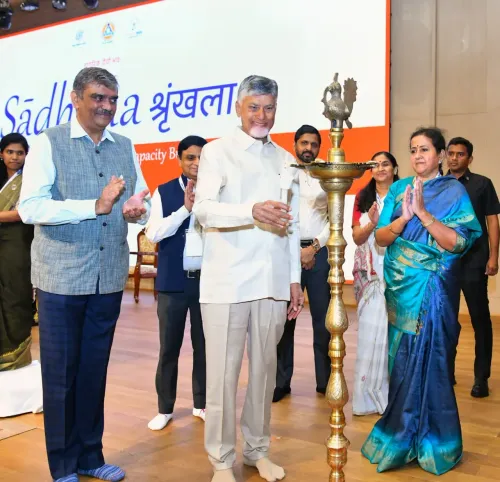
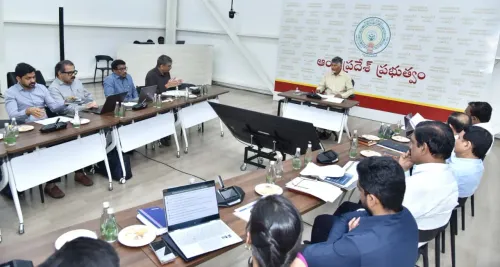
Chandrababu Naidu addressed the Mission Karmayogi workshop organised by the Capacity Building Commission in Vijayawada on 29 September 2026 .
Naidu called for revolutionary changes in governance systems, stressing integration of Artificial Intelligence , technology, and policy.
Andhra Pradesh secured first place nationally in capacity building, having completed two crore courses through the iGOT Karmayogi portal .
Awards were also presented to Karnataka (second place) and Odisha (third place) for their capacity-building performance.
Capacity Building Commission Chairperson Radha Chauhan emphasised 'Nagarik Devo Bhava' as the core guiding principle for public servants in the AI era.
Naidu called the next 20 years decisive for India's development and urged continuous skill upgrades at all levels of government.
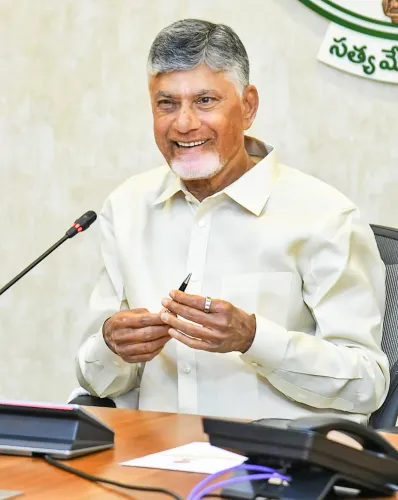
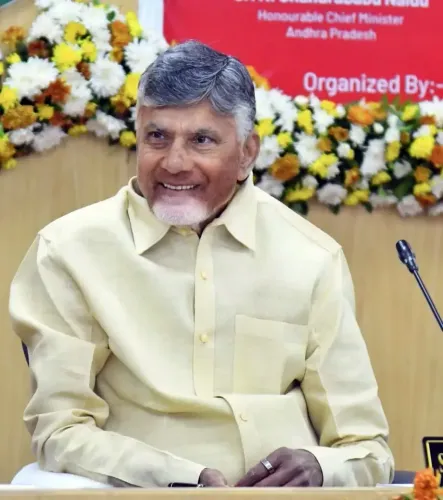
Andhra Pradesh Chief Minister N. Chandrababu Naidu on Tuesday, 29 September 2026, called for sweeping, revolutionary changes in governance systems and institutions, urging the country to harness emerging technologies — particularly Artificial Intelligence — to meet the rising aspirations of citizens. Speaking at the Mission Karmayogi workshop organised by the Capacity Building Commission in Vijayawada, Naidu stressed that the integration of technology, leadership, and policy would be central to winning public trust.
Key Developments at the Workshop
Naidu declared that the next 20 years would be decisive for India's development trajectory, and urged government employees at every level — from state offices to the grassroots — to invest in continuous skill development through structured capacity-building programmes. He emphasised that upgrading skills, universities, and innovation ecosystems were non-negotiable prerequisites for effective governance.
The Chief Minister cited Prime Minister Narendra Modi's journey from a tea vendor at a railway station to the country's highest office as a compelling example of what sustained capacity building can achieve. He credited Modi for launching the iGOT–Mission Karmayogi initiative through the Capacity Building Commission, describing the online training platform as a critical tool for enabling officials to regularly upgrade their capabilities.
Andhra Pradesh Tops National Rankings
A significant highlight of the event was the recognition that Andhra Pradesh had secured first place nationally in capacity building among government employees under the Mission Karmayogi initiative. The state completed two crore courses through the iGOT Karmayogi portal, a milestone Naidu attributed to the dedicated participation of the state's government machinery.
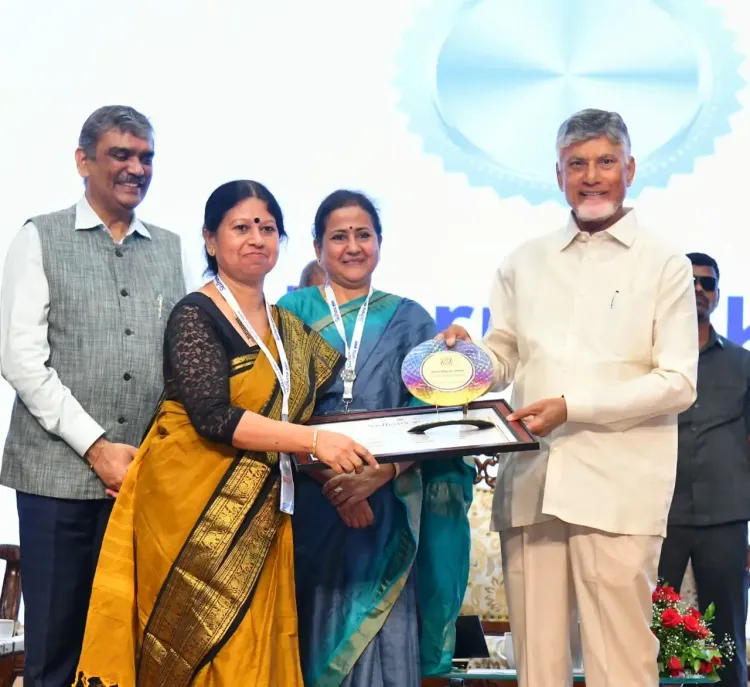
Chief Minister Naidu personally presented the national award to Finance Department Principal Secretary Piyush Kumar and AP State Development Planning Society Executive Director Alaparthi Venkateswara Rao. Awards were also presented to Karnataka, which secured second place, and Odisha, which stood third.
What the Commission Chairperson Said
Radha Chauhan, Chairperson of the Capacity Building Commission, underlined that in the age of advanced technologies like AI, enhancing the capabilities of government officials had become more urgent than ever. She noted that the principle of 'Nagarik Devo Bhava' — treating the citizen as divine — had emerged as a core guiding value for both Central and state governments, and that public servants must align their conduct, administrative skills, and performance with this principle.
Chauhan highlighted that public sector training organisations were already running initiatives such as 'Unnati' through the Capacity Building Commission, and that regional workshops like the one in Vijayawada served as vital platforms for exchanging best practices across states.
Why Governance Transformation Matters Now
Naidu stressed the need for tighter integration of technology, administrative procedures, and inter-departmental coordination to improve public service quality. Continuous information-sharing between departments, he argued, would enable faster decision-making and allow governments to anticipate and defuse problems before they escalate into crises. Notably, this push comes as India accelerates its AI adoption agenda at both the Centre and state level, placing a premium on a digitally literate civil service.
The Chief Minister also acknowledged the often-overlooked contributions of government employees in responding to natural disasters, managing large-scale public events, and implementing major welfare programmes — frequently at significant personal cost. As India's governance reform drive deepens, the performance of states like Andhra Pradesh in capacity building is expected to shape national benchmarks going forward.
Point of View
But the real signal is the metric behind it: two crore completed courses on a government training portal is a verifiable output, not just an aspiration. The national first-place ranking gives Andhra Pradesh a governance credibility lever that few states currently hold. Yet the harder question — whether skilling government employees translates into measurably better public service delivery — remains unanswered. As AI reshapes what governance can and should do, capacity building will need to go beyond course completion rates and into outcome audits if it is to fulfil the 'Nagarik Devo Bhava' promise Radha Chauhan invoked.
NationPress
29 Sept 2026
Frequently Asked Questions
What did Chandrababu Naidu say at the Mission Karmayogi workshop?
Andhra Pradesh Chief Minister N. Chandrababu Naidu called for revolutionary changes in governance systems and institutions at the Mission Karmayogi workshop in Vijayawada on 29 September 2026. He stressed the integration of Artificial Intelligence, technology, and policy for effective governance and urged government employees to continuously upgrade their skills.
What is the iGOT–Mission Karmayogi initiative?
The iGOT–Mission Karmayogi initiative is an online training platform launched by Prime Minister Narendra Modi through the Capacity Building Commission to enable continuous skill development among government employees across India. It allows officials at all levels to regularly upgrade their capabilities through structured courses.
Why did Andhra Pradesh win the top national ranking in capacity building?
Andhra Pradesh secured first place nationally in capacity building under the Mission Karmayogi initiative after completing two crore courses through the iGOT Karmayogi portal. The award was presented to Finance Department Principal Secretary Piyush Kumar and AP State Development Planning Society Executive Director Alaparthi Venkateswara Rao.
Which states stood second and third in the Mission Karmayogi rankings?
Karnataka secured second place and Odisha stood third in the national capacity-building rankings under the Mission Karmayogi initiative. Chief Minister Naidu presented awards to representatives of both states at the Vijayawada workshop.
What is 'Nagarik Devo Bhava' and why was it highlighted at the event?
'Nagarik Devo Bhava' — meaning 'treat the citizen as divine' — is a guiding principle adopted by both Central and state governments for public service delivery. Capacity Building Commission Chairperson Radha Chauhan highlighted it at the workshop as the ethical framework within which government employees must align their conduct, skills, and performance, especially in the era of Artificial Intelligence.