Venkaiah Naidu: Demanding CEC's resignation via rallies not fair
Synopsis
Former Vice President Venkaiah Naidu has come out swinging in defence of the Election Commission of India, calling public demands for CEC Gyanesh Kumar's resignation through street protests 'not fair' — and pointing out that parties tend to trust the ECI when they win and attack it when they lose. His intervention adds a senior constitutional voice to a sharpening standoff over electoral roll integrity.
Key Takeaways
Former Vice President M.
Venkaiah Naidu on 10 October 2026 criticised attempts to malign the Election Commission of India (ECI) .
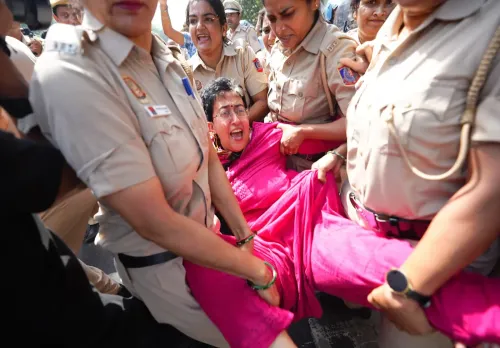
His remarks came amid a protest at Jantar Mantar, New Delhi demanding the resignation of CEC Gyanesh Kumar .
Naidu said demanding a CEC's resignation through public rallies is 'not fair' when constitutional mechanisms for accountability already exist.
He cited Bihar elections, noting not a single voter formally complained of name deletion from electoral rolls.
Naidu acknowledged citizens' right to protest but called for peaceful demonstrations and warned against violence or damage to public property.
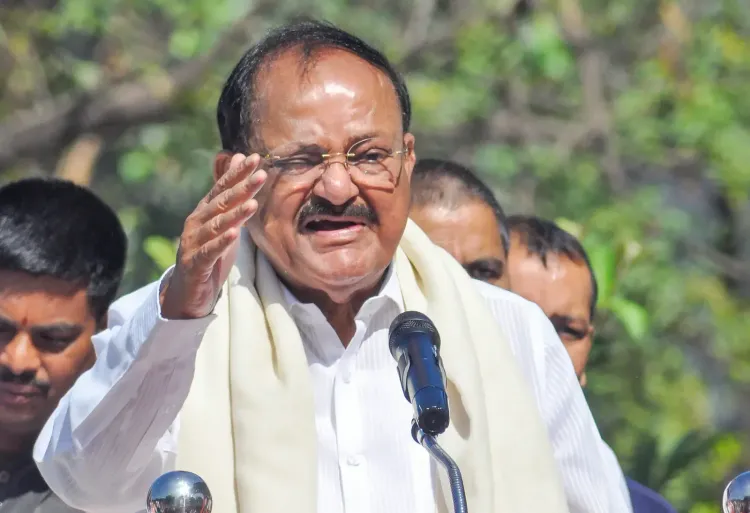
Former Vice President M. Venkaiah Naidu on Saturday, 10 October 2026, sharply criticised certain political parties for what he described as attempts to malign the Election Commission of India (ECI), asserting that such conduct was neither in the nation's interest nor healthy for democracy. His remarks came as a protest was reportedly being organised at Jantar Mantar in New Delhi against Chief Election Commissioner (CEC) Gyanesh Kumar, amid allegations of voter deletions during the Special Intensive Revision (SIR) of electoral rolls and alleged 'vote theft'.
Naidu's Core Argument
'I feel that the way some people are trying to malign the Election Commission is not good and is not in the interest of the country or democracy. The Election Commission is a statutory body. There are ways and means to even impeach the Election Commissioner, but accusing him, abusing him, dragging his name into controversies, and then demanding his resignation through public rallies is not fair,' Naidu said.
The former Vice President drew a clear distinction between legitimate criticism and institutional targeting, stressing that the ECI is a constitutional body that must be engaged with through proper channels rather than public vilification campaigns.
Defending the Electoral System
Expressing confidence in India's poll machinery, Naidu said that the country's electoral exercise — the largest in the world — had earned global respect over decades. 'If there is something wrong, that can be discussed. But maligning an institution, that is, a constitutional body, is not fair. If they win an election, the Election Commission is good. If they lose an election, EVMs are bad, defective and pro-government. This sort of allegations are not fair,' he said.
He further noted that such allegations were not the preserve of any single party, pointing out that different parties had levelled similar charges at different electoral junctures depending on their outcomes — a pattern, he argued, that undermines the credibility of the complaints themselves.
Bihar Electoral Rolls: Naidu's Rebuttal
Responding specifically to concerns about voter deletions, Naidu cited the experience of recent elections in Bihar, saying not a single voter had formally complained that their name had been removed from the rolls. 'Not even one voter has complained that his name has been deleted. Not even one,' he said, urging political parties to fulfil their own responsibility — deploying workers door to door to verify voter lists, report discrepancies, and seek corrections before polling day rather than after electoral defeats.
On Peaceful Protest and Institutional Responsibility
While affirming citizens' right to protest, Naidu was equally clear that demonstrations must remain peaceful and must not damage public property. He called on governments to permit peaceful agitations without obstruction, while simultaneously calling on protesters to observe restraint. 'In a country like India, we must uphold democratic institutions. We must uphold the Constitution, and we must criticise in a fair manner,' he said.
Drawing on a political career that, by his own account, began when he was 16 years old, Naidu reiterated his conviction that India's electoral system is among the best in the world and that singling out an individual commissioner — or the institution itself — for systemic failures is both unfair and counterproductive. How the ECI responds to the specific voter-deletion allegations raised by protesters will be closely watched in the days ahead.
Point of View
Lending constitutional weight to the defence of the ECI. Yet his dismissal of the voter-deletion allegations rests almost entirely on the absence of formal complaints in Bihar, which critics would argue reflects a gap in grievance-reporting infrastructure rather than proof that no deletions occurred. The deeper tension here is unresolved: how does a democracy hold its electoral machinery accountable without delegitimising it? Naidu is right that party-selective trust in the ECI is hypocritical, but that does not automatically make the underlying allegations of SIR-related deletions unfounded — and those deserve a substantive official response, not just procedural deflection.
NationPress
10 Oct 2026
Frequently Asked Questions
What did Venkaiah Naidu say about demands for CEC Gyanesh Kumar's resignation?
Naidu said that demanding the Chief Election Commissioner's resignation through public rallies is 'not fair', arguing that constitutional mechanisms such as impeachment already exist for accountability. He maintained that dragging a constitutional officer into controversies via street protests undermines democratic institutions.
What was the protest at Jantar Mantar about?
The protest at Jantar Mantar in New Delhi on 10 October 2026 was reportedly directed against CEC Gyanesh Kumar and raised allegations of voter deletions during the Special Intensive Revision of electoral rolls and alleged 'vote theft'. It was organised to demand accountability from the Election Commission of India.
How did Naidu respond to voter-deletion allegations?
Naidu cited the Bihar elections as evidence against the allegations, saying not a single voter had formally complained about their name being deleted. He urged political parties to take responsibility for verifying voter lists through door-to-door checks rather than raising concerns only after electoral losses.
Did Naidu oppose protests altogether?
No. Naidu explicitly affirmed citizens' right to protest but insisted demonstrations must be peaceful and must not involve violence or damage to public property. He also called on governments to permit lawful protests without interference.
Why does Naidu's statement carry significance?
As a former Vice President and a figure seen as outside active partisan battles, Naidu's defence of the Election Commission carries constitutional weight beyond routine party statements. His criticism of parties that trust the ECI when they win and attack it when they lose adds a non-partisan dimension to an increasingly polarised debate over electoral integrity.