CM Chandrababu Naidu Resolves 50-Year Land Dispute in Prakasam
Synopsis
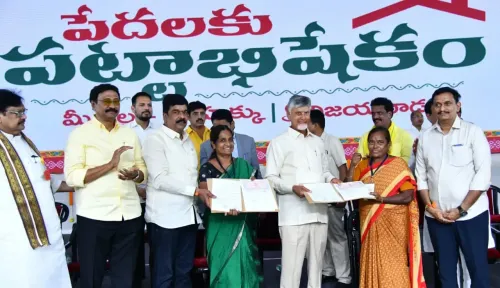
Chief Minister Chandrababu Naidu visited Kondepi in Prakasam district on October 10, 2026, and resolved a 50-year-old Garbhakandrika land dispute, distributing title deeds to 1,301 farmers across 2,915.10 acres in eight villages across four mandals.
Key Takeaways
1,301 farmers in Prakasam district received formal land title deeds (pattadar passbooks) at a single event.
The settlement covers 2,915.10 acres of Garbhakandrika lands disputed for over 50 years .
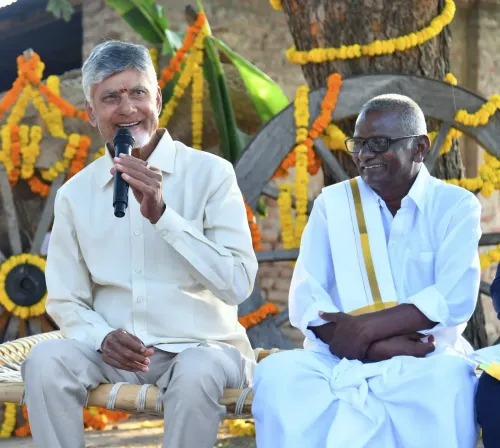
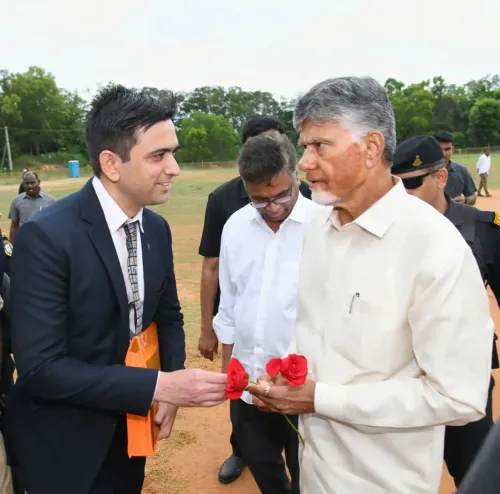
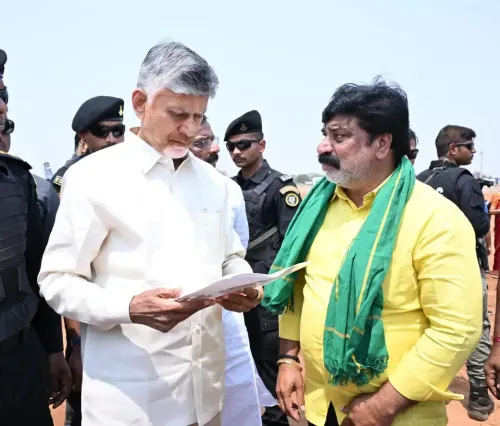
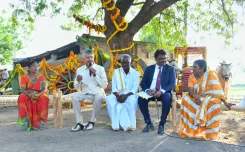
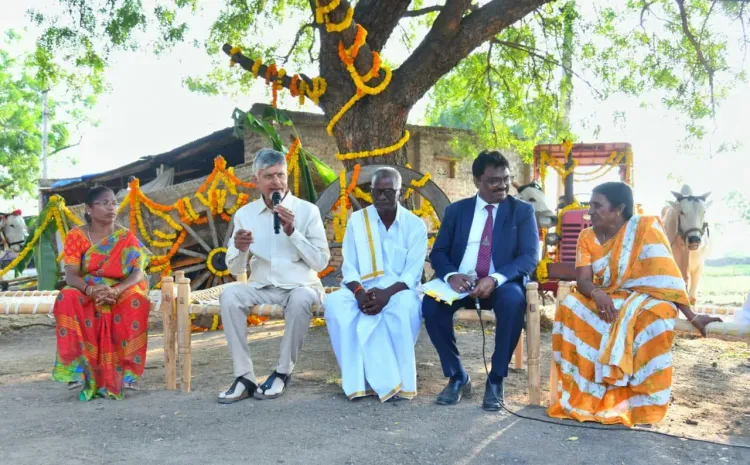
CM Chandrababu Naidu personally visited Kondepi and heard farmer grievances at Narsingoulu village.
The resolution spans 4 mandals and 8 villages : Ilavara, Vennuru, Pachava, Vardineni Palem, Narsingoulu, K.
Bitraguntha, Obannapalem, and Kalikivaya.
Largest beneficiary group: 569 farmers in Zarugumilli mandal receiving pattas for 1,260 acres .
Formal titles unlock institutional credit, inheritance rights, and government scheme access for previously unrecognised cultivators.
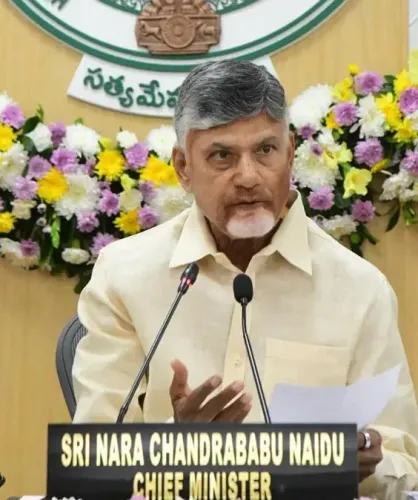
Fifty years of waiting ended in a field in Kondepи, Prakasam district, on October 10, 2026, when Chief Minister N. Chandrababu Naidu personally met farmers from eight villages and signed off on a permanent resolution to one of Andhra Pradesh's longest-running land ownership disputes. The Chief Minister's Office of Andhra Pradesh confirmed the breakthrough, announcing that 1,301 farmers across 2,915.10 acres of long-contested 'Garbhakandrika' lands will now receive formal title deeds.
A 50-Year Dispute, Settled Village by Village
The Garbhakandrika land problem — involving revenue classification disputes that left thousands of cultivating families without legal ownership — had festered across four mandals and eight villages in Prakasam for half a century. Chandrababu Naidu did not summon the farmers to Amaravati. He came to them, holding a direct meeting (bheti) in Kondepi and separately listening to grievances at Narsingoulu village.
The settlement was granular and village-specific, which is precisely what makes it credible. In Kondepi mandal, farmers in Ilavara and Vennuru villages — 281 cultivators — received rights over 1,003 acres. In Zarugumilli mandal, the villages of Pachava, Vardineni Palem, Narsingoulu and K. Bitraguntha saw 569 farmers receive pattas for 1,260 acres.
The tally continued: Naguluppalapad mandal's Obannapalem saw 430 farmers receive titles to 567 acres, while in Singarayakonda's Kalikivaya village, 21 farmers were granted pattas for 62 acres. Each number represents a family that can now borrow against land, sell it, inherit it — and stop fighting the government for proof of what they already knew was theirs.
Pattadar Passbooks and the Weight of Legal Title
In Andhra Pradesh, a Pattadar Passbook is more than a document — it is the foundational proof of land ownership that unlocks institutional credit, government scheme benefits, and inheritance rights. Farmers cultivating Garbhakandrika lands without pattas were locked out of all of these. They paid taxes on land whose title the state would not formally confirm, a Kafkaesque situation that crushed access to formal agriculture loans.
The Chief Minister's personal presence at the distribution — rather than a district-level administrative ceremony — signals a political choice: land rights to smallholder farmers are being positioned as a flagship deliverable of the current administration, not a bureaucratic formality. Farmers at the event expressed their gratitude directly to the CM, the CMO noted.
What Kondepi's Settlement Means for Prakasam's Farmers
Prakasam is a large, agrarian district in southern Andhra Pradesh where land records disputes have historically been a source of both rural distress and political mobilisation. Resolving nearly 3,000 acres of contested cultivable land in a single administrative action — with the CM presiding — raises the stakes for similar pending disputes across the state. If this template holds, it becomes a model for clearing backlogs elsewhere.
The scale also matters: 1,301 families gaining title deeds simultaneously is a measurable economic event. Formalisation of land ownership is consistently linked in development literature to higher agricultural investment, better credit access, and reduced litigation — all of which compound over time in rural economies.
The state has spent decades generating these disputes through ambiguous revenue classifications. One day in Kondepi just drew a line under at least this chapter of that history.
Point of View
Ground-level governance outcomes — not through legislation but through personal, visible intervention. By travelling to the farmers rather than calling them to the capital, the CM projects accessibility and urgency around an issue — smallholder land titling — that has historically been a source of rural electoral grievance in Andhra Pradesh. Formalising nearly 3,000 acres of contested land in one stroke also creates a template: if the district administration can replicate this model across other pending Garbhakandrika and similar revenue disputes, the cumulative economic and political dividend could be substantial. The hashtag '#FarmersFriendlyGovt' signals that the administration intends to brand this type of action as a defining identity, setting the terms of accountability it will be judged by.
NationPress
10 Oct 2026
Frequently Asked Questions
What is the Garbhakandrika land dispute in Prakasam district?
Garbhakandrika lands are revenue-classified parcels in Prakasam district, Andhra Pradesh, whose ownership status remained legally ambiguous for decades, leaving cultivating farmers without formal title deeds despite actively farming the land and paying taxes.
How many farmers benefited from CM Chandrababu Naidu's Kondepi visit?
A total of 1,301 farmers across eight villages in four mandals of Prakasam district received formal land title deeds (pattadar passbooks) covering 2,915.10 acres .
Which villages and mandals were covered in the Prakasam land settlement?
The four mandals are Kondepi (Ilavara, Vennuru), Zarugumilli (Pachava, Vardineni Palem, Narsingoulu, K. Bitraguntha), Naguluppalapad (Obannapalem), and Singarayakonda (Kalikivaya).
What is a Pattadar Passbook and why does it matter for AP farmers?
A Pattadar Passbook is the official land ownership document issued by the Andhra Pradesh government. It enables farmers to access institutional bank loans, government subsidies, and formally exercise inheritance and sale rights over their land.
Why did CM Chandrababu Naidu visit Kondepi personally?
CM Chandrababu Naidu visited Kondepi and Narsingoulu in Prakasam district on October 10, 2026, to directly hear farmer grievances and preside over the distribution of pattas — a move the CMO framed as resolving a 50-year pending land problem with a permanent solution.