CM Naidu Hails GSLV-F18 Launch, Salutes NavIC Mission
Synopsis
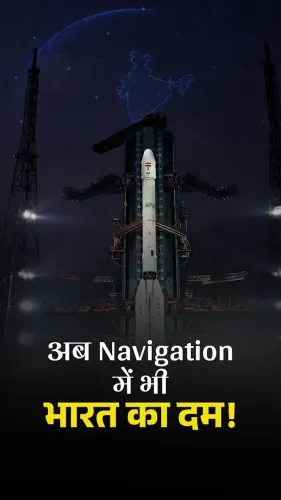
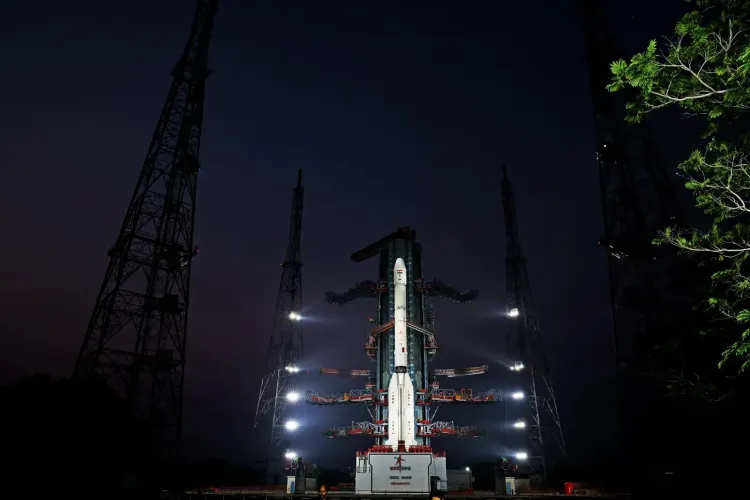
Andhra Pradesh Chief Minister N. Chandrababu Naidu congratulated ISRO on the successful GSLV-F18 launch of the NVS-03 satellite from Sriharikota, calling it a landmark step in strengthening India's indigenous NavIC navigation system and its journey toward space self-reliance.
Key Takeaways
ISRO successfully launched the GSLV-F18 rocket carrying the NVS-03 satellite from Sriharikota, Andhra Pradesh on 31 October 2026 .
NVS-03 is part of the next-generation NavIC series, aimed at modernising and augmenting India's regional navigation satellite constellation.
The NavIC programme was approved in 2006 ; its original seven-satellite constellation was completed by 2018 .
Chandrababu Naidu welcomed the launch as a 'major leap forward' in India's self-reliance in space technology.
NavIC is designed to serve both civilian and defence applications, reducing India's dependence on foreign navigation systems like GPS.
Further NVS-series launches are planned to continue expanding and modernising the constellation.
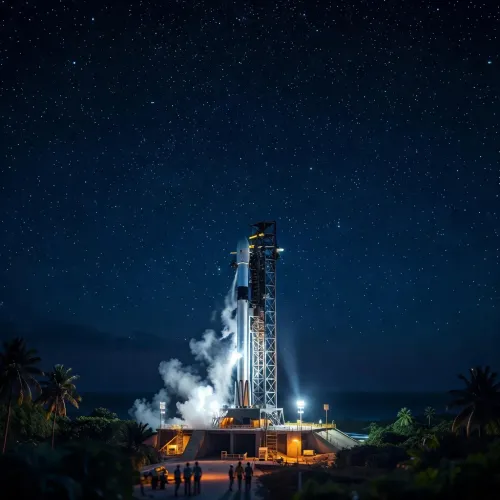
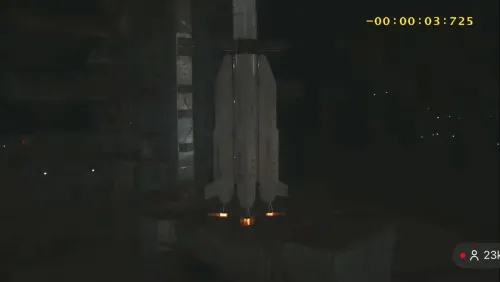
India's space programme added another chapter to its navigation story on Saturday, 31 October 2026, as ISRO successfully launched the GSLV-F18 rocket carrying the NVS-03 satellite from the Satish Dhawan Space Centre, Sriharikota — and Andhra Pradesh Chief Minister N. Chandrababu Naidu was quick to mark the moment.
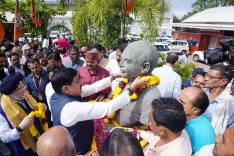
Naidu took to X to extend his 'heartiest congratulations' to ISRO, calling the mission 'a landmark' and 'another major leap forward' in strengthening India's homegrown NavIC navigation system. He credited the achievement to the nation's 'brilliant scientists and engineers' who, in his words, are 'continuously elevating India's stature in space exploration.'
What NVS-03 Adds to India's NavIC Constellation
NavIC — Navigation with Indian Constellation — is India's answer to GPS, a regional satellite navigation system built entirely on domestic technology. The programme traces its roots to a formal government approval in 2006, with the first satellite, IRNSS-1A, lifting off in July 2013. By 2018, seven satellites were in orbit, completing the original constellation.
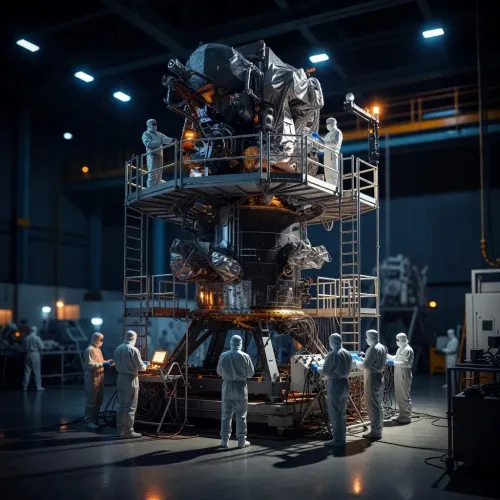
The newer NVS series represents the next generation — designed to augment, modernise, and future-proof the constellation with improved payloads and longer operational lifespans. The NVS-03 mission is part of this upgrade arc, pushing the system's reliability and coverage further toward the strategic and civilian applications India has long envisioned.
Sriharikota: Andhra Pradesh at the Heart of India's Space Story
The launch site itself carries significance for Naidu personally. Sriharikota is a coastal island within Andhra Pradesh, making every ISRO mission from the Satish Dhawan Space Centre a source of particular state pride. Naidu has consistently tied his governance vision to technology-led development, and a successful rocket launch from his own state's shores is as symbolic as it is strategic.
For India's broader space ambitions, the stakes extend well beyond symbolism. Successive governments have framed space self-reliance under the Atmanirbhar Bharat initiative — positioning indigenous navigation as both a civilian utility and a pillar of strategic autonomy, reducing dependence on foreign systems like GPS in defence, transport, and disaster management applications.
Scientists in the Spotlight
Naidu's post closed with a pointed note of gratitude to the engineers and scientists behind the mission — a gesture that mirrors a broader political consensus in India around celebrating the human capital that powers ISRO's run of successes. The space agency has delivered a string of high-profile missions in recent years, each reinforcing India's position as a serious, cost-effective spacefaring nation.
With further NVS-series launches still on the horizon, and policy work ongoing to drive wider adoption of NavIC signals across defence and civilian sectors, the constellation India began assembling over a decade ago is steadily becoming the navigation backbone the programme always promised.
Point of View
Amplified by the fact that Sriharikota, ISRO's primary launch pad, sits within Andhra Pradesh. By publicly celebrating space milestones, he reinforces the state's symbolic ownership of India's space ambitions. The NVS-03 launch also fits a larger national arc: successive governments have linked NavIC expansion directly to the Atmanirbhar Bharat framework, framing indigenous navigation capability as strategic autonomy made real. With defence and transport sectors still in early-stage NavIC adoption, this mission signals the programme moving from constellation-building to application-readiness.
NationPress
31 Oct 2026
Frequently Asked Questions
What is the GSLV-F18 NVS-03 mission?
GSLV-F18 is an Indian Space Research Organisation launch vehicle that carried the NVS-03 satellite — the latest addition to the next-generation NavIC regional navigation satellite series — into orbit from Sriharikota on 31 October 2026.
What is NavIC and how does it differ from GPS?
NavIC (Navigation with Indian Constellation) is India's indigenous regional satellite navigation system, designed to provide accurate positioning and timing services independently of foreign systems like the US-operated GPS. It covers India and a surrounding region extending roughly 1,500 km beyond its borders.
Why did Chandrababu Naidu congratulate ISRO on the GSLV-F18 launch?
As Chief Minister of Andhra Pradesh — the state where Sriharikota, ISRO's main launch centre, is located — Naidu welcomed the successful mission as a landmark step in India's space self-reliance, expressing pride in ISRO's scientists and engineers.
What is the difference between the original NavIC satellites and the NVS series?
The original IRNSS constellation comprised seven satellites launched between 2013 and 2018. The newer NVS (NavIC Replacement Vehicle Satellite) series carries improved navigation payloads and is designed to modernise and extend the operational life of the constellation.
Where does India launch its GSLV rockets from?
India's GSLV rockets are launched from the Satish Dhawan Space Centre on Sriharikota island, located on the coast of Andhra Pradesh in southern India.