CM Chandrababu Naidu Holds Public Grievance Meet in Kurnool
Synopsis
Chief Minister Chandrababu Naidu held a public grievance session at the Sanjeevani Bahiranga Sabha in Aspari, Kurnool district on 25 July 2026, receiving petitions from citizens and issuing immediate orders to officials — reviving his signature district-level outreach model.
Key Takeaways
Chief Minister Nara Chandrababu Naidu attended the Sanjeevani Bahiranga Sabha public meeting in Aspari, Kurnool district on 25 July 2026 .
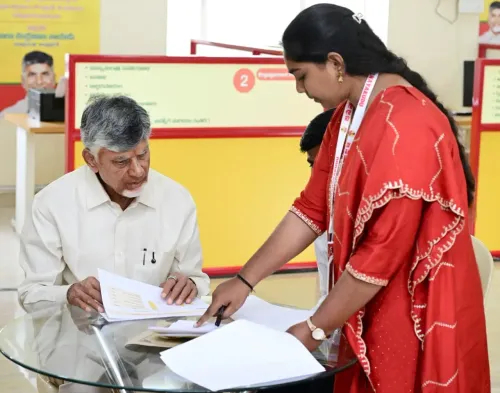
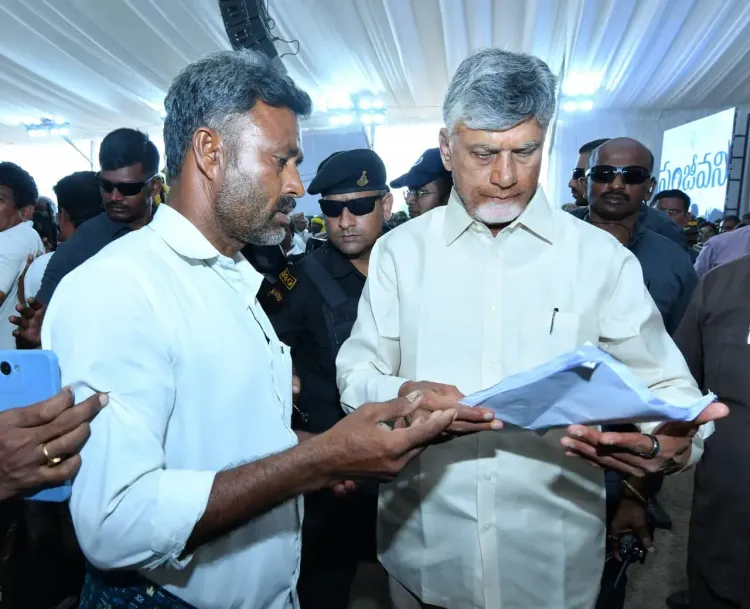
Naidu received petitions directly from citizens and listened to their grievances in person at the public forum.
On-the-spot directives were issued to officials for immediate resolution of the problems raised.
Kurnool , located in the Rayalaseema region, faces persistent agricultural and rural development challenges, making such outreach significant.
The exercise revives Naidu's established practice of direct public grievance redressal, used consistently during his tenures from 1995–2004 and 2014–2019 .
Follow-up on petition resolution rates and further district-level review meetings is expected.
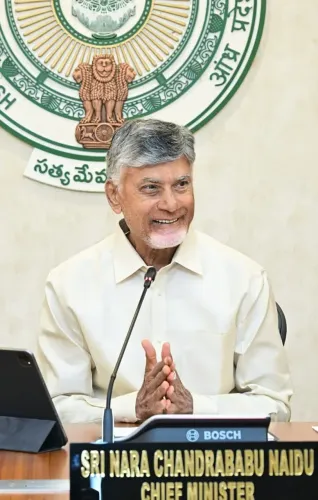
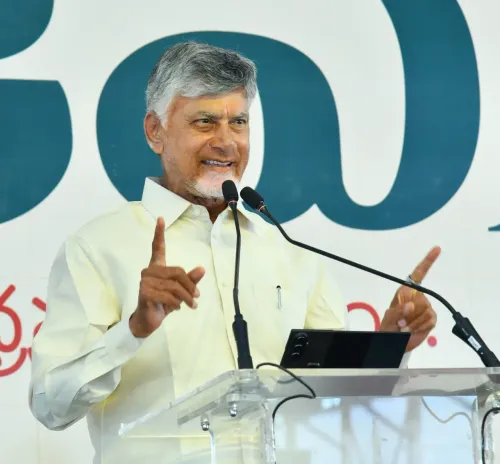
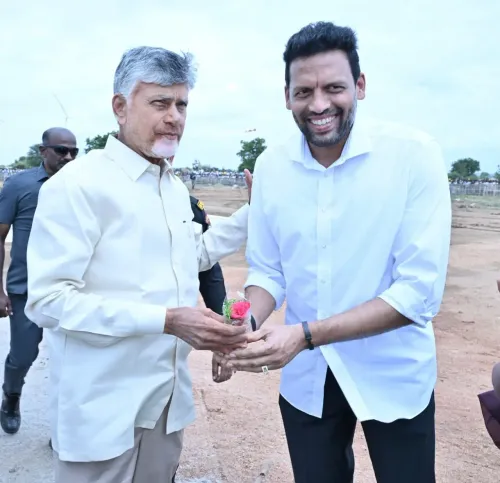
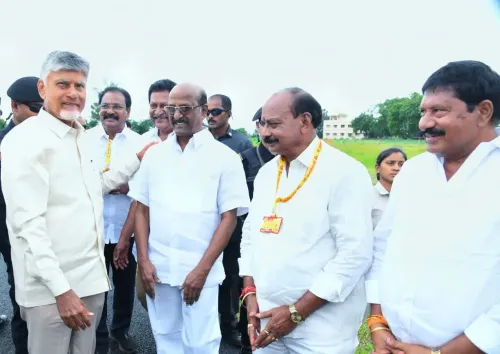
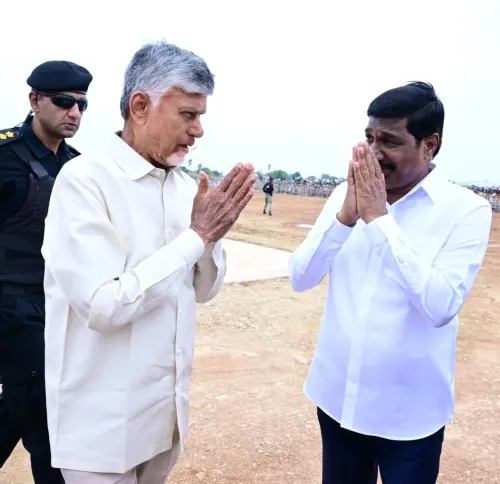
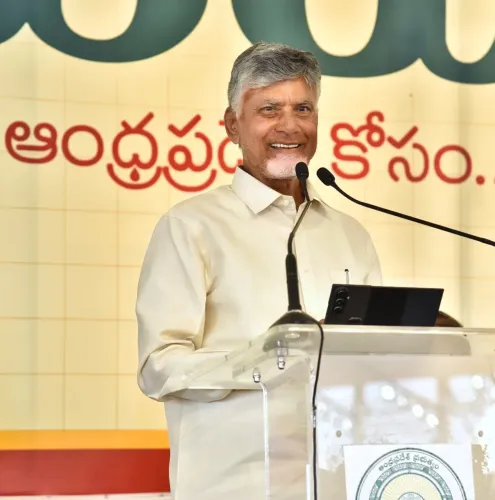
The Chief Minister's Office of Andhra Pradesh announced on Saturday, 25 July 2026 that Chief Minister Nara Chandrababu Naidu personally received petitions from citizens at the Sanjeevani Bahiranga Sabha public meeting held in Aspari, Kurnool district. Naidu heard grievances on the spot and issued immediate directives to officials for their resolution.
Context
The Sanjeevani Bahiranga Sabha at Aspari in Kurnool district served as the venue for a direct public engagement exercise, where residents of the Rayalaseema region brought their concerns before the Chief Minister. The CMO's post noted that Naidu 'received petitions from the people and, after listening to their problems, issued on-the-spot orders to officials for resolution.'
Kurnool is one of Andhra Pradesh's larger districts, historically associated with agricultural stress, drought management challenges, and rural development needs — making such direct outreach meetings particularly significant for local communities.
Policy Backdrop
Public grievance redressal programmes of this nature are a well-established feature of Chandrababu Naidu's administrative style. During his earlier tenures as Chief Minister — from 1995 to 2004 and again from 2014 to 2019 — Naidu regularly toured districts to receive petitions directly from citizens and issue on-the-spot instructions to the district machinery.
This approach is designed to compress the distance between state leadership and district-level administration, bypassing layers of bureaucracy to deliver faster acknowledgement and action on citizen complaints. The practice has been revived as part of broader efforts to maintain an active executive presence across Andhra Pradesh's districts following the 2024 elections.
Stakeholder Impact
For residents of Kurnool and the wider Rayalaseema region, direct access to the Chief Minister at a public forum offers a channel for grievances that may not have been resolved through routine administrative processes. Petitioners at such events typically raise issues ranging from land disputes and pension delays to infrastructure deficits and welfare scheme access.
Officials present at the Aspari meeting received immediate directives, placing accountability squarely at the district level with the expectation of prompt follow-through. This model also serves as a visible signal of responsive governance to a broader electorate.
What's Next
Attention will now turn to the resolution rates of petitions received at the Kurnool meeting and whether the state government announces follow-up district review sessions to track compliance with the Chief Minister's on-the-spot orders. The continuation of the Sanjeevani Bahiranga Sabha series across other districts of Andhra Pradesh will be a key indicator of how systematically the government intends to institutionalise this outreach model.
Point of View
Accessible executive leadership — a model that defined his earlier tenures and helped cultivate a reputation for administrative responsiveness. Holding such a session in Kurnool, a Rayalaseema district with historically distinct political sensibilities, carries strategic weight beyond routine administration. It reflects the post-2024 imperative for the TDP-led government to consolidate support in regions that have sometimes felt peripheral to Amaravati-centric policy priorities. The real test, however, lies not in the optics of receiving petitions but in the measurable follow-through on the on-the-spot orders issued to district officials.
NationPress
25 Oct 2026
Frequently Asked Questions
What is the Sanjeevani Bahiranga Sabha in Andhra Pradesh?
The Sanjeevani Bahiranga Sabha is a public grievance meeting format used by the Andhra Pradesh government where Chief Minister Chandrababu Naidu directly receives petitions from citizens and issues on-the-spot orders to officials for resolution.
Where was Chandrababu Naidu's public meeting held on 25 July 2026?
The meeting was held at Aspari in Kurnool district , located in the Rayalaseema region of Andhra Pradesh.
What happens at a Chandrababu Naidu public grievance programme?
At these programmes, citizens submit petitions directly to the Chief Minister, who listens to their problems and issues immediate directives to district officials present at the venue for prompt resolution.
Why is Kurnool district significant for Andhra Pradesh governance?
Kurnool is a major district in the Rayalaseema region, historically associated with agricultural stress, drought-related challenges, and rural development needs, making it a priority area for state government outreach.
Has Chandrababu Naidu held such public grievance meetings before?
Yes. During his earlier terms as Chief Minister from 1995 to 2004 and 2014 to 2019 , Naidu regularly conducted district-level public grievance redressal programmes, and the current initiative revives that established practice.