CM Naidu Meets UN-Habitat Chief in Singapore on Amaravati
Synopsis
Andhra Pradesh CM N. Chandrababu Naidu met UN-Habitat Executive Director Anacláudia Rossbach in Singapore on June 15, 2026, to explore making Amaravati a Net Zero, SDG-integrated global model city, including a proposed Centre of Excellence for Urban Affairs.
Key Takeaways
Chandrababu Naidu met UN-Habitat Executive Director Ms.
Anacláudia Rossbach in Singapore on June 15, 2026 .
Discussions focused on advancing Amaravati as a global model for sustainable, inclusive and future-ready urban development.
Both sides explored integrating the Sustainable Development Goals — especially SDG 11 and SDG 13 — into Amaravati's city planning framework.
A Centre of Excellence for Urban Affairs in Amaravati was proposed, with partnerships involving leading international universities.
Andhra Pradesh aims to position Amaravati as a Net Zero , knowledge-driven city powered by green energy and innovation.
A structured collaboration framework is being explored to make Amaravati a formal UN-Habitat global case study in urban transformation.
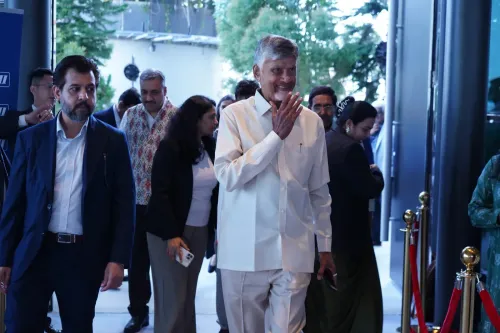
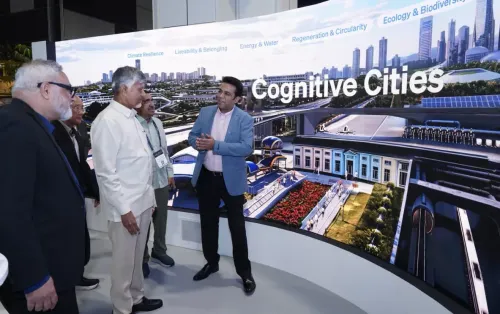
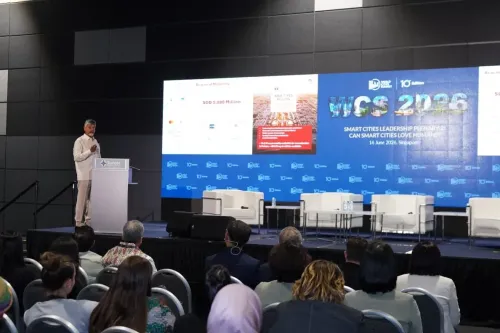
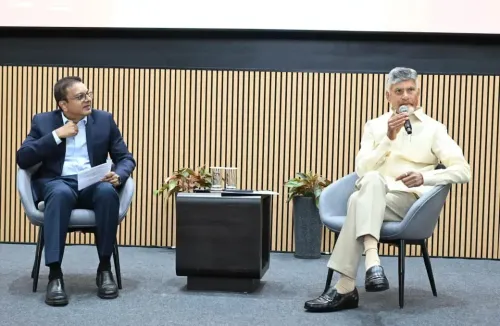
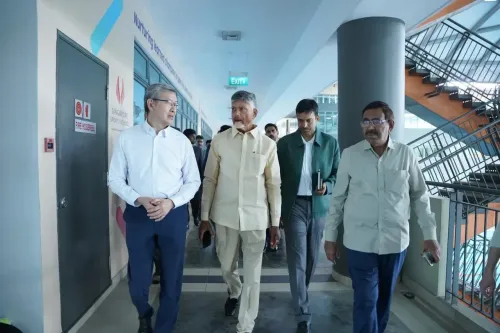
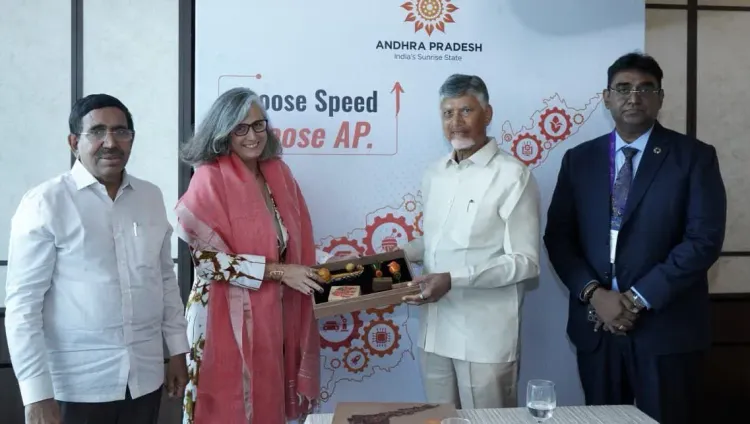
Andhra Pradesh Chief Minister N. Chandrababu Naidu met UN-Habitat Executive Director Ms. Anacláudia Rossbach in Singapore on Monday, June 15, 2026, to explore a structured collaboration on sustainable urban development, climate resilience and future-ready city planning for Andhra Pradesh.
Context
The meeting centred on advancing Amaravati — the greenfield capital city of Andhra Pradesh on the banks of the Krishna River — as a global model for sustainable and inclusive urban development. Chief Minister Naidu shared the state's vision of building Amaravati as a Net Zero, knowledge-driven city powered by green energy, innovation and sustainable growth, while ensuring a high quality of life and inclusive development for its residents.
Both sides discussed integrating the Sustainable Development Goals (SDGs) — particularly SDG 11 (Sustainable Cities and Communities) and SDG 13 (Climate Action) — into Amaravati's planning and development framework. The conversation also covered leveraging UN-Habitat's global expertise and professional networks to strengthen the city's design and governance architecture.
Policy Backdrop
Amaravati was first announced as Andhra Pradesh's new administrative capital in 2014-15, following the state's bifurcation, and a master plan was developed with technical assistance from Singapore. The city has since been at the centre of successive state governments' urban development ambitions, with the current administration under Chief Minister Naidu prioritising its revival and acceleration.
The engagement with UN-Habitat — the United Nations agency mandated to promote socially and environmentally sustainable human settlements — fits into a broader pattern of the Andhra Pradesh government seeking international technical partnerships to underpin Amaravati's development. India's national push to align state-level urban projects with global sustainability benchmarks has provided additional momentum for such collaborations.
Stakeholders and Impact
The proposed Centre of Excellence for Urban Affairs in Amaravati was a key agenda item at the Singapore meeting. If established, the centre would position Amaravati as a research and policy hub for sustainable urban transformation, drawing on partnerships with leading international universities and UN-Habitat's global network.
Urban planners, green energy firms and investors already committed to the #InvestInAP initiative stand to benefit from a formalised UN-Habitat framework that could attract multilateral technical assistance and international capital. The discussions also explored establishing a structured collaboration framework to position Amaravati as a global case study in sustainable urban transformation.
What's Next
Attention will now turn to whether the Singapore discussions translate into a formal agreement or memorandum of understanding between the Andhra Pradesh government and UN-Habitat. Progress on the proposed Centre of Excellence, alongside updates on construction milestones and land development in Amaravati, will be closely watched by investors, urban policy experts and state stakeholders.
Chief Minister Naidu's outreach in Singapore signals that Andhra Pradesh intends to anchor Amaravati's development within a globally recognised sustainability framework — a move that could shape the city's international credibility and attract further partnerships with multilateral institutions and foreign universities.
Point of View
The Andhra Pradesh government seeks to insulate the capital project from future political disruption by embedding it in multilateral commitments. The proposed Centre of Excellence, if realised, could shift Amaravati from a contested state capital to a recognised international urban laboratory. The meeting also reinforces Naidu's consistent preference for Singapore-linked and UN-linked partnerships, echoing the city's original master-plan lineage from 2014-15.
NationPress
20 Sept 2026
Frequently Asked Questions
What did CM Chandrababu Naidu discuss with UN-Habitat in Singapore?
CM Naidu met UN-Habitat Executive Director Ms. Anacláudia Rossbach in Singapore on June 15, 2026, to discuss making Amaravati a Net Zero, SDG-integrated global model city, including a proposed Centre of Excellence for Urban Affairs.
What is the Centre of Excellence for Urban Affairs in Amaravati?
It is a proposed institution to be established in Amaravati in partnership with UN-Habitat and leading international universities, aimed at making the city a global research and policy hub for sustainable urban transformation.
What is Amaravati and why is it significant?
Amaravati is the planned greenfield administrative capital of Andhra Pradesh, located on the banks of the Krishna River. It was conceived in 2014-15 as a model sustainable city and remains central to the state's urban development ambitions under CM Naidu.
What are the SDGs and how do they relate to Amaravati?
The Sustainable Development Goals are a UN global framework adopted in 2015. The Andhra Pradesh government is exploring integrating SDG 11 (Sustainable Cities) and SDG 13 (Climate Action) into Amaravati's planning to align it with international sustainability benchmarks.
What is UN-Habitat's role in Andhra Pradesh's urban plans?
UN-Habitat is the United Nations agency for human settlements. Andhra Pradesh is seeking to leverage its global expertise, professional networks and credibility to support Amaravati's development as a sustainable, future-ready city.