NCP-SP's Naseem Siddiqui backs Maulana Rashidi's remark linking rape to late marriages
Synopsis
An NCP-SP leader's public endorsement of a cleric's claim that delayed marriages cause rape has set off a political storm — with the UP Women's Commission calling it a 'narrow mindset' and critics warning it normalises victim-blaming at the highest levels of public discourse.
Key Takeaways
NCP-SP leader Naseem Siddiqui on 11 July defended remarks by Maulana Sajid Rashidi linking rape to late marriages.
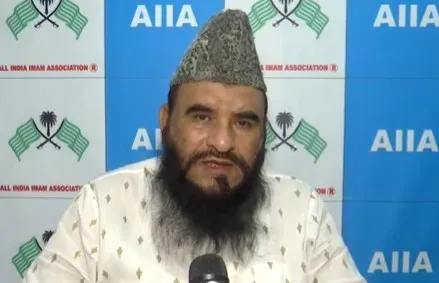
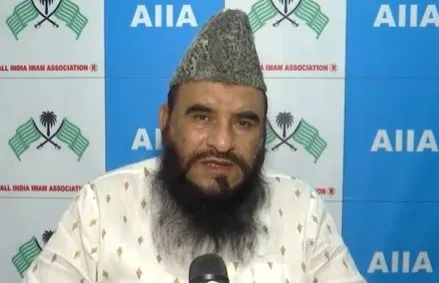
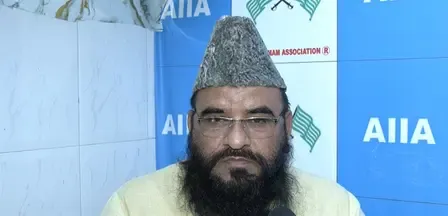
Rashidi, President of the All India Imam Association , had said on 10 July : 'Rapes are occurring because marriages are being delayed.' Siddiqui claimed 'at least 50 per cent of rape cases occur because women are not married early.' He argued girls should be married 'at the earliest' after turning 18 , the age of legal adulthood.
UP Women's Commission Chairperson Babita Chauhan condemned the remarks, calling them evidence of a 'narrow mindset.' NCP-SP had not issued an official party-level response as of Saturday.
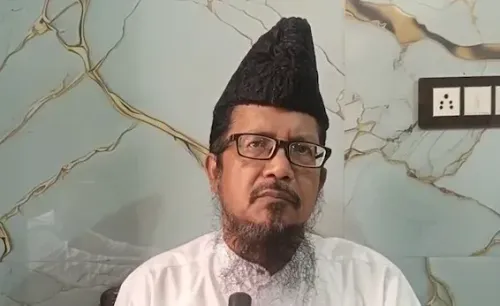
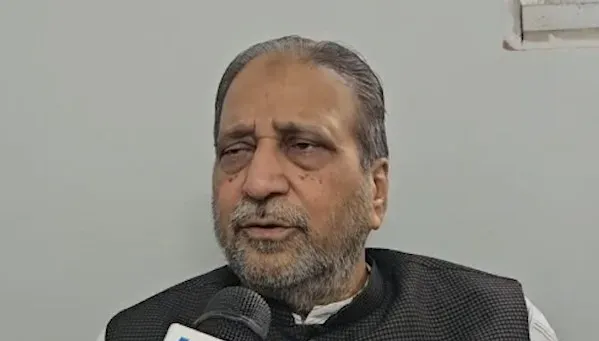
NCP-SP leader Naseem Siddiqui on Saturday, 11 July publicly defended a controversial statement by All India Imam Association President Maulana Sajid Rashidi, who had linked rising sexual assault cases to women marrying late. Siddiqui endorsed the remarks, claiming that 'at least 50 per cent of rape cases occur because women are not married early and then get trapped in some love triangle.'
What Maulana Rashidi Said
The controversy began on Friday, 10 July, when Maulana Rashidi made the remarks during a public interaction. 'Rapes are occurring because marriages are being delayed. If you want to ensure your daughters' safety, get them married early,' Rashidi had said. The statement drew immediate and widespread criticism across political and civil society circles.
Siddiqui's Defence of the Remark
Speaking to reporters, Naseem Siddiqui said the Maulana's position was 'absolutely correct.' He argued that sexual needs are a natural human requirement, and drew a parallel between men and women, contending that men face no social stigma for pre-marital relations while women do. He claimed that delayed marriages expose young women to 'all kinds of information on mobile phones' and may lead to 'wrongdoings.'
Siddiqui also argued that since women are eligible to vote at 18 years and men at 21 years, there should be 'no barriers to marriage' beyond those ages. 'As soon as a girl becomes an adult, she should be married at the earliest,' he said. He urged that the Maulana's statement 'should be taken in a positive way' and cautioned against giving it 'a different angle.'
Political and Official Backlash
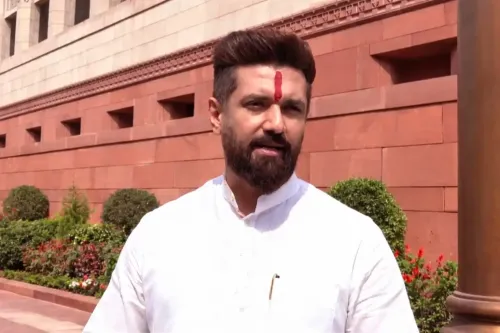
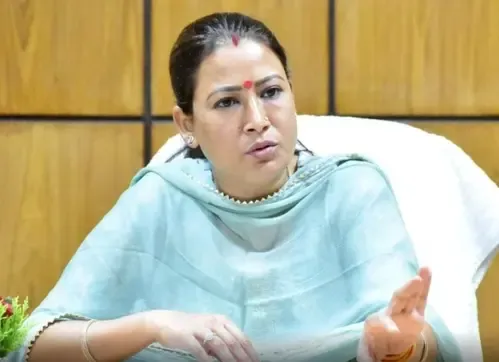
Uttar Pradesh State Women's Commission Chairperson Babita Chauhan sharply criticised Maulana Rashidi on Saturday, accusing him of possessing a 'narrow mindset.' She said India's women have made the country proud across various fields, including at the global level. 'If we are still lagging behind, it is because of people having this kind of mentality,' Chauhan said, invoking Prime Minister Narendra Modi's stated commitment to women's empowerment and gender parity.
Context and Wider Implications
The remarks by both Rashidi and Siddiqui have reignited debate over victim-blaming narratives in public discourse on sexual violence in India. Critics argue that framing rape as a consequence of delayed marriage deflects accountability from perpetrators and reinforces regressive gender norms. This comes amid ongoing national conversations about women's safety, legal protections, and the minimum age of marriage — the latter having been a subject of proposed legislative reform in recent years. The NCP-SP, a faction of the Nationalist Congress Party led by Sharad Pawar, has not issued an official party-level response to Siddiqui's remarks as of Saturday.
Point of View
Shifting culpability from the perpetrator to the victim's marital status. That this came from within a coalition partner of the Maharashtra government raises accountability questions that the party leadership has so far chosen to sidestep. India's public discourse on rape has repeatedly been derailed by victim-blaming statements from figures in positions of authority — and each unchallenged instance raises the threshold for what is considered acceptable.
NationPress
10 Oct 2026
Frequently Asked Questions
What did Maulana Sajid Rashidi say about rape and marriage?
Maulana Sajid Rashidi, President of the All India Imam Association, said during a public interaction on 10 July that 'rapes are occurring because marriages are being delayed,' urging parents to get their daughters married early for their safety. The remarks triggered immediate controversy across political and civil society circles.
Why did Naseem Siddiqui defend the Maulana's remarks?
NCP-SP leader Naseem Siddiqui said the Maulana's statement was 'absolutely correct,' arguing that delayed marriages expose women to harmful influences and that sexual needs are a natural human requirement. He claimed at least 50 per cent of rape cases are linked to late marriages, though he provided no data to support this figure.
Who criticised the remarks and on what grounds?
Uttar Pradesh State Women's Commission Chairperson Babita Chauhan condemned both Rashidi's statement and the broader mindset it represents, calling it 'narrow.' She argued that Indian women have excelled globally and that such attitudes are the primary reason gender parity remains elusive.
What is the NCP-SP's official position on Siddiqui's comments?
As of Saturday, 11 July, the NCP-SP — the Sharad Pawar-led faction of the Nationalist Congress Party — had not issued an official party-level response to Siddiqui's remarks or distanced itself from his position.
Why do critics say these remarks are harmful?
Critics argue that linking rape to a woman's marital status is a form of victim-blaming that deflects responsibility from perpetrators and reinforces regressive gender norms. Such narratives, they say, undermine legal and social frameworks built to protect survivors and hold offenders accountable.