NCST issues notice to J&K govt over Gujjar child's sexual assault and murder in Kishtwar
Synopsis
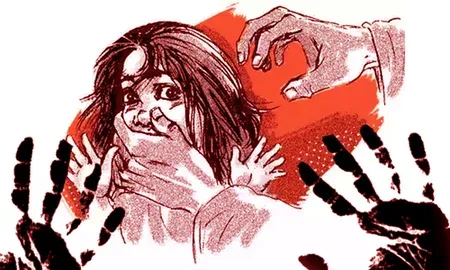
India's top tribal rights body has launched a constitutional inquiry into the alleged sexual assault and murder of a Gujjar Scheduled Tribe minor in Kishtwar, J&K — and has given the administration just five days to respond. The case has a second, equally serious dimension: the SC/ST (Prevention of Atrocities) Act has reportedly not been invoked despite the victim's tribal identity.
Key Takeaways
The National Commission for Scheduled Tribes (NCST) issued notices on 25 August 2026 to the J&K Chief Secretary , DGP , and SSP Kishtwar .
The Commission is investigating the alleged sexual assault and murder of a minor Gujjar Scheduled Tribe girl in Chatroo, Kishtwar district .
The inquiry is being conducted under Article 338A of the Constitution; officials must respond within five days or risk being summoned.
The complaint, filed by the Tribal Gujjar Bakarwal Welfare Foundation , names accused Khalid Hussain and Tariq Hussain in FIR No.
A key allegation is the non-invocation of the SC/ST (Prevention of Atrocities) Act, 1989 , despite the victim's tribal status.
The Foundation is seeking witness protection, evidence preservation, and compensation for the victim's family.
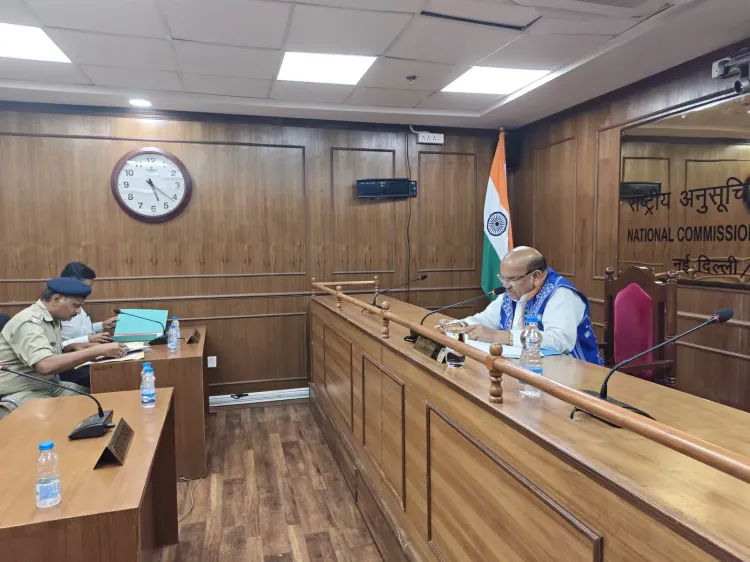
The National Commission for Scheduled Tribes (NCST) on Tuesday, 25 August 2026, issued formal notices to the Jammu & Kashmir Chief Secretary, the Director General of Police, and the Senior Superintendent of Police, Kishtwar, announcing a constitutional inquiry into the alleged sexual assault and murder of a minor Gujjar Scheduled Tribe girl in the Chatroo area of Kishtwar district. The Commission has invoked its powers under Article 338A of the Constitution to investigate the case.
Notice Details and Deadline
The notice, dated 25 August 2026 and filed under File No. NCST/ATY‑4600/JK/3/2026‑RU‑IV, was transmitted by email to all three officials. The three authorities have been directed to submit facts, information, and details of action taken within five days. The NCST warned that failure to respond could result in officials being summoned for personal appearance, with the Commission exercising civil court powers under Article 338A.
What the Complaint Alleges
The complaint was filed by the Tribal Gujjar Bakarwal Welfare Foundation (TGBWF) through Member Trustee Kabir Ahmed, and pertains to FIR No. 34/2026 registered at Police Station Chatroo against accused Khalid Hussain and Tariq Hussain. According to the complaint, the minor was subjected to repeated sexual assault, became pregnant, and died following an alleged attempt to terminate the pregnancy.
The complaint further raises allegations of threats, monetary inducement, attempts to suppress the matter, possible non-reporting by persons with prior knowledge, and the role of individuals who may have facilitated or concealed the offence.
SC/ST Act Non-Invocation at Centre of Dispute
A central grievance in the complaint is that the provisions of the Scheduled Castes and Scheduled Tribes (Prevention of Atrocities) Act, 1989, have reportedly not been invoked, despite the victim allegedly belonging to the Gujjar Scheduled Tribe. The TGBWF has sought verification of the victim's tribal status and the accused's social status, examination of the Act's applicability, protection of the family and witnesses, preservation of digital and medical evidence, and payment of compensation and rehabilitation benefits.
Foundation's Response
The TGBWF welcomed the Commission's intervention, calling it 'an important step towards accountability and justice for the deceased child and her family.' The Foundation stated: 'The prompt action taken by the National Commission for Scheduled Tribes has strengthened the family's hope that the case will receive the attention and accountability it deserves.'
The Foundation clarified that its objective is not to interfere with the investigation, stating: 'Our sole concern is that no statutory safeguard should remain unenforced, no responsible person should escape scrutiny, and justice should be delivered to the child and her family.'
What Happens Next
The TGBWF has called for a factual, time-bound response from the J&K administration and police, and expressed hope that authorities would cooperate, protect the family, and preserve evidence to ensure a fair investigation. With the NCST's five-day deadline now in effect, the J&K government's response will determine whether officials face a formal summons before the Commission.
Point of View
Which carries stronger protections and mandatory timelines. If the Act was indeed not applied despite the victim's tribal identity, it points to a systemic gap in how J&K police handle cases involving minority communities. The five-day deadline is constitutionally backed, but enforcement has historically depended on political will. The J&K administration's response — or non-response — will be the real test of whether this inquiry produces accountability or becomes another procedural footnote.
NationPress
10 Oct 2026
Frequently Asked Questions
What is the NCST notice to the J&K government about?
The National Commission for Scheduled Tribes issued notices to the J&K Chief Secretary, DGP, and SSP Kishtwar on 25 August 2026, to investigate the alleged sexual assault and murder of a Gujjar Scheduled Tribe minor in the Chatroo area of Kishtwar district. The inquiry has been initiated under Article 338A of the Constitution.
Who filed the complaint with the NCST?
The complaint was filed by the Tribal Gujjar Bakarwal Welfare Foundation (TGBWF) through its Member Trustee Kabir Ahmed. It pertains to FIR No. 34/2026 registered at Police Station Chatroo against accused Khalid Hussain and Tariq Hussain.
Why is the SC/ST (Prevention of Atrocities) Act central to this case?
Despite the victim reportedly belonging to the Gujjar Scheduled Tribe, the SC/ST (Prevention of Atrocities) Act, 1989, has allegedly not been invoked by police. The TGBWF has asked the NCST to verify the victim's tribal status and examine whether the Act's provisions should apply, as non-invocation would deprive the family of stronger legal protections and mandatory timelines.
What happens if J&K officials do not respond within five days?
The NCST has warned that if the Chief Secretary, DGP, and SSP Kishtwar fail to submit their replies within five days, it may exercise civil court powers under Article 338A of the Constitution and summon the officials for personal appearance before the Commission.
What relief has the Foundation sought for the victim's family?
The Tribal Gujjar Bakarwal Welfare Foundation has sought protection for the victim's family and witnesses, preservation of digital and medical evidence, and payment of compensation, relief, and rehabilitation benefits under applicable statutory provisions.